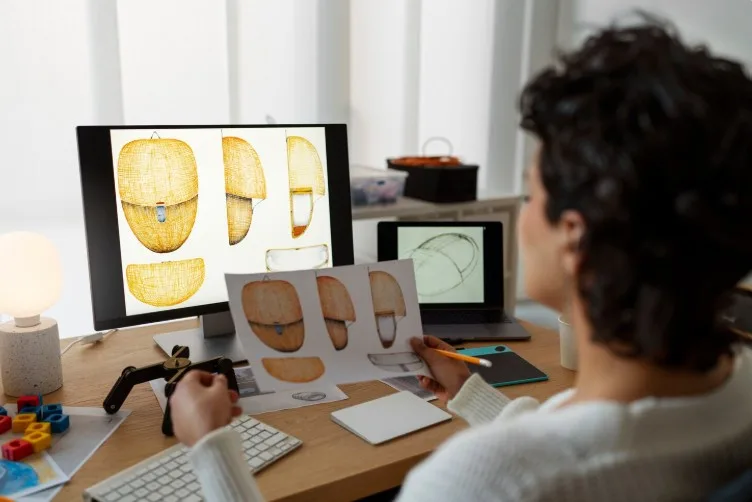


Professional 3D modeling has emerged as an integral aspect of engineering and design in today’s world. This helps professionals create realistic digital models that enable them to visualize products, validate designs, document their engineering work, and prepare products for manufacturing. The more industries move towards digital engineering, the more organizations need to have professional 3D modeling skills to increase accuracy and efficiency in product development. It is also common for many novice designers to wonder how to be a professional 3D modeler.
Understanding Professional 3D Modeling
Professional 3D modeling is the process of creating digital models that are accurate using computer-aided design software. Professional modeling differs from modeling in the sense that it involves engineering accuracy and the manufacturing preparedness of the designs at all stages of the production process.
Building Technical Skills
It is important to build strong technical skills if one wishes to succeed as a professional 3D modeler. Engineers must possess knowledge of parametric modeling, geometric constraints, assembly creation, and engineering documentation to create reliable digital products. For those individuals who may ask themselves how they should become a professional 3D modeler, learning these basic skills will help them grow their engineering design career.

Product Modeling
Professional product modeling involves the creation of detailed digital models out of engineering ideas for evaluation before the process of manufacturing starts. The engineers evaluate the dimensions, geometries, and functional relationships of the products as they improve their performance. Design HOK provides an expert guide on CAD.
Accuracy of Design
Engineers need very precise results in their work; therefore, design accuracy is one of the key aspects of professional 3D modeling, which will ensure better manufacturing quality and lower engineering mistakes. The accuracy of sizes and relations in a design guarantees reliable documentation and performance of the engineering project.
Development of Assembly Modeling
Assembly modeling represents the process of combining separate elements of a mechanical system in order to check its engineering properties. Professionally developed assemblies lead to the improvement of the quality of the products and reduce the number of manufacturing problems due to design issues at the stage of digital development.
Engineering Documentation
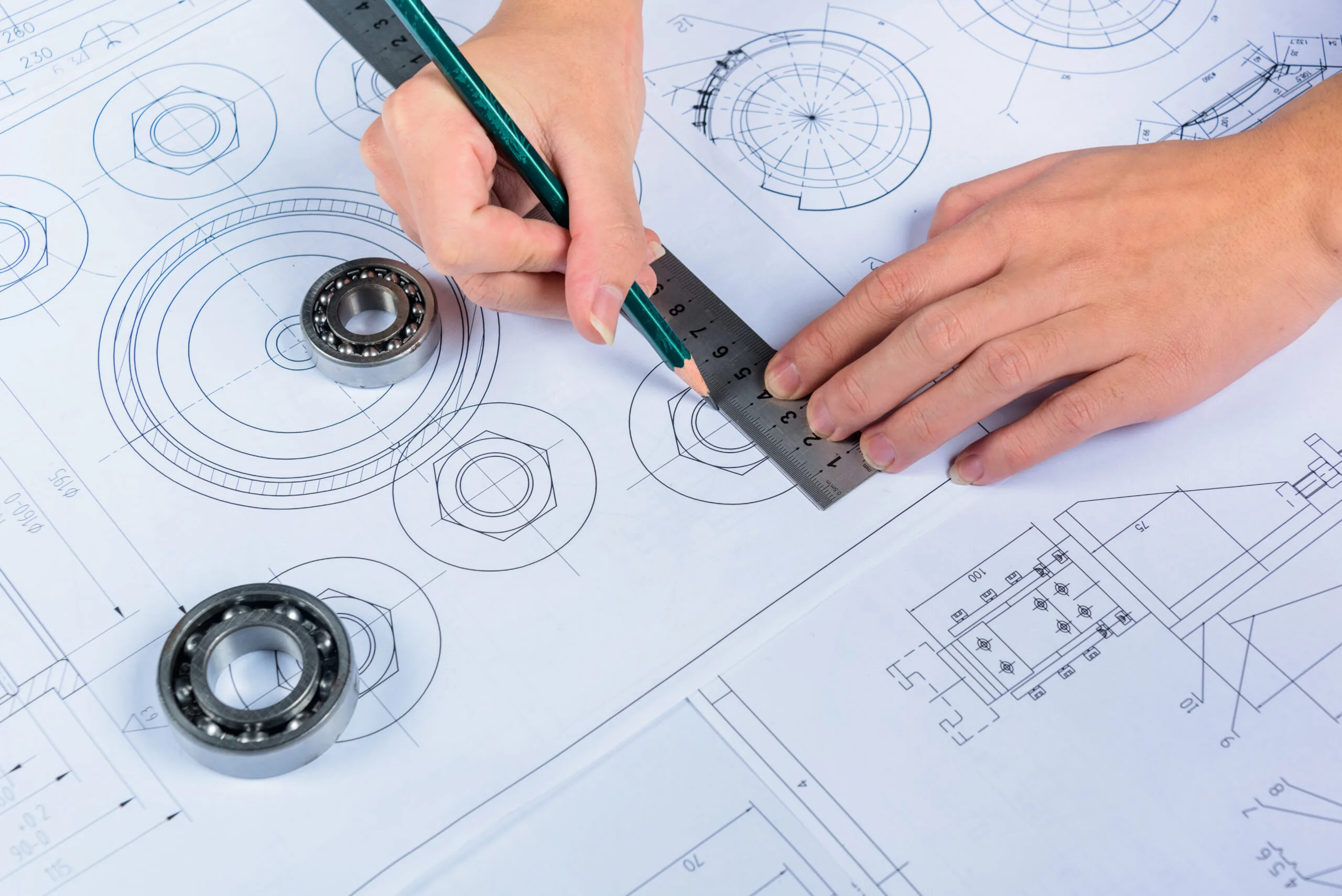
The process of creating engineering documentation is conducted on the basis of digital models, which will help engineers to create drawings, dimensions, notes, and data about assemblies. Professional documentation will ensure good communication between engineering, manufacturing, and quality control teams and proper manufacturing planning.
Product Development
Professional 3D modeling plays a central role in product development by allowing engineers to design, evaluate, and improve products before manufacturing begins. Digital models facilitate comparison between design options, optimization of the design, and engineering change implementation. Experts who know how to become professional 3D modelers know that there are three key elements of successful product creation: technical accuracy, workflow organization, and design optimization.
Manufacturing Preparation
Manufacturing preparation needs reliable engineering information, and professional 3D modeling helps to prepare production-ready digital models for manufacturing and assembly. Engineers will be able to verify the measurements, material requirements, and part assembly even before the actual manufacturing process begins. Technical modeling aids in reducing manufacturing errors, simplifying the manufacturing process, and increasing coordination between engineers and manufacturers.
Efficiency of Engineering Workflows
Efficient engineering workflows help to accomplish projects faster and to maintain high-quality design solutions. A professional modeling approach helps to reduce repetitive actions, makes design changes easier, and facilitates communication in the project. Learning how to become a professional 3D modeler and understanding the importance of workflow organization are two of the steps.
Industrial Applications
Professional 3D modeling is extensively applied in mechanical engineering, the development of industrial equipment, manufacturing, automotive engineering, the development of machinery, and product development. Engineers depend on digital modeling in order to develop quality products within professional engineering standards. This wide use of the technique indicates the significance of advanced modeling in developing reliable engineering solutions and modern product development.
Continuous Skill Development
As technology advances, it becomes imperative that professionals learn continuously in order to keep abreast of developments in 3D modeling and CAD technologies. Engineers constantly acquire new skills in CAD technologies, modeling, engineering standards, and other aspects of digital workflow.
Conclusion
3D professional modeling has become one of the core aspects of engineering design and preparation for product manufacturing. The tool allows engineering specialists to develop models, facilitate collaboration and validation, and provide accurate engineering documentation. In order to learn how to be a professional 3D modeler, it is important to acquire the needed set of skills and adhere to professional engineering practices, as well as to update knowledge on digital design technologies.
FAQs
1. What is professional 3D modeling?
Professional 3D modeling implies the creation of precise digital models in order to prepare for engineering and further product development.
2. Why is 3D modeling important?
It helps to be more precise in the design, to avoid mistakes, and to speed up the whole process of creating new products. Digital models also facilitate engineering collaboration.
3. How to become a 3D modeler?
One needs to learn CAD software, practice modeling constantly, and have engineering knowledge. Real-life project experience adds to the professional one.
4. What skills are required?
Good knowledge of CAD, parametric modeling, the ability to design assemblies, and problem-solving are required. Experience in engineering documentation is also useful.
5. Why is precision so important?
It allows avoiding mistakes in the process of manufacturing and improves the quality of the product. Accuracy provides precise engineering documentation.
6. How does modeling help products?
The engineers will be able to make calculations and design optimization before the beginning of the manufacturing process of the product.
7. Which industries does it apply to?
The professional 3D modeling process can be applied in mechanical engineering, manufacturing, automotive, industrial machinery, and product design.