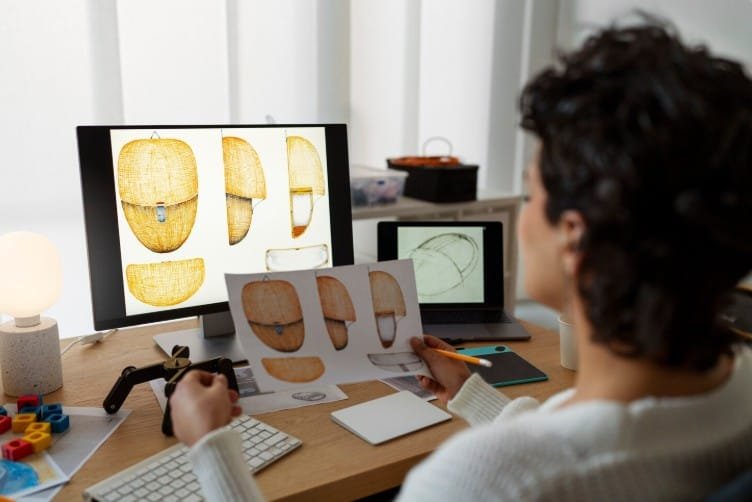


A 3D design project is a very important aspect in the current world of engineering since this process helps to create proper digital models even before starting production processes. Digital design systems will be useful for firms when it comes to increasing the quality of products, lowering the cost of product development, and enhancing the engineering process. The organization will need to use a 3D design project from the conception stage through manufacturing preparation to ensure all aspects of the engineering process have been optimized.
Understanding a 3D Design Project
Digital design for 3D projects is about designing digital models that represent real engineering objects or products. They comprise geometries, dimensions, materials, and functional relationships applied to engineering applications and manufacturing preparations. Unlike traditional design processes, digital modeling allows engineers to modify the product and maintain consistency in the design.

Product Design Planning
Efficient engineering designs always start with proper planning. Engineers determine the objectives, technical specifications, and design specifications before creating the digital model. Proper planning improves the process of organization and helps the engineering team to complete all 3D design projects effectively. Design HOK provides 3d design project guide for professionals.
Digital Product Modeling
Digital modeling transforms engineering concepts into a perfect 3D model that can be viewed before production. Engineers analyze the geometry, dimensions, and structural relationship of the product through optimizing its function. One of the main advantages of 3D design is the ability to make necessary improvements before manufacture.
Design Validation
Design validation is meant to ensure that the product meets engineering and manufacturing requirements before its physical manufacture. Engineers analyze digital models to validate dimensions, assemblies, and product integrity. Validating the product at early stages decreases engineering risks while increasing the quality of the product in all 3D design projects.
Engineering Documentation
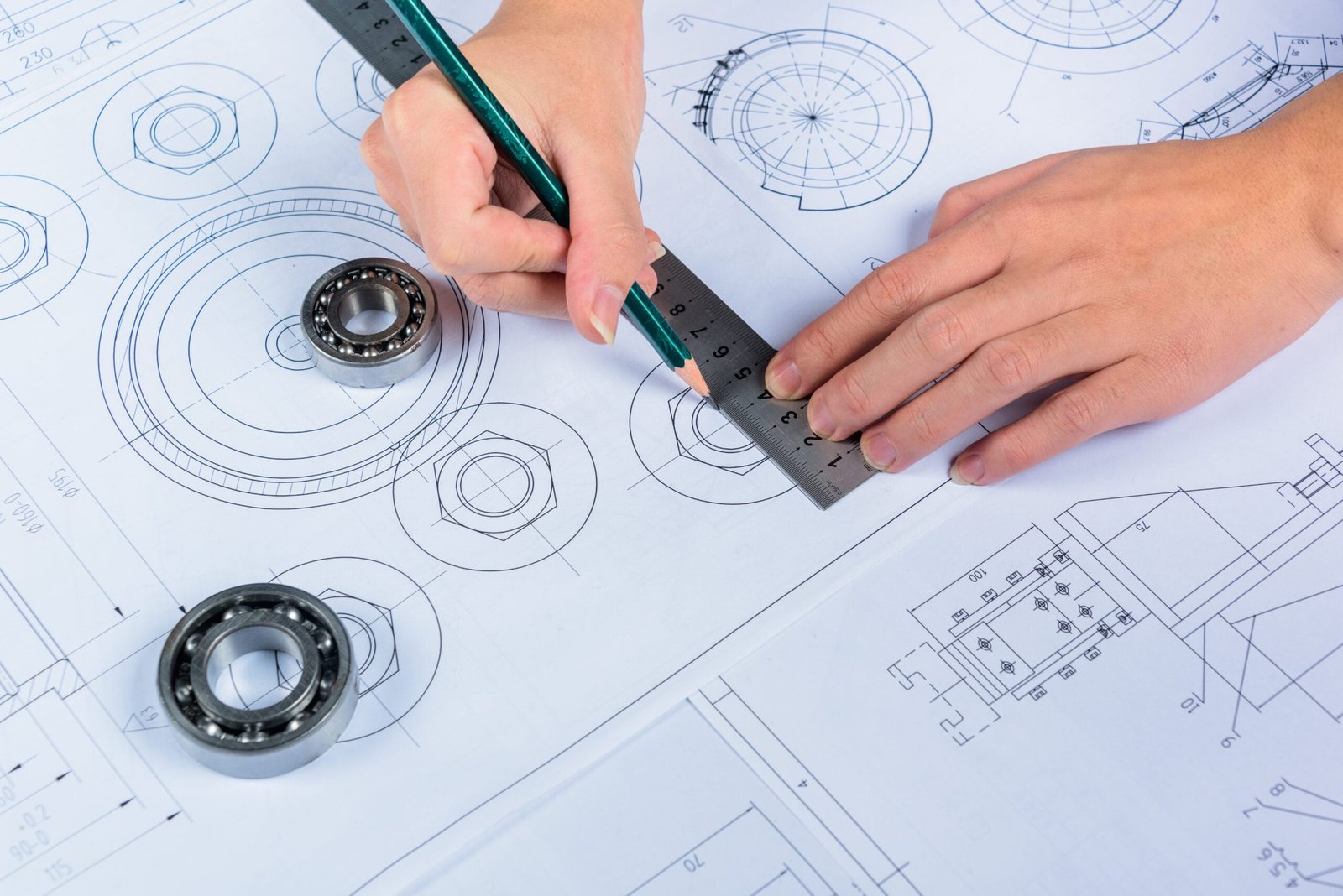
The documentation for engineering is prepared from digital models, helping teams prepare their production drawings along with the required dimensions, tolerances, and technical details. It is essential to have precision documentation in order to facilitate good communication among the engineering, manufacturing, and quality control departments.
Assembly Design
Through assembly modeling, engineers can incorporate multiple components into the assembly process, thereby ensuring that the system is aligned properly and the interaction between the parts is ensured. Effective management of a 3D design process will improve the accuracy of the assembly process and help avoid any interference issues.
Product Development
An effective 3D design project will help engineers in all phases of product development by enabling them to test concepts, improve designs, and optimize product performance before manufacturing. A digital model is an effective basis for engineering decisions without relying on physical prototypes. One of the advantages of 3D design is the capacity to speed up the development process without compromising the quality of engineering.
Manufacturing Preparation
The preparation for manufacturing needs the accurate engineering data, which is provided by the 3D design, as there will be available ready-to-go models that will have all the necessary documentation for manufacturing. Engineers will know the size of the components, their assembly, and whether the manufacturing process corresponds to the specification. This ensures proper manufacturing of products and better communication between engineers and manufacturers.
Workflow Integration
Modern engineering projects presuppose interconnected workflows. A workflow in a 3D design project includes design, documentation, and manufacturing that become integrated into one process. Engineering data remains consistent at any stage of the project. One of the main advantages of 3D designing is collaboration. The engineering team will be able to handle design changes easily and keep data integrity.
Design Efficiency
Engineering productivity depends on efficient design processes. Effective structuring of a 3D design project makes the process of revision easier, eliminates the need for repetitive work, and enables engineers to concentrate on product improvement instead of design changes. Digital engineering solutions optimize project management, accelerate development, and improve engineering results for any project.

Industry Applications
A 3D design project is applicable in various industries, including mechanical engineering, development of industrial equipment, manufacturing, design of machinery, automotive engineering, and design of consumer products. Digital engineering provides companies with an opportunity to produce correct products while keeping professional engineering standards. The increased popularity of design technologies shows the long-term value of 3D design, which lies in high efficiency, productivity, and quality, as well as better preparation for manufacturing.
Future of 3D Design
Development of digital engineering technology is driven by such trends as artificial intelligence, cloud engineering, digital twins, and increased automation. All these tools are going to make all 3D design projects smarter and more effective. Further innovations in 3D design are going to provide additional benefits, including increased engineering precision, accelerated product development, and enhanced collaboration between teams.
Conclusion
A 3D design assignment is very important in contemporary engineering because it enables the creation of accurate product models, design validation, manufacturing preparation, and technical documentation. It allows companies to create high-quality products and streamline their processes. The growing number of advantages offered by 3D design makes digital product development an indispensable element of the contemporary engineering industry. The use of professional design approaches allows companies to save money and time.
FAQs
1. What is a 3D design project?
3D design can be understood as the method of precisely designing the required drawings for the product for engineering use and to use in the industry with professional software.
2. What makes a 3D design project important?
It increases the precision of designs, allows engineering collaboration, and guarantees that any possible issues are solved before the start of the manufacturing process.
3. What are the advantages of 3D design?
The advantages of 3D design entail better visualization, faster development of products, increased design accuracy, and others.
4. What are the benefits of 3D design in developing the product?
Designers have an opportunity to assess and adjust digital designs before the manufacturing process.
5. What are the benefits of 3D design in manufacturing?
The 3D design provides a ready-to-manufacture model and technical documentation to facilitate the fabrication, assembly, and manufacturing processes.
6. Could 3D design decrease development expenses?
Yes, the digital design could minimize mistakes in designing and the need to manufacture several prototypes.
7. In which industries are 3D design projects applied?
The mechanical engineering, manufacturing, industrial equipment, automotive, and product development industries apply digital design projects.
8. How is 3D design better for collaboration?
Collaboration becomes much easier through digital models that enable engineers, manufacturing, and quality control teams to have a constant set of product data.