

Introduction
In this 3d modeling steps for product development, engineering, and manufacturing, 3D modeling is very important. To provide more realistic digital models, enhance product visualization, engineering accuracy, and manufacturing efficiency, CAD technology is advancing. If you’re designing industrial machinery, mechanical parts, or consumer products, taking the right steps in 3D modeling will ensure accuracy, functionality, and manufacturability. According to international standards 3d modeling steps make your project eligible, so when people see your product, they can understand the specification and product type.
The professional 3D modeling workflows enable engineers and designers to take ideas and create digital models that can be sent to production. The process means better product quality, shorter development cycles, and fewer manufacturing risks at each step. Well-structured 3D modeling techniques help industries to speed up the product development operations from the idea generation stage to the end rendering and prototyping stages. At Design HOK, we provide a complete guide of 3d modeling steps.
The 3D Modeling Process
This involves 3D modeling and the creation of a digital 3D model of a product or its component in CAD software. These models provide specific dimensions, structural details, assembly specifications, and design features to be used for engineering analysis and manufacturing preparation. 3D modeling provides the full design from all perspectives. This involves 3D modeling and the creation of a digital 3D model of a product or its component in CAD software. These models provide specific dimensions, structural details, assembly specifications, and design features to be used for engineering analysis and manufacturing preparation. 3D modeling provides the full design from all perspectives.
Step 1: Concept Creation
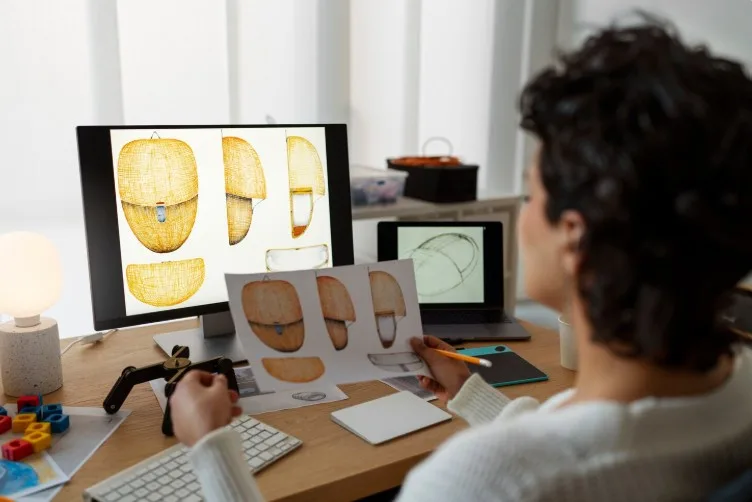
Concept creation is the first step of 3D modeling. Sketching and design ideas are done to form the structure and look of the product. This stage helps engineering teams to better understand the objectives of the project and to decide on the best approach to the design before the digital modeling process starts. Concept planning appropriate to the task increases workflow efficiency and reduces design confusion. It also allows manufacturers and clients to visualize the expectations of the product early in the development process.
Step 2: Generating the Base Geometry
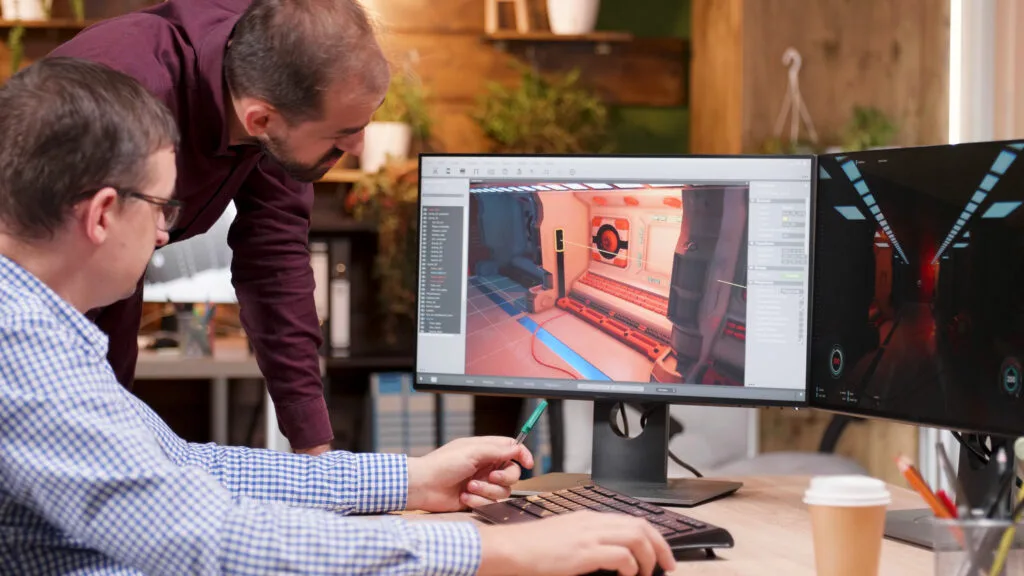
Once concept planning is done, designers start working with CAD software to develop the base geometry of the product. In this phase, the principal shapes, curves, sizes, and structural outlines of the model are developed. The whole design is based on simple geometry. In this stage of development, correct scale and accurate dimensions are important because they directly influence the performance of the product and its manufacturability.
Step 3: Detailed Modeling
Detailed modeling is adding functionality and visual features to refine the product structure. This stage improves the functionality of the product. It makes sure that the final design is consistent with the engineering and manufacturing requirements. 3D Modeling Steps boost your progress for time-to-time project delivery. 3d modeling steps implemented on all standards.
Step 4: Modeling assembly
Most products are composed of several interrelated parts. So the assembly modeling is a critical step in the workflow. During this phase, the individual parts are integrated into a complete product assembly. Assembly modeling provides engineers with the ability to evaluate the alignment of components. It also ensures operational functionality before manufacturing. The process helps to detect interference problems. It improves assembly performance and reduces manufacturing errors. In CAD 3D Modeling Steps are mandatory to follow international standards.
Step 5: Results and simulation
Simulation and analysis are part of the professional 3D modeling workflow. The functionality of the product can be tested digitally using modern CAD tools. Production risks of businesses can be reduced through early simulation and analysis. It improves the reliability of their products. It avoids costly design changes later in the process.
Step 6: Prototype design and evaluation
In this step, prototype development is carried out. Designers can create physical prototypes using CAD files. Engineers are allowed to test product functionality effectively. It also enhances dimensional accuracy and overall product performance under practical conditions.
Step 7: Manufacturing data and preparation of the document
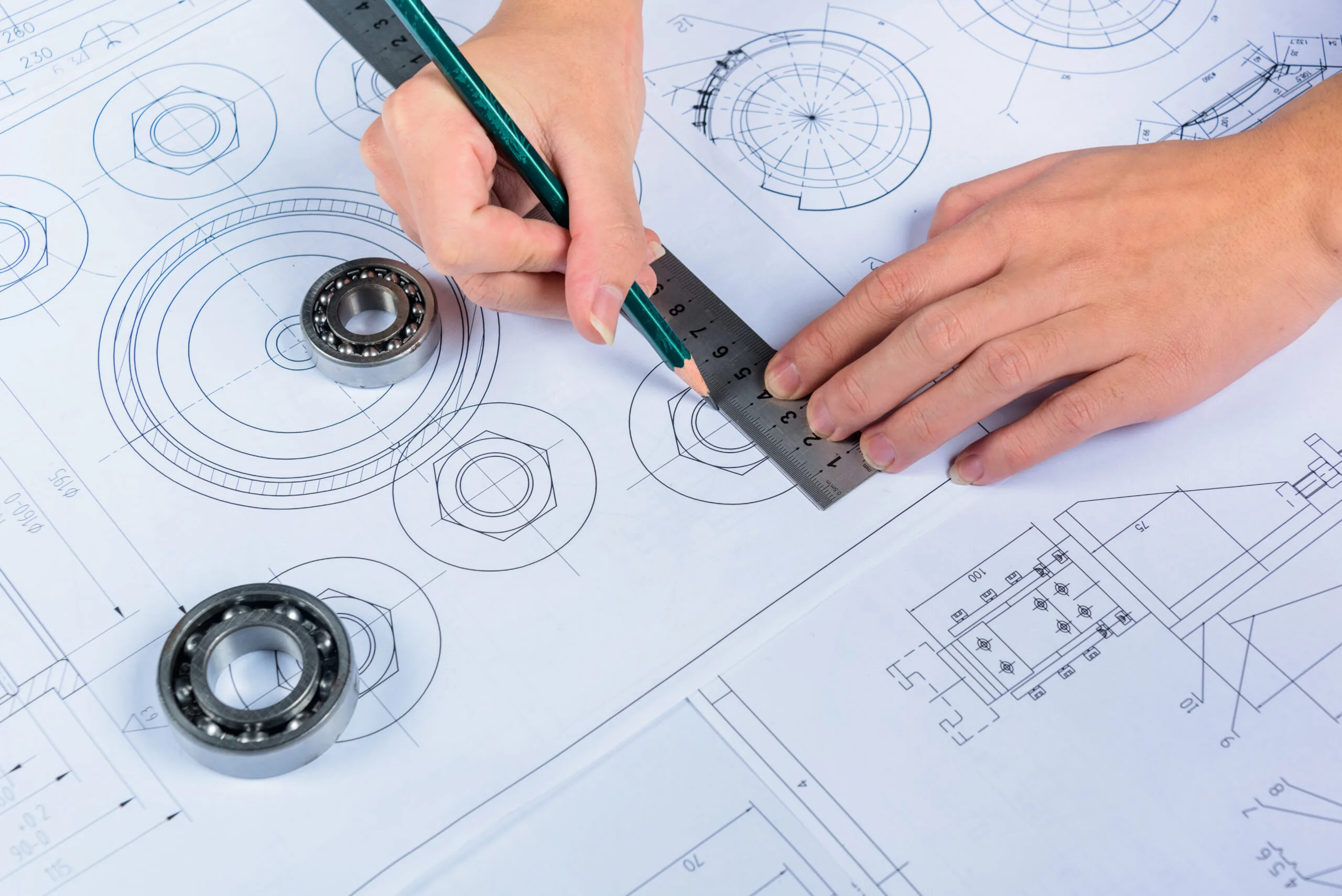
The last step of 3D modeling is creating files and documents for manufacturing. Engineers prepare engineering drawings, assembly instructions, tolerance standards, and production documentation. They also prepare all the documents needed for production.

Future
Industries highly rely on digital engineering solutions to increase productivity and be competitive in fast-changing markets. The continuous development of manufacturing technologies will make the professional 3D modeling process indispensable for product innovation, engineering development, and industrial growth.
Conclusion
3D modeling has become an integral part of modern product design, engineering, and manufacturing industries. The professional 3D modeling steps help businesses to increase the product accuracy, reduce production risks, and accelerate the development processes. The development of efficient and high-quality digital models depends on the importance of every stage, from the generation of ideas to the production of ready-to-use documentation. With the industrial applications of advanced CAD technologies increasing, so is the need for precise and production-ready 3D models. Professional 3D modeling workflows enable better collaboration. Companies that develop structured 3D modeling procedures can enjoy improved product performance. It ensures greater efficiency, enhances its performance, and promotes sustainable industrial development.
FAQ
1. Which processes are included in 3D modeling?
3D modeling involves several important steps, including concept development, CAD modeling, rendering, simulation, and prototyping. These processes help create digital product models used in engineering and manufacturing. 3D modeling steps do not just help, it makes your performance better.
2. How important is concept development in 3D modeling?
Concept development helps define the product’s dimensions, functionality, and design requirements. It gives the project a clear direction, reduces confusion during the design stage, and helps avoid costly changes later. For better assistance 3d modeling steps make it easy to develop any product.
3. What software is commonly used for 3D modeling?
Many professionals use software such as SolidWorks, AutoCAD, Fusion 360, CATIA, and Creo for 3D modeling. These tools help engineers design accurate product models for manufacturing and testing. 3d modeling steps make your work easy on any software for CAD modeling.
4. What is 3D assembly modeling?
3D assembly modeling combines multiple components to create a complete digital product structure. It allows engineers to check fitting, alignment, and movement before manufacturing begins, which helps reduce assembly mistakes. In CAD, you have to understand the project details, and with 3d modeling steps, your work is done easily.
5. Why is rendering important in 3D modeling?
Rendering creates realistic product visuals by adding textures, materials, and lighting effects. It improves product presentation, supports client communication, and helps with design approval and marketing activities. 3d modeling steps can help with product development.
6. What are simulation and analysis in 3D modeling?
Simulation and analysis involve testing product performance virtually before production. Engineers use CAD tools to evaluate stress, motion, thermal conditions, and structural strength, which improves product reliability and reduces manufacturing risks.





Perfect message here
Great content! Keep up the good work!