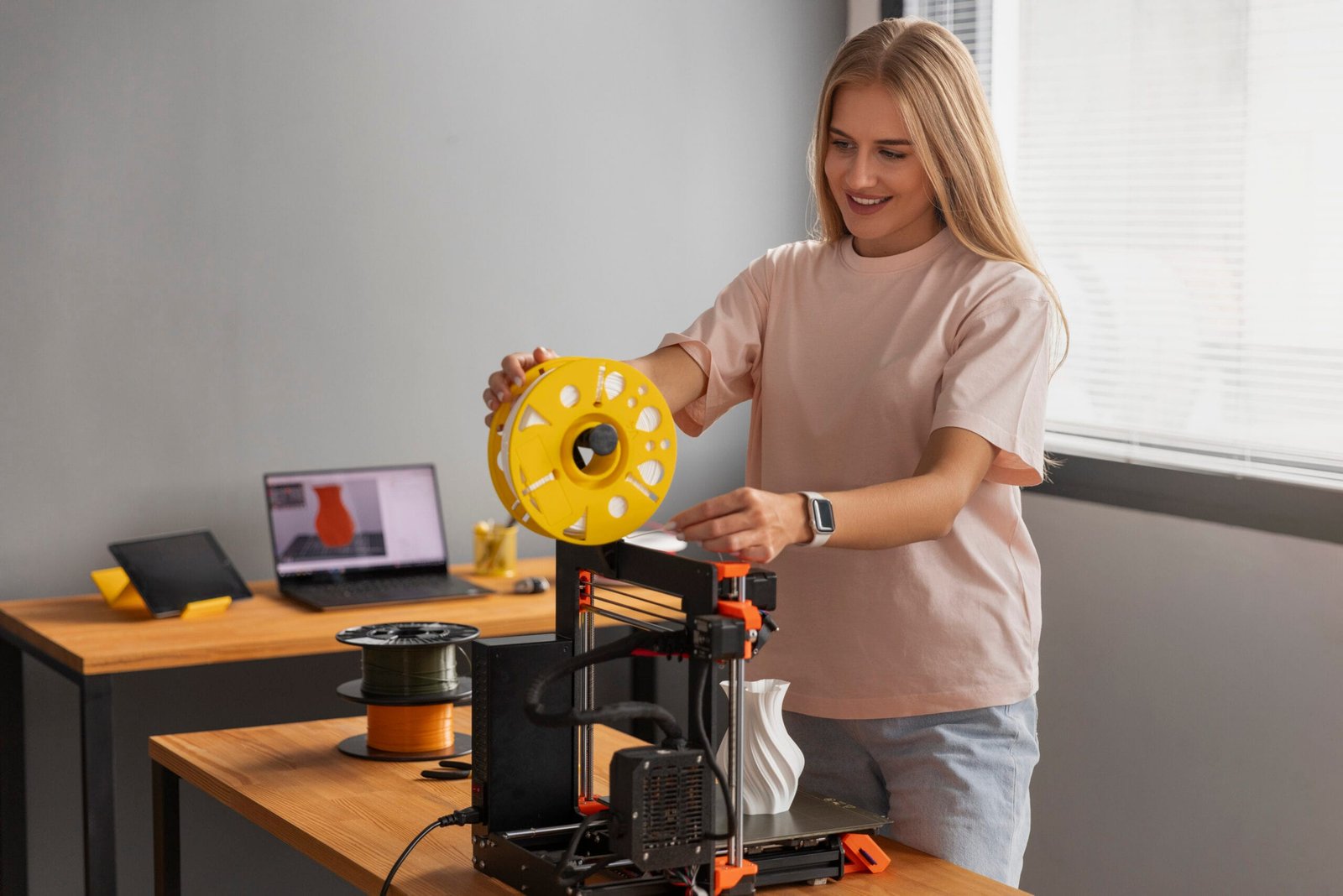

How to Design 3D Print Models
The process of creating 3D print models is a key stage in modern development and design workflows used by engineers and designers in industrial applications. Specialized computer-aided design applications are used to design 3D models with accurate dimensions and appropriate designs for manufacturing. By using the technology of 3D printing, companies can produce prototypes, machined parts, samples, and any other products in a more efficient way. The correct design of 3D-printed models is necessary to achieve good results when using particular materials. In professional design, it is important to be accurate, capable of printing, and have an appropriate model design.
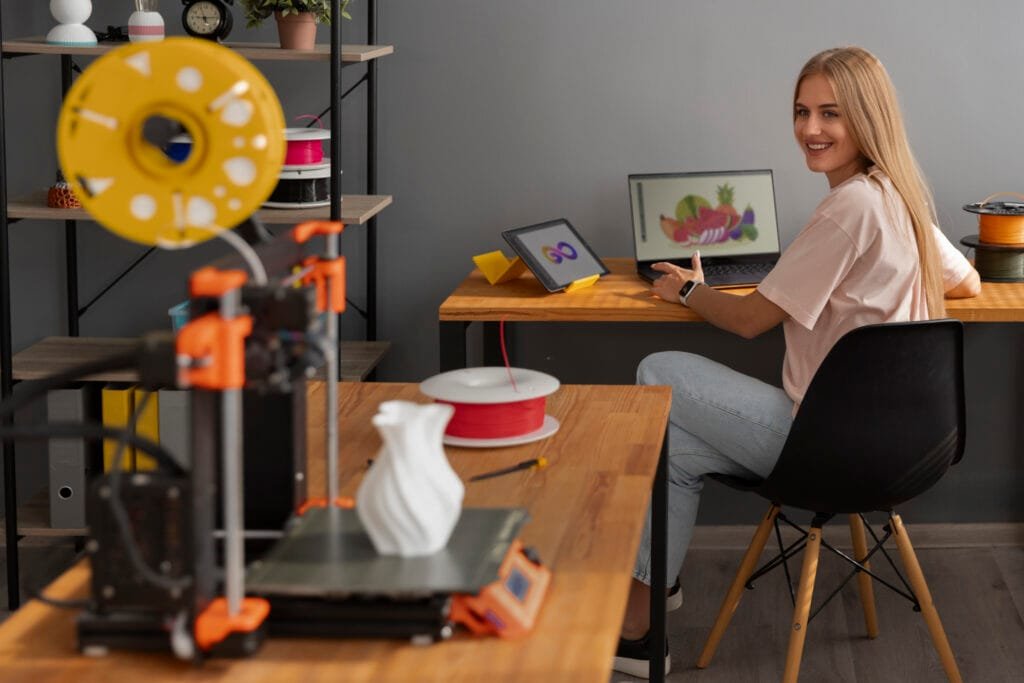
Understanding 3D Print Model Design
Designing a 3D print model entails the creation of a digital 3D model intended for the process of printing through 3D printer technology. The resulting digital model would include all dimensions and wall thickness appropriate for 3D printing technology. Design HOK will help you to learn how to design 3d print models.
Because of the nature of 3D printing, different from other production processes, 3D printing entails building objects layer by layer. This is why specific factors need to be taken into account while creating models. Engineers are able to create precise digital print models with the aid of advanced CAD tools.
Importance of Appropriate 3D Print Model Design
Properly designed 3D printing models play an important role because this guarantees higher print quality and avoid any manufacturing issues. This model design ensures high-quality, stable, and accurate print production. One of the key benefits that comes with appropriate design planning is decreased material waste. The efficient design ensures that unnecessary material is minimized in the process. Moreover, an appropriate design minimizes the probability of failing to print and ensures better compatibility during assembling.
1. Selecting Suitable CAD Software
It is essential to use the right CAD software when developing professional 3D prints. Engineering design, product modeling, surface modeling, and visualization applications are available in various software options. Among the software used to design for 3D printing are SolidWorks, Fusion 360, Blender, AutoCAD, Tinkercad, and CATIA. It is through such software that one is able to develop a digital model complete with accurate measurements and a printable structure.
Selection of the software is dependent on several factors, including the nature and level of complexity of the project as well as standards and levels of accuracy involved. Learn how to design 3D print models that are accurate, functional, and easy to print. How to design 3D print models for accuracy, strength, and printability.
2. Designing For Printability
Designing for printability refers to designing an effective model for manufacturing purposes using 3D printing technology. Wall thickness, need for support structure, overhang angle, and balance are some of the things that engineers must consider. If a model contains numerous overhang angles and is not geometrically effective, then the printing process will be highly inefficient. Proper spacing of movements of assemblies must also be taken into consideration.
3. Materials and Model Structure Optimization
Material selection is vital for designing 3D printing models because all materials have different features in terms of stiffness, flexibility, and resilience. Optimization of the model structure depends on the material used and the application purpose of the future object. How to design 3d print models is a question, so if you want to know about it, read this content.
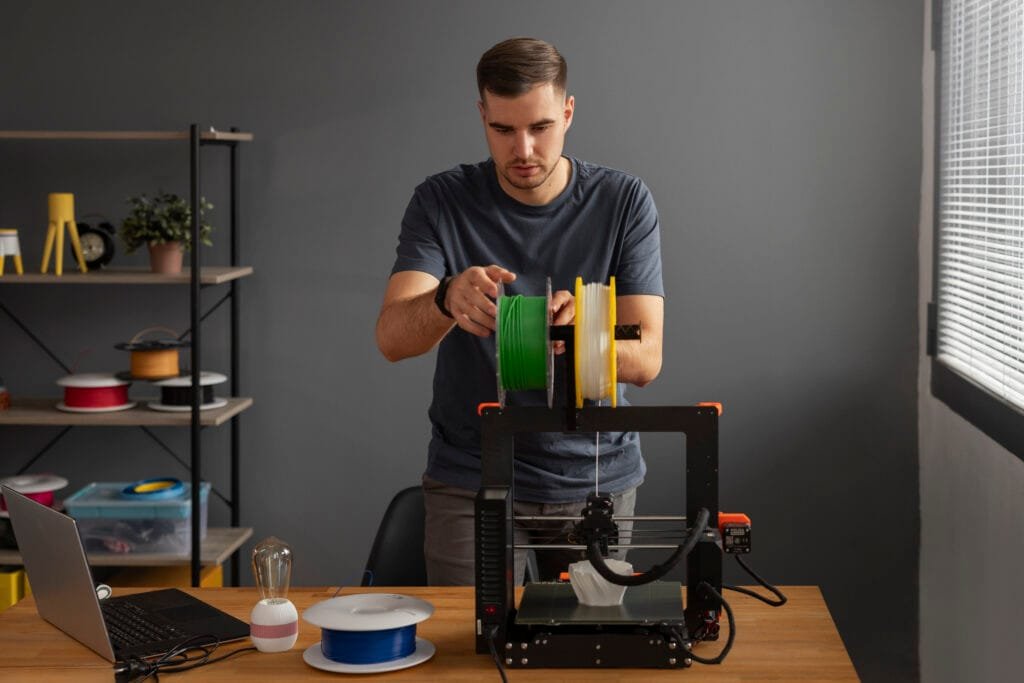
For instance, stronger structures may be used when printing industrial parts, while lighter objects may be needed in case of prototyping or presentation purposes. Model structure optimization results in improved print process quality and product effectiveness in the long run.
4. Preparation of 3D Models for Printing
For the printing process to begin, the computer models have to be prepared in an appropriate printing format like STL or OBJ, and this preparation process requires slicing of the computer model and setting up all the printing parameters. Parameters include the thickness of the layers, the speed at which the print will take place, additional support structures, and the level of infill material. Preparation of the models for printing results in better prints.
Importance of 3D Printing in the Process of Product Development
3D print models are important in the process of product development. They help in rapid prototyping and concept testing. Designers are able to get actual physical models, which will assist in analysis. The process helps to enhance efficiency in the development process and helps to detect possible changes in designs at the early stages of projects. Communication between the design team and other departments is also enhanced.
Benefits of Designing Professional 3D Print Models
Professional 3D print model design offers several advantages for engineering and manufacturing industries. Among these benefits are high print accuracy, high productivity, and high product quality. The use of professionally designed digital models allows for achieving high accuracy in printing, saves materials, and improves product durability. In addition, good 3D printable designs enhance speed and efficiency in prototyping and manufacturing preparations.
Companies that adopt professional 3D printing design processes are likely to realize higher efficiency during the design process. How to Design 3D Print Models Comprehensibly? At Design HOK, we’ll guide you.
Future of 3D Print Model Design
The future of 3D print model design will keep changing with the help of AI-powered modeling, simulations, cloud-based collaboration tools, and optimization software. They have contributed towards increased efficiency and productivity. In today’s world, several industries rely on additive manufacturing technology in order to quickly prototype, mass customize, and create parts for different industries. As new advances are made in 3D printing technology, creating professional designs will remain relevant.
Conclusion
The creation of professional 3D printed models is vital to the contemporary additive manufacturing and product development cycle. Developing CAD designs, perfecting the structure design, and developing proper files will ensure the production process runs seamlessly and the final product performs well. Professional 3D print models play a vital role in the aspect of rapid prototyping and industrial manufacturing processes. Companies adopting professional 3D print models and design processes will benefit greatly.
FAQs
1. What is a 3D print model?
The 3D print model is defined as the computer-generated 3D object created with the purpose of printing through an additive process. 3D print models are generated using software referred to as professional CAD that enables easy and efficient printing of objects.
2. What software is employed for creating 3D print models?
SolidWorks, Fusion 360, Blender, AutoCAD, CATIA, and Tinkercad are just some of the many CAD software applications that are often utilized for developing 3D printing models.
3. What is printability in terms of 3D printing models?
Printability is a highly crucial factor concerning the success of the manufacturing process and preventing all possible issues that can arise during this process. Visit Design Hok to learn how to design 3D Print Models.
4. How does wall thickness influence 3D printing?
Proper wall thickness allows for increasing the strength and durability of an object. It prevents printing problems and difficulties related to the choice of materials.
5. Can 3D-printed models be used in manufacturing?
Indeed, the use of 3D print models is popular in prototype and product testing as well as industrial manufacturing of customized products.
6. What are some advantages of professional 3D print model designing?
They include increased production speed, improved quality and strength of the final product, and an efficient production process, among others.