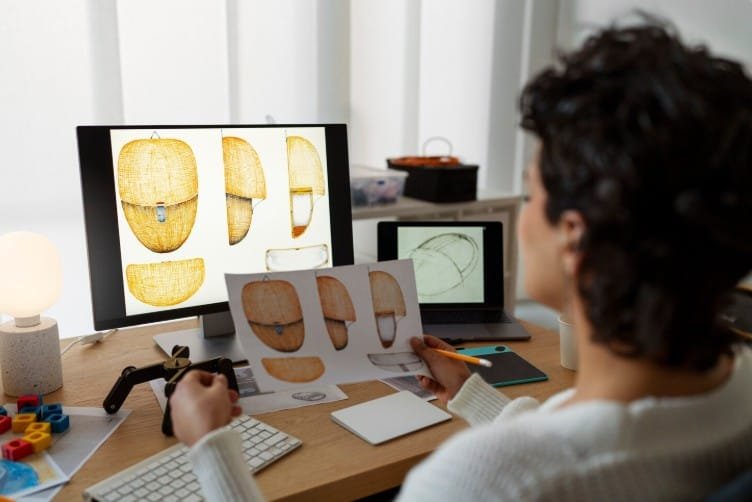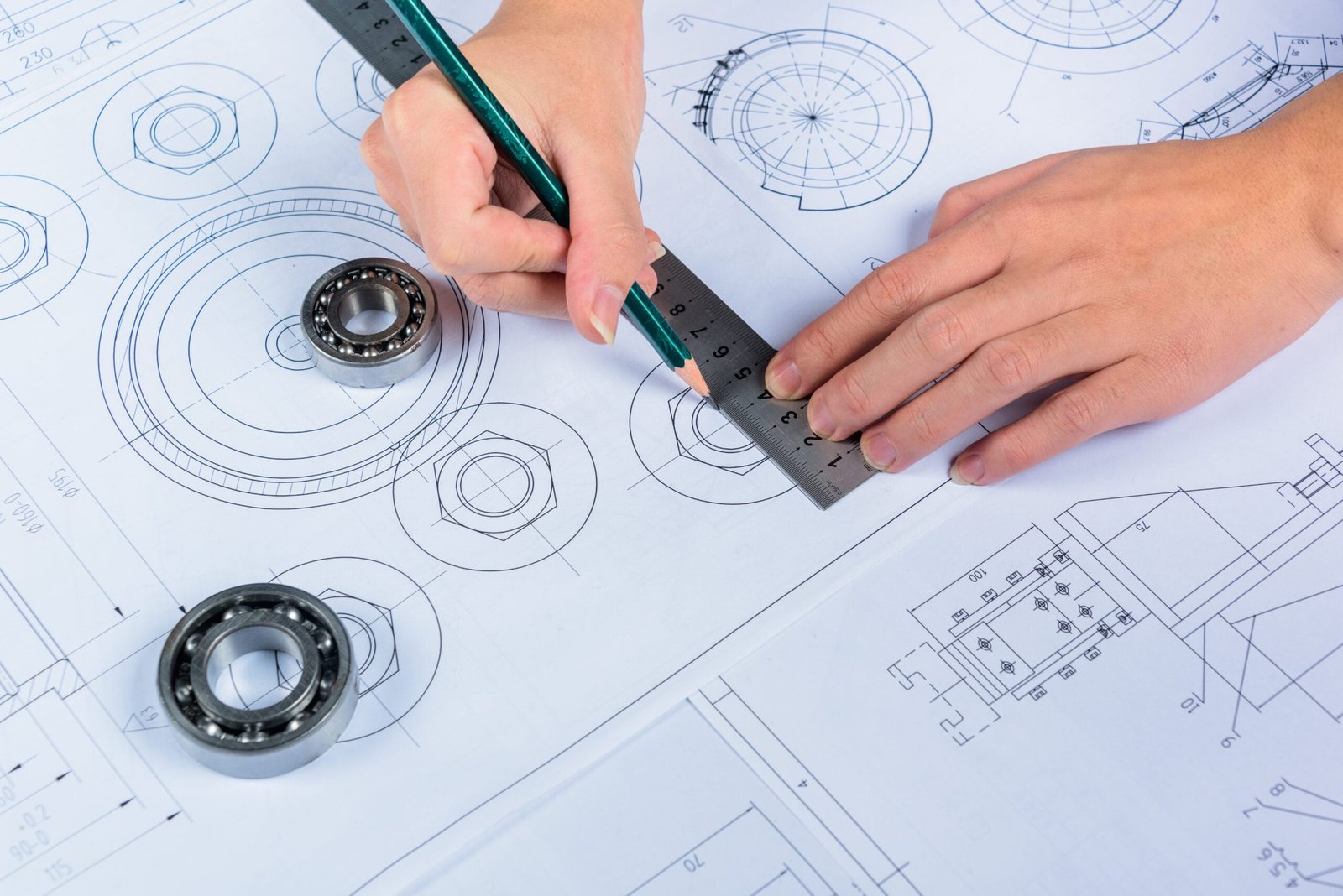
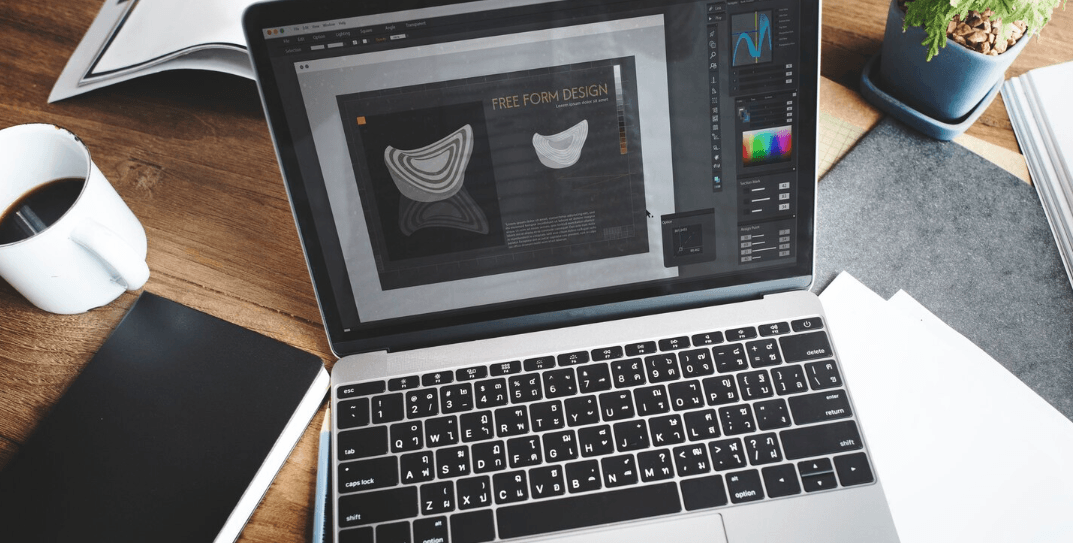

A career in 3D modeling is currently considered one of the fastest-growing professions in the modern design and engineering industry. Individuals working in this profession build digital models used for design, visualization, engineering, product development, animation, and gaming. With an increase in the need for computer-aided design software tools, the demand for people who are skilled in designing 3D models will become higher and higher. Professional 3D modelers offer services that enhance visualization and product development processes in various sectors.

3D Modeling Career Understanding
The basic responsibility of those people employed within the realm of 3D modeling careers is to create digital objects with the use of specialized software programs. In this respect, professional 3D modelers create models with correct structure, texture, size, dimensions, and visual aspects according to industry requirements.
3D modelers create models for engineering works, industrial projects, product designs, animation films, and simulations.
Industry Sectors That Require 3D Modelers
There is an increasing need for 3D modelers because of digital technologies in different sectors. Manufacturing industries employ 3D modelers in product design, mechanical design, and process design. Professional engineers make use of 3D modelers to design mechanical systems and view industrial products. Some other industries that require 3D modeling are the automotive industry, aerospace, medical equipment design, and industrial marketing.
Requirements for a 3D Modeling Career
To have a successful 3D modeling career, professionals need to be competent in many skills. Mastery in the fundamentals of design, engineering, visualization, and 3D modeling is mandatory for all modelers. Professional models demand expertise in CAD software, visualization software, and professional rendering. Professional models demand professional texturing along with professional rendering. Observation skills and understanding of technical specifications are additional skills necessary when designing professional models.
Collaboration skills, including communication skills, are also required by professionals engaged in modeling. At Design HOK, we provide a 3D Modeling Career to help those people who want to grow their future in this field.
Popular Software Used in 3D Modeling Careers
Professionals in 3D modeling careers apply advanced software according to their specialization and the nature of the project. Commonly applied software in such professions includes SolidWorks, AutoCAD, CATIA, Fusion 360, Blender, Maya, 3ds Max, Cinema 4D, and Creo. The software is used in computer-aided design modeling, rendering, simulations, and visualization operations. The choice of software is based on the availability of engineering design, animation, architectural design, or product development.
Career Options in 3D Modeling
A career as a 3D modeler gives rise to numerous career options in technical and creative fields. Some job roles in which individuals can specialize include CAD designer, mechanical modeler, product visualization expert, industrial designer, animator, renderer, and engineering design expert. Companies also look to employ 3D modelers for product demonstrations, digital graphics, virtual simulations, and manufacturing. Moreover, freelancing options are increasing due to the use of online collaboration platforms and cloud-based design systems.
Importance of 3D Modeling in Product Development
Experts in 3D modeling have great significance in today’s product development process. The work done by them assists companies in visualizing products, testing designs, and generating models ready for manufacturing. Use of models is helpful in engineering analysis, prototype design, rendering, and assembly planning. Improved communication in product development phases is made possible by modeling processes. Modeling also assists in reducing errors in designs.

Advantages of a Career in 3D Modeling
Choosing a career in 3D modeling can provide many benefits for people who are interested in technology, engineering, and digital artistry. First of all, working as a 3D modeler allows an individual to have access to various fields and develop the necessary skills. Furthermore, career development becomes possible due to the implementation of digital design technologies in industries. Also, one of the main advantages of this career choice is a great variety of work environments, which include office jobs, freelance positions, remote work, and international design projects.
Future of 3D Modeling Careers
The future of 3D modeling careers is still bright, as there are more developments related to AI-powered design, real-time rendering, virtual reality, cloud collaboration, and digital manufacturing technologies. Companies from different industries start implementing new visualization and simulation technologies to make their businesses more productive and efficient. Thus, the global demand for 3D modeling professionals increases.
Conclusion
Career prospects in 3D modeling are varied in fields such as engineering, manufacturing, animation, and visualization. A career in 3D modeling involves a combination of technical skills and creativity in solving issues and processes involved in modern digital technologies. 3D modeling is used for various purposes such as CAD modeling, rendering, and animation. As companies embrace the use of digital technology, there are likely to be many career opportunities in 3D modeling.
FAQs
1. What is involved in pursuing a career in 3D modeling?
A career in 3D modeling requires creating 3D models that can be used in areas such as engineering and manufacturing, as well as in films through animation. The 3D models require designing technical aspects in a three-dimensional format using computer programs.
2. In which industries are they likely to employ specialists in 3D modeling?
Specialists in 3D modeling operate in different fields, among them manufacturing, engineering, animation, the automotive industry, and aerospace.
3. What skills are required in careers involving 3D modeling?
Among the skills required in careers involving 3D modeling are visualization skills, rendering skills, problem-solving skills, creativity, and CAD modeling, among others.
4. What are some of the primary instruments used in 3D modeling?
Some of the primary instruments that can be used in 3D modeling include SolidWorks, AutoCAD, Fusion 360, Blender, Maya, CATIA, Creo, and 3DS Max.
5. Is 3D modeling an excellent choice for a career?
Of course, 3D modeling is one of the best careers due to the growing demand for digital visualization and design technology.
6. Are remote working opportunities possible in 3D modeling?
Certainly, many 3D modelers have the chance to do their jobs while sitting at home using cloud technologies. Remote work is widely popular among engineers, animators, and designers.
7. What is the purpose of using 3D modeling in product development?
With respect to the application of 3D modeling technology, it allows companies to develop their products efficiently before starting the actual manufacturing process.