
Introduction
Modern product development relies heavily on 3D modeling and rendering to accelerate design, reduce manufacturing errors, and improve product visualization before production begins. For product development, digital design solutions enable businesses to create realistic models that streamline the development process and improve visualization before production. These technologies help engineers and designers minimize errors, lower production costs, and accelerate product development cycles.
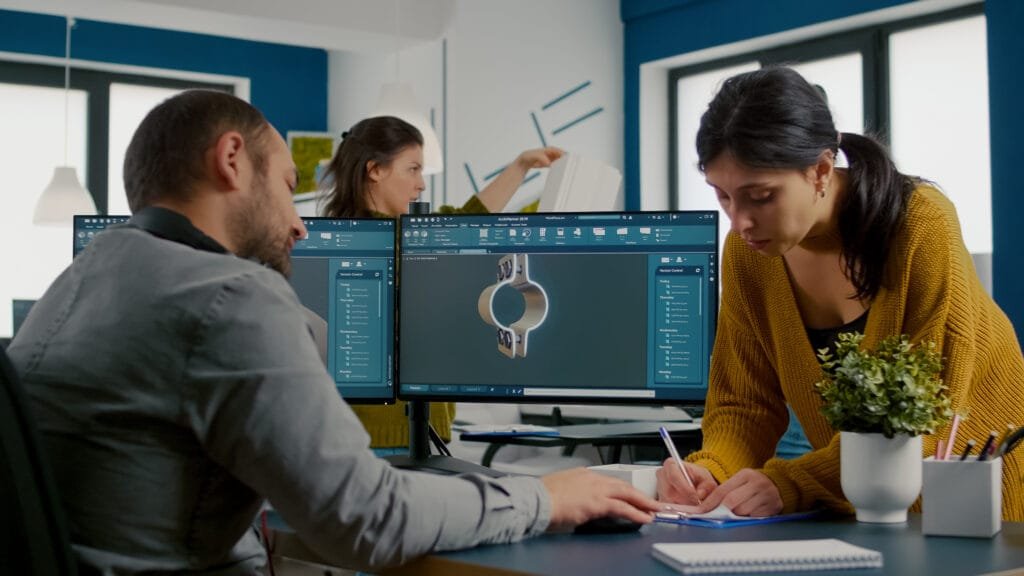
Professional 3D modeling and rendering services support industries. The automotive, machinery, consumer goods, medical devices, and mechanical engineering industries have been thoroughly discussed. Realism visualization and CAD modeling help organizations to enhance their means of communication and be more efficient.
What Is 3D Modeling?
The professional 3D modeling workflows enable engineers and designers to take ideas and create digital models that can be sent to production. The process means better product quality, shorter development cycles, and fewer manufacturing risks at each step. Well-structured 3D modeling techniques help industries to speed up the product development operations from the idea generation stage to the end rendering and prototyping stages.
What Is 3D Rendering?
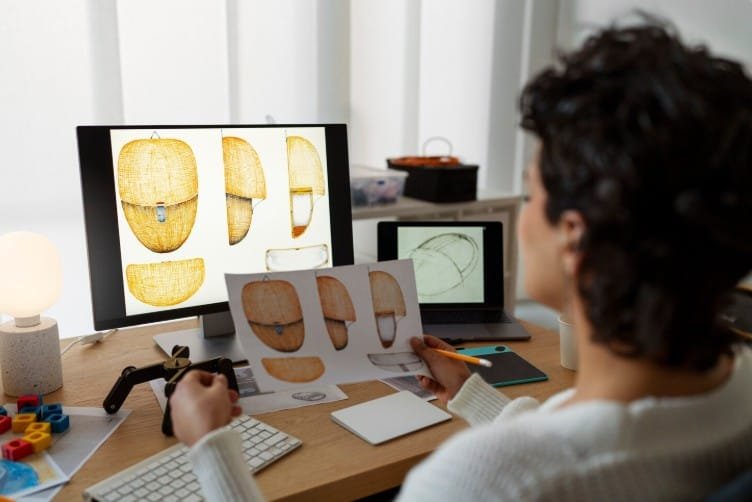
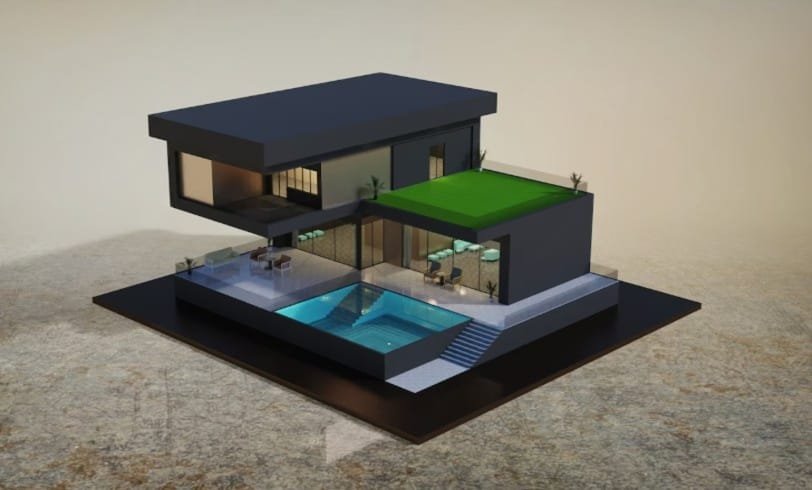
3D rendering is the process of transforming digital 3D models into photorealistic visual images or presentations. In this phase, the designer applies materials, textures, lighting effects, shadows, reflections, and colors to the end product to make it look realistic.
Rendering technologies are used by companies for professional product presentations for marketing, product demonstrations, engineering reviews, and client approvals. High-end renders show how the product looks and functions in real-world environments.
Importance of 3D Modeling and Rendering
Companies involved in product development and manufacturing can benefit from professional 3D modeling and rendering services in several ways. These technologies enhance the design accuracy, the visualization of the products, and the communication between engineering teams and customers.
The biggest benefits are the following:
- Enhanced product visualizations
- Speed up design revisions
- Enhanced engineering precision
- Lower development cost
- Improved productivity in manufacturing
- Realistic Product presentations
- Streamlined prototyping processes
- Better client communication
These digital engineering solutions are adopted by industries to make the workflows efficient and stay competitive in the markets, which are evolving rapidly.
The 3D Modeling Process
Step 1: Needs Assessment
The process starts with the collection of project requirements, technical specs, functional goals, and product concepts. Engineers and designers examine the requirements for manufacturing and the expectations for the design.
Step 2: Conceptualization
The design team develops the conceptual framework and overall structure of the product. The second step aims at determining the overall configuration and mechanics of the product.
Step 3. CAD Modeling
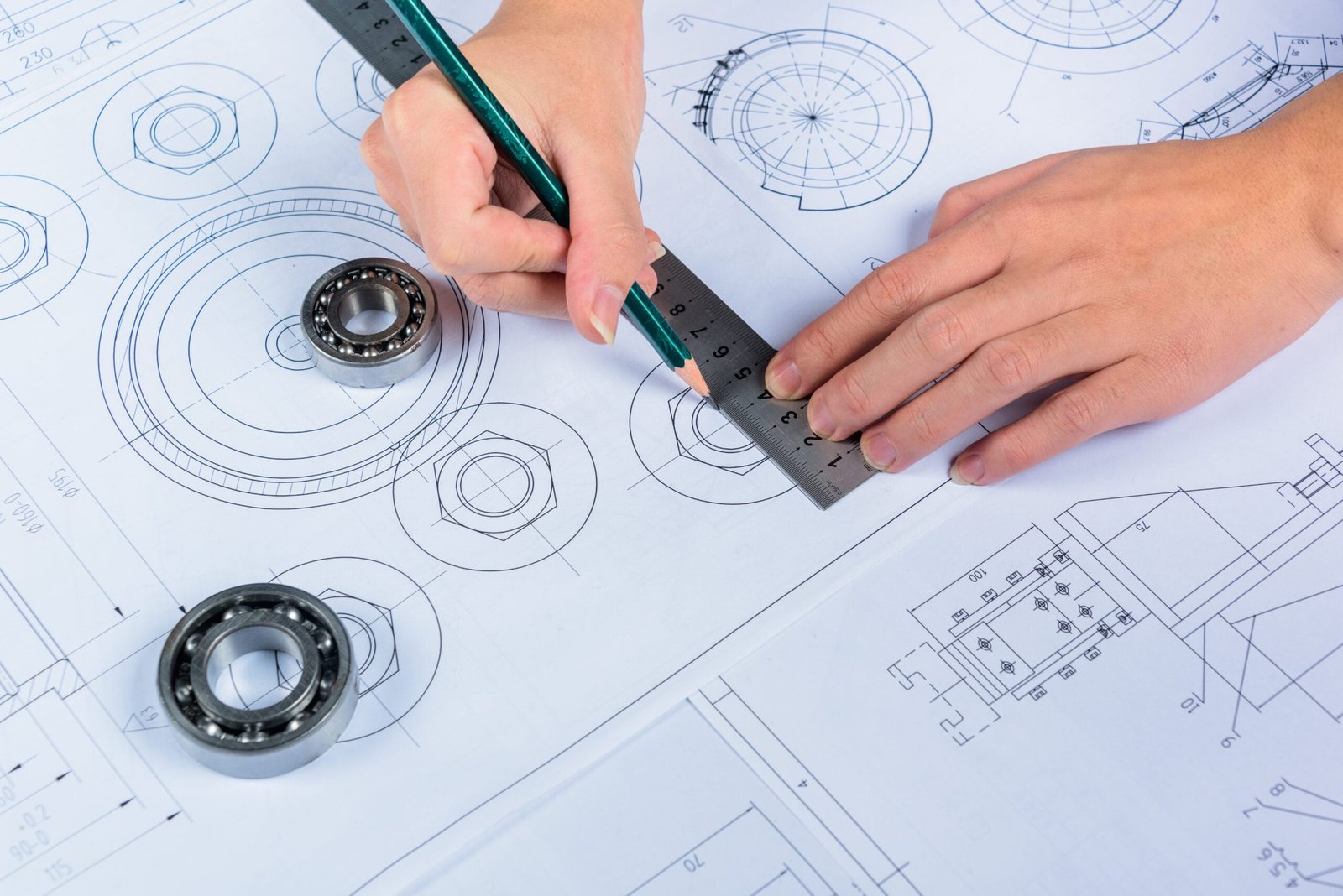
Engineers use professional software tools to create detailed 3D CAD models. The model is correct in its dimensions, surfaces, assembly components, and structural features for production.
Step 4: Detailed design development
The engineers and designers add holes, fillets, patterns, surface details, and all the assembly-related features to the 3D model. Detailed design development can increase functionality, manufacturability, and overall visual quality.
Step 5: Material Application and Rendering
Product visualization can be achieved by the application of materials, textures, color schemes, and lighting techniques. Rendering allows transforming CAD models into highly realistic presentations representing the look of the final product.
Step 6: Prototyping
Prototypes can be created using precise CAD designs, which include methods like CNC milling, manufacturing, and 3D printing to create a physical prototype. The engineers evaluate how well the product works in practical conditions.
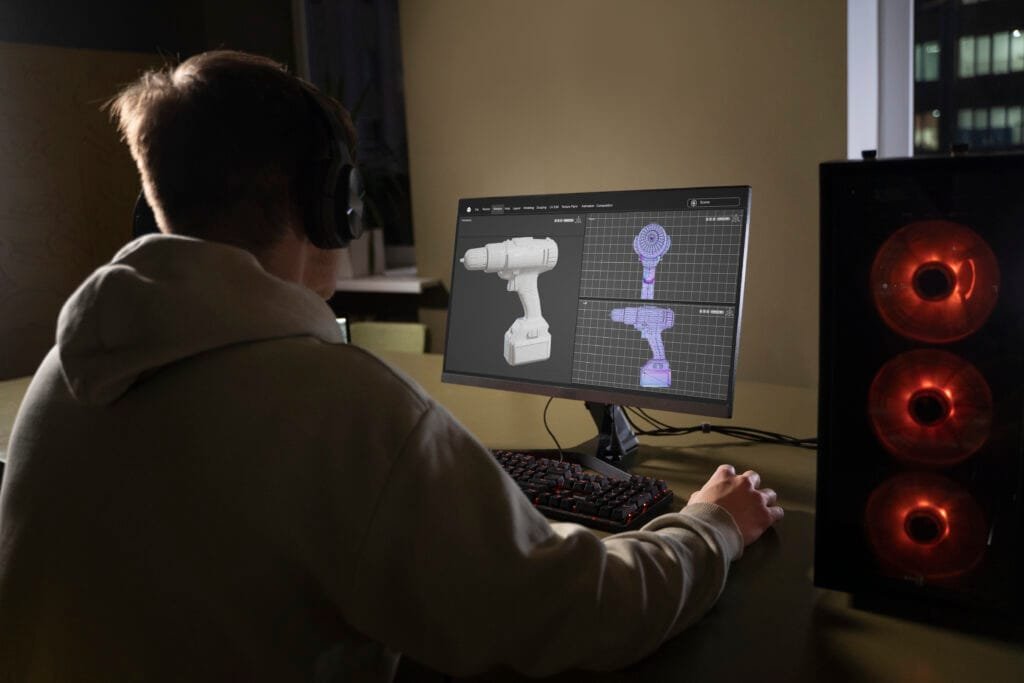
Industries that Use 3D Modeling and Rendering
There are several industries that use 3D modeling and rendering services.
Automotive industry
3D modeling is used in the automotive industry in the design of vehicle parts and prototypes.
The manufacturing industry.
CAD modeling is used by manufacturers to design machine parts, industrial equipment, and production systems.
Medical Sector
3D models are used by medical companies for the design of medical devices, surgical tools, and healthcare equipment.
Consumer Products
Electronics, packaging, and household products. Businesses make realistic presentations of products.
Future of 3D Modeling & Rendering
State-of-the-art simulation, real-time rendering systems, cloud-based collaboration systems, and artificial intelligence integrated into design systems are advancing today’s 3D design tools. They are setting the pace of innovation in the fields of product development and engineering.
3D modeling and rendering services will become even more crucial to manufacturing, visualization, and industrial innovation going forward. Design HOK, deliver 3d modeling and rendering services for clients.
Conclusion:
The introduction of 3D modeling and rendering has significantly improved the product development process of today by improving visualization, engineering accuracy, and manufacturing efficiency. These technologies allow companies to lower the risks of production, improve the flow of work, and give a realistic presentation of the product before it is produced.
Professional 3D modeling and rendering services provide industries with reliable digital solutions for product design, prototyping, visualization, and manufacturing support. “Technology is always evolving, and these solutions will be critical for companies that want to innovate faster and get better product quality.
FAQs
1. What Are 3D Modeling and Rendering Services?
3D modeling and rendering services entail the creation of comprehensive digital models of products and rendering them using quality visualizations using CAD software and 3D rendering software.
2. Why Is 3D Modeling Important in Product Design?
3D modeling makes it possible for the engineers and product designers to make the designs accurately using the digital models before production begins.
3. What is the difference between 3D rendering and 3D modeling?
It is quite easy to understand the difference between the two terms. While 3D modeling refers to the creation of digital models of the product design, 3D rendering refers to the development of visual images from these digital models.
4. Which Industries Use 3D Modeling and Rendering Services?
Companies like automotive, manufacturing industries, architecture, and even medical equipment companies use the services offered by specialists offering 3D modeling and rendering services.
5. What software is commonly used for 3D modeling and rendering?
Some examples of software applied for 3D modeling and rendering are SolidWorks, AutoCAD, CATIA, Blender, Autodesk Maya, 3ds Max, and KeyShot.
6. In what way does 3D rendering aid in visualizing the product design?
The use of 3D rendering will aid in visualizing the designs of digital models that have been designed at the early stage of product design.
7. Are prototypes created from the 3D models?
Certainly, provided that the 3D CAD models are accurate enough, they will be used in CNC machining and manufacturing processes as well as 3D printing to build prototypes.