
Benefits of Prototyping
Among the most crucial phases involved in the production of any product is prototyping. The development of an initial prototype involves the formation of the first design of a product that helps to assess the design before commencing the manufacturing process. With modern-day industries, prototyping plays a crucial role. It involves minimizing risks that may be associated with the transformation of ideas into tangible products.
Improved Product Validation
One of the main benefits of prototyping is improved product validation. It permits engineers to determine whether the product will perform the way it is supposed to before going into production. This process identifies design, performance, and structural problems that need fixing. The benefits of prototyping help with the better execution of models.
Decrease in Development Expenses
Through prototyping, developers can be able to decrease the development expenses by identifying mistakes early in the process. It is more economical to correct design mistakes through prototypes than to correct them when the products are being produced in large numbers. It ensures minimum wastage of materials and produces minimum defective products.
Faster Product Development
Another major benefit of prototyping is faster product development. Designers can quickly test and modify ideas without waiting for full production cycles. This speeds up the overall development process and helps companies bring products to market more quickly. The benefits of prototyping help you to perform
Improvement of Design Accuracy
From the process of designing prototypes, one improves one’s design accuracy because it entails creating a tangible object for analysis. Through this, one can learn more about the form, structure, and functioning of the product rather than just sketching it on paper.
Improved Communication and Coordination
With the use of prototypes, the coordination and communication between the designer, the engineer, the manufacturer, and the client are improved. A prototype makes all parties have a clear understanding of what the product entails. Design HOK provides a complete guide on the benefits of a prototype.
Early Detection of Problems
Prototyping helps identify design and functional issues early in the development cycle. Engineers can test different versions and make improvements before final production. This reduces production risks and improves overall product quality.
Improving the Manufacturing Process
The manufacturing process can be simplified with improved designs from prototypes. This will help improve the processes of manufacturing and assembly of materials. This simplifies production and minimizes errors that might occur during manufacturing.
Improved Product Performance
Prototype design enables actual testing to aid in improving product performance. Tests of strength, longevity, and performance may be carried out. It will ensure that the end product is highly performing.
Digital Technologies in Prototyping
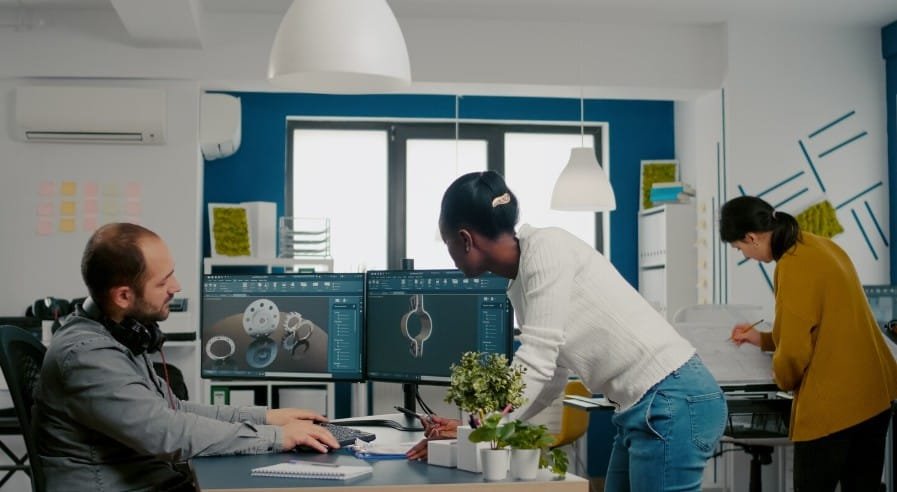
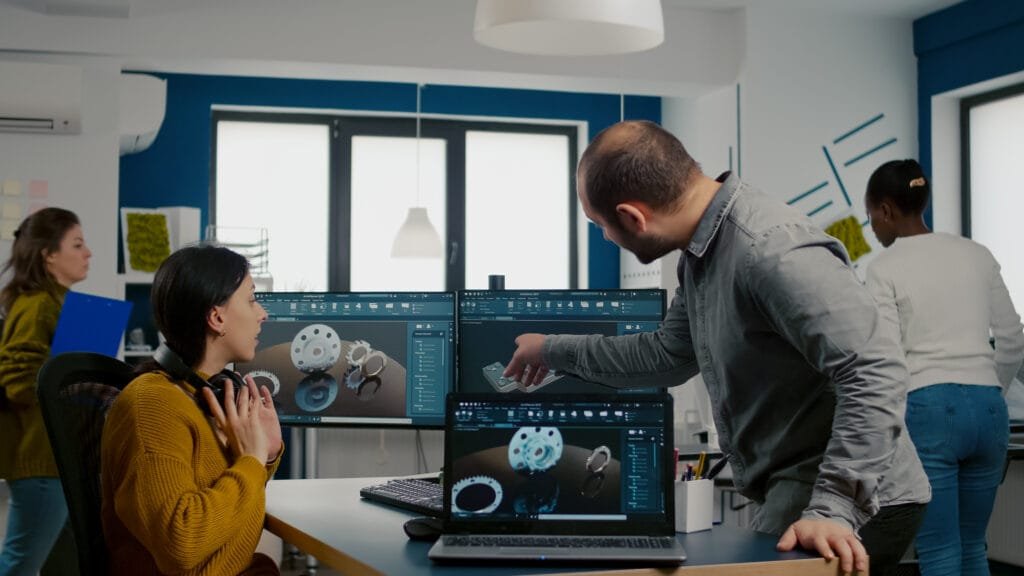
Prototyping in the present day does not imply working only with tangible prototypes since there are many other digital techniques used during this stage. Specifically, computer-aided design software, simulation programs, and 3D visualization systems enable engineers to design extremely accurate digital prototypes prior to developing physical ones. Such digital prototypes are helpful when it comes to evaluating product performance and design.

With the emergence of collaborative design environments, design engineers can collaborate in real-time regardless of geographic proximity. It means that this type of collaboration contributes to more effective communication and faster decision-making processes, which facilitates the efficiency of the whole design process.
Future of Prototyping
In the future, prototyping will be much more sophisticated with the introduction of modern digital solutions, cloud technology, and simulation software. Today’s companies tend to use fast and smart prototyping processes for quicker development and better accuracy. The benefits of prototyping are essential for professional CAD services.
Virtual prototyping and 3D printing will dominate in the future because engineers will be able to develop their models and adjust them before actual manufacturing, and save a lot of money on unnecessary materials. The future will bring more sophisticated approaches to prototyping that will allow companies to produce better-quality goods much faster.
Conclusion
Prototyping offers several important benefits, including cost reduction, faster development, improved accuracy, and better communication. It functions as a link between design and manufacturing and ensures that products undergo proper testing before being put into production. Companies using prototyping effectively have products of superior quality and minimized risk and efficiency in the manufacturing process.
FAQs
1. What is meant by prototyping in product development?
Prototyping involves making an early prototype of the product that enables the engineers to examine the design and performance of the product. This will ensure better design and improved quality of the product.
2. Why is prototyping important in manufacturing?
Prototyping is important in manufacturing since it enables the identification of mistakes in product design at an earlier stage. This will minimize risks associated with manufacturing.
3. What are some of the benefits associated with prototyping?
Advantages of prototyping are that there is higher accuracy in designing, low costs, quick build-up, and validation of the product.
4. How does prototyping lead to cost reduction?
Costs are reduced through prototyping because it enables engineers to spot flaws in the design at the beginning of the development process. As such, costly changes will not be required during mass production.
5. In what way can prototypes improve product reliability and durability?
The use of prototypes makes it possible to examine the design, durability, and overall quality of the product prior to its manufacture.
6. What types of prototypes can be used in an industrial setting?
Physical prototypes consist of CNC prototypes and 3D-printed prototypes, while digital prototypes consist of computer-assisted design prototypes. Both are used to test various aspects of the product design.
7. How does a prototype help in speeding up product development?
It allows for quick testing and modification of the design without having to start from scratch.