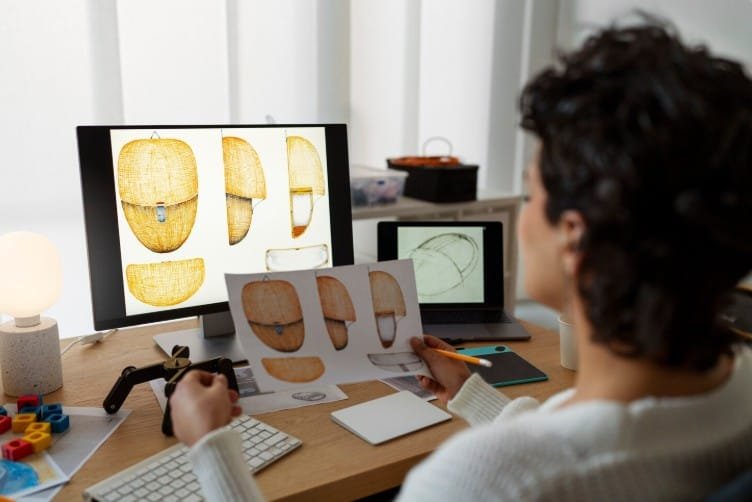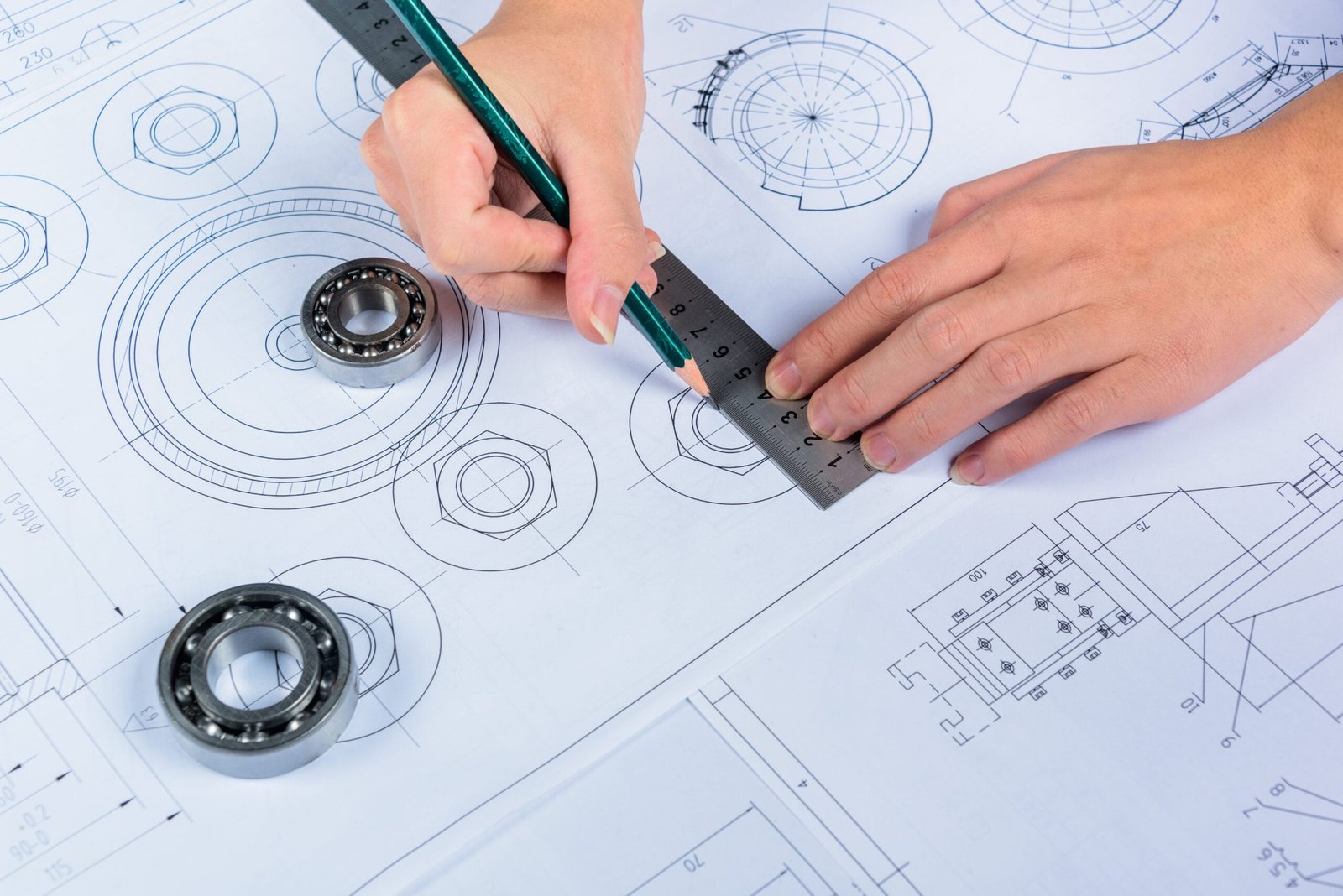


In modern design and engineering processes, choosing the right software for 3D modeling is essential. Designers can create authentic digital models, analyze structures, and visualize products before production. They are helpful in improving efficiency and reducing design errors. 3D modeling software has become more powerful and user-friendly with the advancement of technology. Professionals can handle complex designs. They can produce high-quality results for industrial and commercial applications. Software for 3d modeling makes it easy to create any product to meet your requirements.
What is 3D modeling software?
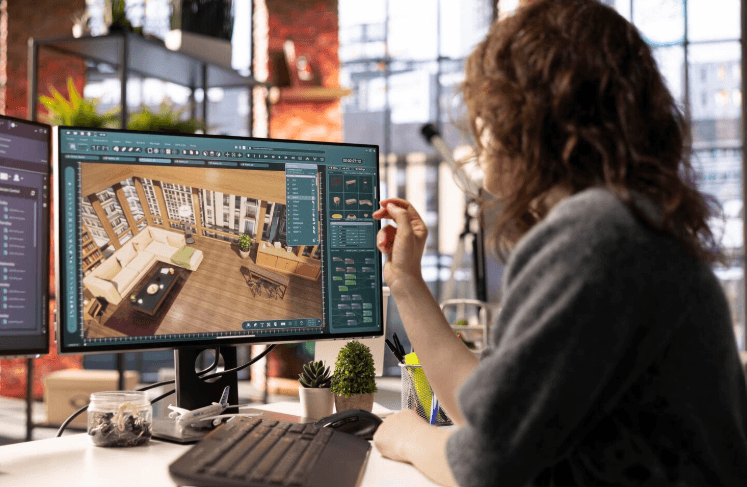
Using 3D modeling software, three-dimensional representations of objects can be created. Users can design, edit, and analyze models with correct measurements and realistic details. These tools are widely used in engineering, product design, and visualization. Software provides a virtual environment, and designers can experiment with various ideas using the virtual environment. Design HOK provides Software for 3D Modeling.
In improving design accuracy and achieving better results, this flexibility helps.
Importance of 3D Modeling Software
3D modeling software is important for achieving accurate and efficient designs. Designers can identify errors quickly and make necessary arrangements before production. This reduces the hazard of costly mistakes and improves overall quality. By providing clear visual representations, these tools enhance communication. 3D modeling software is helpful for teams and clients to understand design concepts and provide feedback.
Key Features of 3D Modeling Software
1. Precision and Accuracy
There are various tools of 3D modeling software for creating highly authentic designs with perfect dimensions. This ensures that components fit perfectly and function. For industrial and mechanical applications, high precision is essential.
2. Easy Modification and Flexibility
Designers can modify models easily without starting from scratch. Changes can be applied quickly in dimensions, shapes, and features. This flexibility saves time and upgrades productivity.
3. Visualization and Rendering Support
Most software includes visualization features that help create realistic images of models. Rendering tools add lighting, textures, and shading to enhance appearance. This is useful for presentations and product evaluation.
4. Simulation and Testing
Designers are allowed to simulate real-world conditions. This helps in testing the achievement and durability of components. It reduces the chances of failure during production.
5. Compatibility with CAD Systems
Many 3D modeling tools are unified with CAD systems. This ensures continuous workflow and definite technical documentation. Design files can be easily shared across teams using a CAD system.
Types of Software for 3D Modeling
1. CAD-Based Software
CAD software is widely used to make designs that are very accurate and technical. CAD-based software is often used in engineering and manufacturing. These tools are mostly about how well the parts work and how accurate they are.
2. Surface Modeling Software
By using surface modeling tools, smooth and visually appealing designs can be created. For product design and visualization, they are applicable. These tools focus on the external appearance of models.
3. Rendering and Visualization Software
By using rendering software, models can be converted into realistic images. Adding visual effects, it enhances the presentation of designs. This is important for marketing and client communication.
Popular Software for 3D Modeling
1. AutoCAD
CAD software is widely used for creating precise and technical designs. In engineering and manufacturing, it is commonly applied. These tools focus on the accuracy and functionality of components.
2. SolidWorks
For solid modeling and mechanical design, SolidWorks is a powerful tool. Designers are allowed to create detailed and functional models. The software also supports simulation and testing features.
3. Blender
Blender is a versatile 3D modeling tool that supports modeling, rendering, and animation. It is extensively used for visualization and creative projects. The software is free and offers a broad range of features.
4. Fusion 360
Fusion 360 is a single platform that has CAD, CAM, and simulation tools. It can be used for product design and in factories. The system in the cloud makes it easy for people to work together and get to projects.
Applications of 3D Modeling Software
1. Engineering and Manufacturing
To design industrial parts and mechanical systems, 3D modeling software is used. It helps engineers analyze functionality and ensure accurate production. 3D modeling software plays an important role in improving efficiency and reducing errors in manufacturing.
2. Product Design and Development
To create and refine product designs, designers use 3D software. It allows verification of different concepts before finalizing the design. This reduces costs and improves product quality.
3. Industrial Visualization and Rendering
To make realistic models of products and parts, designers use 3D modeling tools.
These models are useful for marketing and presentations. They help you get your design ideas across more clearly.
4. CAD-Based Mechanical Design
These tools support the creation of precise CAD models for mechanical systems.
Engineers can ensure appropriate assembly and functionality. This improves reliability in complicated designs.
Challenges in 3D Modeling Software
Despite its advantages, 3D modeling software can present certain challenges. Technical knowledge and experience are required to use it effectively. To complete complex projects, significant time is required. Software costs and hardware requirements can also be a concern. But these tools are becoming more accessible and efficient with the continuous advancements of technology.
Future of 3D Modeling Software
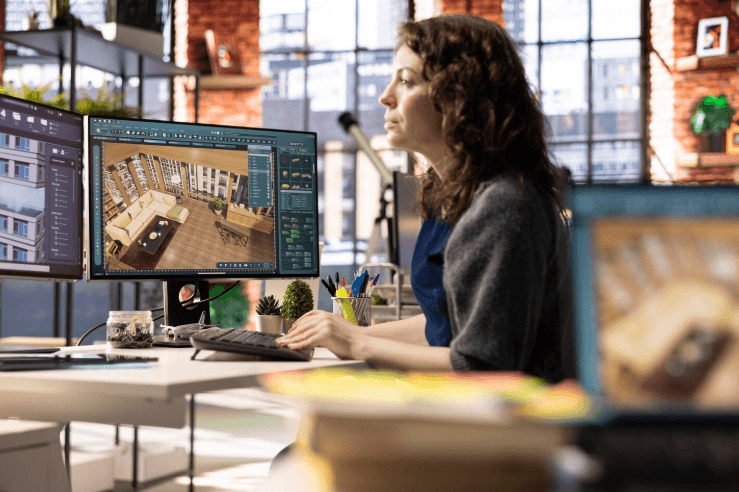
Innovation and advanced technologies are enhancing the future of 3D modeling software, making it accessible for users with fluctuating levels of technical knowledge. AI and real-time rendering can speed up the design process. These developments allow faster and more accurate modeling.
As more businesses move to digital solutions, the need for 3D modeling software will grow. It will still be a useful tool for making things, designing things, and discovering objects.
Conclusion
For 3D modeling, selecting the right software is essential for achieving accurate and high-quality designs. For creating, modifying, and visualizing digital models, these tools provide powerful features. They play an important role in modern engineering and product development.
3D modeling software will continue to evolve with continuous technological advancements. To create more efficient and innovative solutions, 3D modeling allows designers and engineers to do so.
FAQs
Q1: What is software for 3D modeling?
Software for 3D modeling is a digital tool. This tool is used to create, edit, and visualize three-dimensional objects with precision.
Q2: Which software is best for 3D modeling?
The efficiency of software depends on the project. For engineering, CAD tools are ideal. Rendering tools are better for visualization.
Q3: Why is 3D modeling software important?
3D modeling software is important because it makes things more efficient, cuts down on mistakes, and helps people see designs before they are made.
Q4: What are the main features of 3D modeling software?
Some of the most important features are accuracy, flexibility, visualization, simulation, and compatibility with CAD.
Q5: Is 3D modeling software difficult to learn?
3D modeling software requires practice and technical perspective, but many tools are convenient and offer learning resources.
Q6: What skills are required to use 3D modeling software effectively?
To use 3D modeling software adequately, a user needs a strong understanding, attention to detail, and basic knowledge of design principles. Familiarity with CAD tools and practice in handling digital modeling interfaces also improves efficiency and accuracy.
Q7: Is it possible to use 3D modeling software to make models in the real world?
Yes, designers use 3D modeling software to make models in the real world. It helps make accurate digital prototypes that guide production, making sure that parts are designed correctly before they are made in real life.
Q8: What is the difference between beginner and advanced 3D modeling software?
For basic modeling tasks, beginner software usually focuses on simple tools and easy interfaces. For professional and industrial use, advanced software offers complex features like simulation, parametric design, and high-level rendering.
Q9: How does 3D modeling software improve design efficiency?
3D modeling software boosts design productivity by allowing quick modifications and enabling virtual testing. This eradicates the need for repeated physical prototypes and speeds up the overall development process.