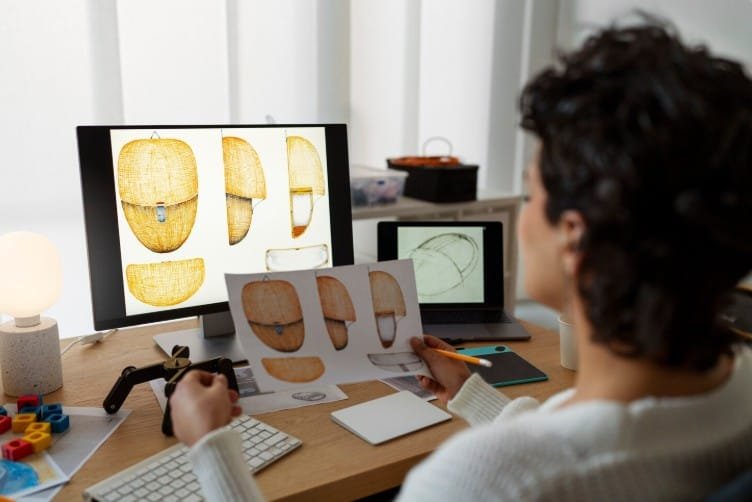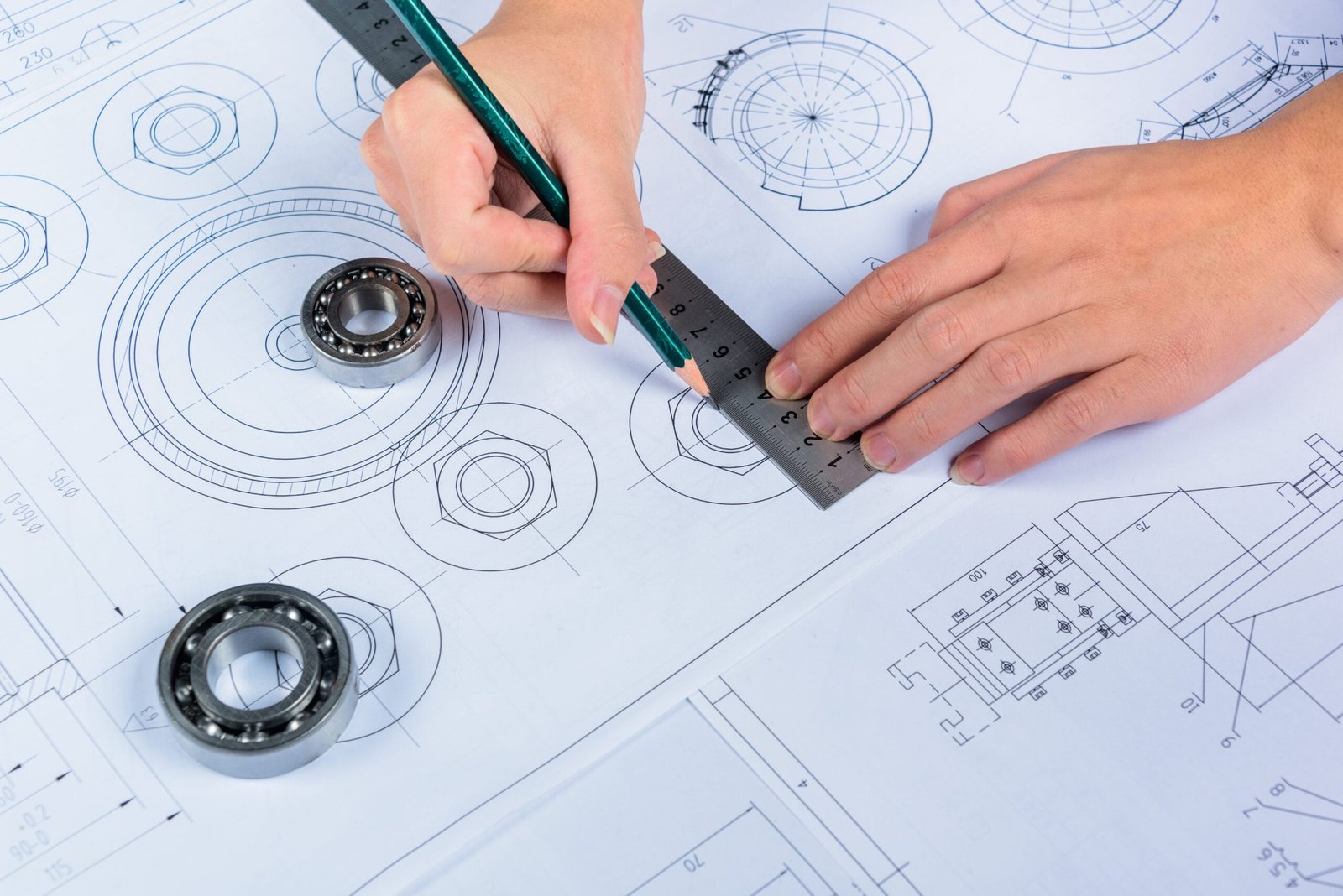
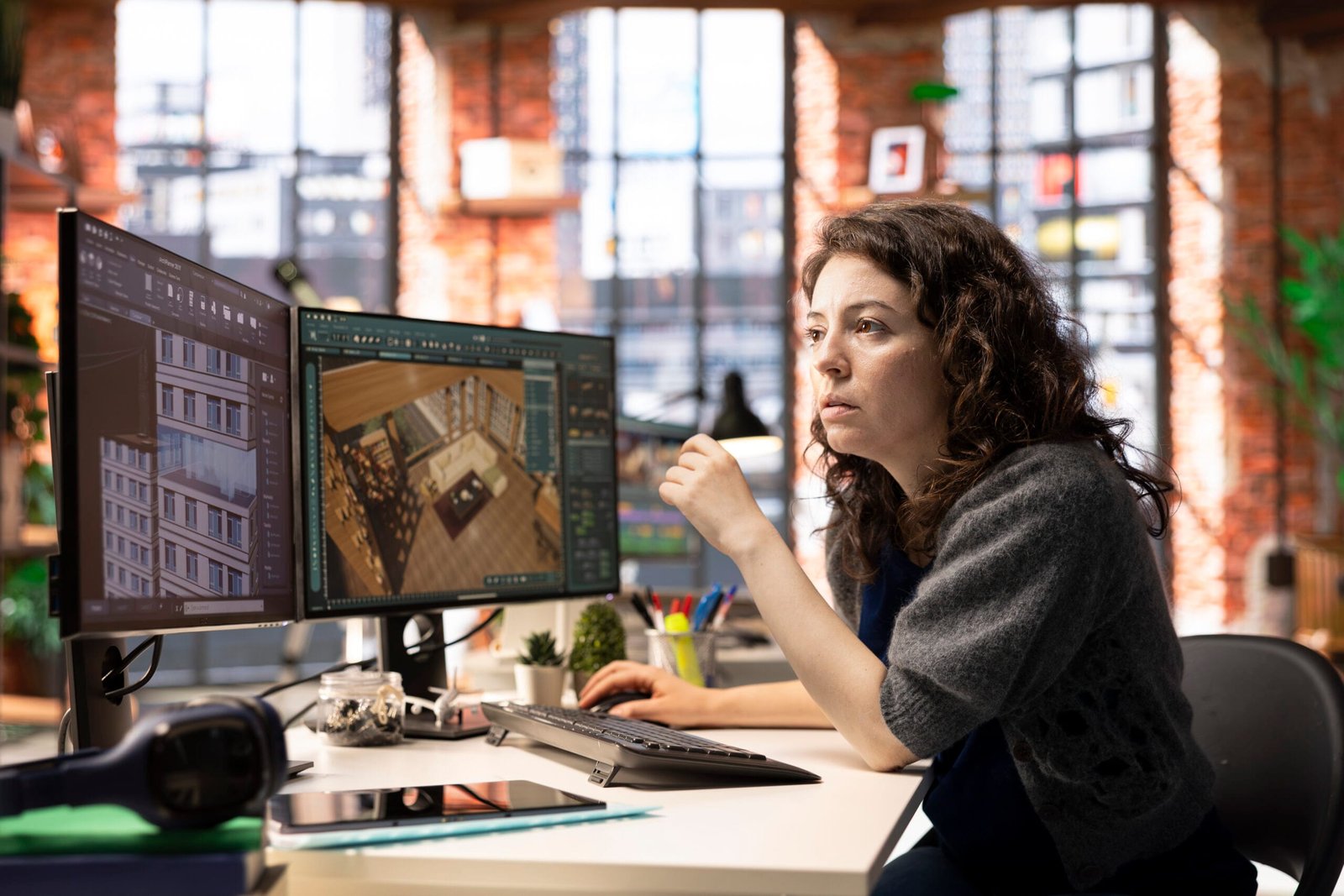

It is essential to understand 3D modeling techniques in modern digital design and engineering processes. These techniques define how three-dimensional objects are created, modified, and refined using specialized software. Depending on the purpose of the project, each method offers unique capabilities. 3D modeling has become more efficient and versatile with the advancement of technology. 3D modeling enables designers and engineers to produce accurate models. These models can be used for visualization, simulation, and manufacturing. At Design HOK, we use 3d modeling techniques for perfect models.

What are 3D modeling techniques?
3D modeling techniques create digital three-dimensional objects. 3D modeling techniques use different methods that determine how geometry is constructed, manipulated, and displayed in a virtual environment. Each technique has its own strengths and limitations.
There are certain factors, like complexity and intended application, that are crucial for the choice of technique. Efficiency in the design process can be improved by selecting the appropriate method.
Importance of 3D Modeling Techniques
In achieving accurate and high-quality designs, the use of proper 3D modeling techniques plays a significant role. Designers are allowed to create models that meet specific technical and visual requirements. They also help in reducing errors during development. Efficient modeling techniques improve workflow and save time. By adopting the appropriate approach, designers can complete projects more efficiently.
Types of modeling
Polygon Modeling
Polygon modeling is an extensively used technique in 3D design. It comprises creating objects using polygons. Polygon modeling is frequently used in animation. Designers are authorized to control the details of the model efficiently. However, accomplishing high precision can sometimes be challenging compared to other methods.
Solid Modeling
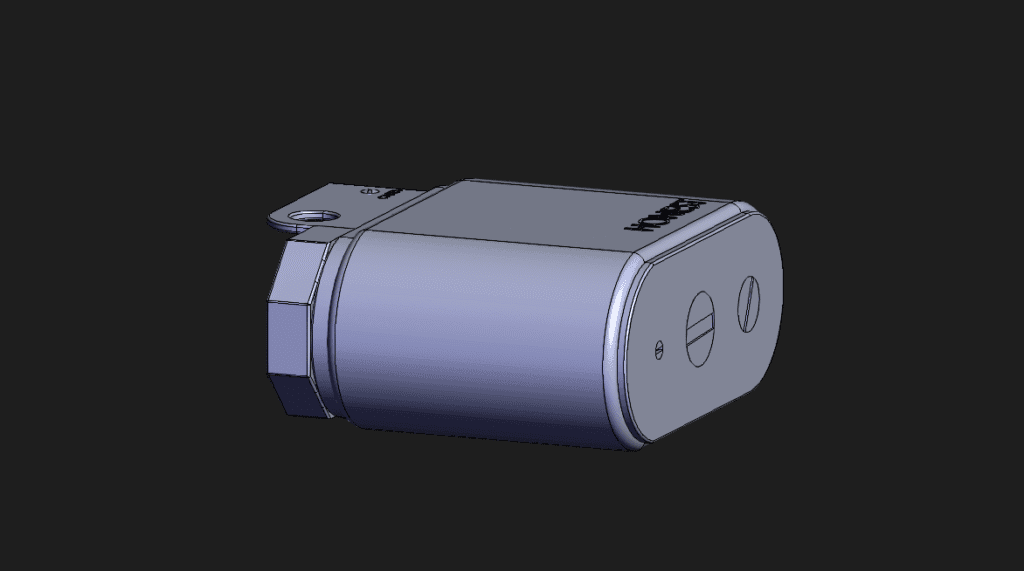
Solid modeling is all about making things that have a certain volume and physical properties. Engineers and manufacturers often use solid modeling. It makes sure that the model behaves like an event in the real world. Designers can check the size of models. This makes solid modeling very useful for use in industry.
Surface Modeling
To create smooth and complex surfaces, surface modeling is used. It is often applied in automotive and product design. This technique focuses more on the outer shape rather than the internal structure. Designers are allowed to create visually appealing and detailed models. To convert into solid models for manufacturing, it may require additional steps.
NURBS Modeling
NURBS (Non-Uniform Rational B-Splines) modeling is a technique used for creating highly accurate curves and surfaces. It is commonly used in industries that require precision, such as automotive and industrial design. This method provides smooth and mathematically defined shapes.
NURBS modeling allows designers to achieve high levels of accuracy and detail. It is particularly useful for designing complex geometries that require smooth transitions and curves.
Digital Sculpting
Digital sculpting is similar to sculpting clay, where the designer pushes and pulls the surface to create details. This method is commonly used in character design and animation.
The digital sculpting technique provides a high level of creativity and flexibility. It may not always be suitable for projects that require strict measurements and precision.
Procedural Modeling
Procedural modeling uses algorithms and rules and makes models. These algorithms and rules are predefined. Instead of making every detail by hand, designers use parameters to control the model’s structure. People often use this method in big places. Procedural modeling is very helpful for simulation projects because it saves time and keeps designs consistent across many different parts.
Applications of 3D Modeling Techniques
1. Engineering and Manufacturing
In engineering and manufacturing, 3D modeling makes precise parts for machines. These models help you look at function before production.
This helps prevent errors and increases the performance of the production mechanism.
2. Product Design and Development
In developing new products by creating detailed digital prototypes, 3D modeling plays a key role. Designers can test different ideas before manufacturing. It also enhances product quality.
3. Industrial Visualization and Rendering
3D modeling is used to create realistic visual representations of industrial parts. These visuals help in presentations, marketing, and client communication.
High-quality rendering makes it easier to understand design details and evaluate the final product.
4. CAD-Based Mechanical Design
3D modeling techniques create accurate CAD-based mechanical designs. Engineers use these models to ensure rigorous measurements.
This helps in maintaining flexibility and reliability in complex systems.
Advantages of 3D Modeling Techniques
3D modeling methods have a number of advantages for design and development.
- They make things more accurate, make it easy to change things, and make it easier to see.
- Designers can try out different ideas without being limited by space.
- 3D modeling saves time and money.
- These methods also cut down on the number of physical prototypes needed.
Challenges in 3D Modeling Techniques
Though there are various advantages of 3D modeling techniques, they also have some limitations.
Advanced skills and significant time to develop are required for complex designs. Managing detailed geometry can also be difficult.
Software limitations and hardware requirements can impact performance. To address these challenges effectively, continuous advancements are helping.
Future of 3D Modeling Techniques
By emerging technologies such as artificial intelligence and real-time rendering, the future of 3D modeling techniques is being shaped. These innovations are making the design process faster and more efficient. Industries are continuously adopting digital solutions. This adaptation of digital solutions will increase the demand for advanced modeling techniques. They also enable more realistic models.
Conclusion
For creating accurate and detailed digital models in modern industries, 3D modeling techniques are essential. Each technique offers unique advantages. It is suitable for different applications. In the selection of the right approach for a project, understanding these methods helps. 3D modeling will continue to evolve with ongoing technological advancements. For innovation, enabling better design, visualization, and manufacturing processes, it will remain a key tool.
FAQs
Q1: Which 3D modeling technique is best?
Polygon modeling is suitable for visual design. Generally, the best technique depends on the project demands. Solid modeling is ideal for engineering applications.
Q2: What is polygon modeling used for?
Due to the flexibility and ease of use of polygon modeling, it is commonly used in animation and visual design.
Q3: Why is solid modeling important?
Solid modeling creates accurate models with physical properties and makes it ideal for engineering and manufacturing.
Q4: What industries use 3D modeling techniques?
Engineering, architecture, healthcare, and manufacturing widely use 3D modeling techniques.
Q5: What is procedural modeling?
Models can be generated automatically in procedural modeling. It saves time and improves consistency. Procedural modeling uses algorithms and rules.
Q6: Can 3D modeling techniques reduce costs?
Yes, 3D modeling techniques reduce the cost and minimize errors.
3D modeling helps to lower overall costs.
Q7: What challenges are faced in 3D modeling?
Managing complex designs, requiring technical skills, and handling software or hardware limitations are challenges faced in 3D modeling, which can hinder the efficiency and effectiveness of the modeling process.
Q8: What is the future of 3D modeling techniques?
For faster and more efficient design, the future includes advancements in AI, real-time rendering, and improvements.