

Professional 3d Rendering
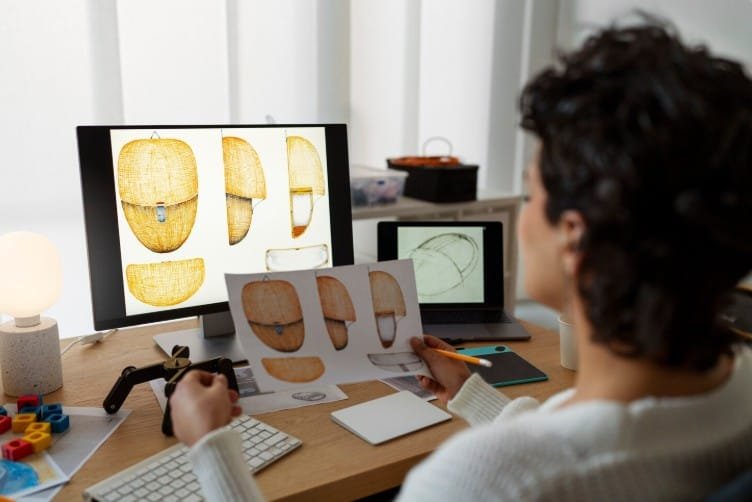
Effective visual communication plays an essential role in modern engineering. An explanation of 3D rendering is key to creating a realistic digital representation of the product. Rendering is the process of converting CAD models into realistic images that show shape, materials, lighting, and surface finish. 3D rendering is a professional method used by engineers to review products, collaborate, and present design concepts before manufacturing. The engineers will be able to enhance designs, avoid unnecessary changes, and develop products faster owing to the realistic product images.

The Process of Rendering
Rendering is the process of converting a 3D digital image into a true representation using a rendering application.
This process entails converting the 3D digital image into a true representation using a rendering application. Lighting, materials, reflections, shadows, and viewpoints are applied by the application to get quality visualizations without compromising the original engineering model’s accuracy. It becomes possible for engineers to view the products visually even before the manufacturing process. Design HOK provides professional 3d rendering for business.
Material Realism
Material definition is one of the most important aspects of professional 3D rendering. Engineering materials such as aluminum, stainless steel, plastic, rubber, and composite surfaces must accurately represent their real-world appearance. Realistic material settings help manufacturers, engineers, and customers understand the final product before its production.
Lighting for Highlighting Design
Quality professional lighting helps highlight design features without altering the original product design. Correct lighting adds depth, highlights details, and creates visibility of the product. Quality lighting helps engineering teams examine the product while creating high-quality pictures that can be used for documentation.
Visualization of Surface Finishes
Surface finishes are very important in product design. Professional 3D rendering helps present polished metal surfaces, brushes, coating finishes, plastics, and other types of materials. This helps engineers make informed design decisions.
Product Evaluation and Review
Engineers make use of renderings when it comes to reviewing the quality of products before manufacture. Realistic images assist in ensuring the consistency of design and checking whether the elements fit into one whole picture.
The knowledge of what 3D rendering is gives the ability to utilize digital visualization as a means of evaluating design.
Improving Communication with Clients
Drawings and models can hardly be understood by the unfamiliar. The process of project discussion gets greatly facilitated thanks to the professional rendering of an engineering design into a realistic visual representation.
It will contribute to improving clients’ confidence and accelerating the process of getting approval.
Preparing for Manufacturing
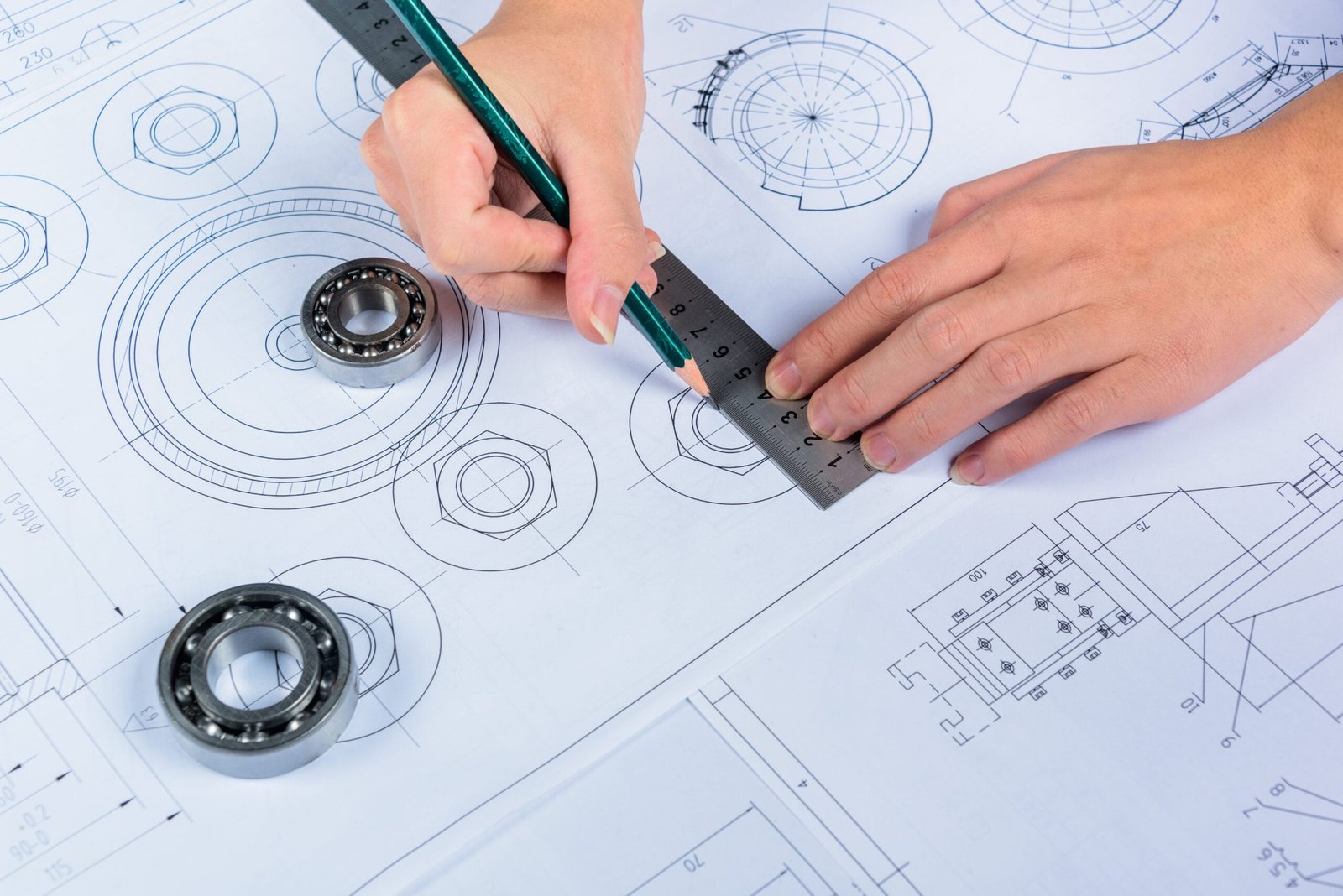
Before production begins, there should be a clear visual understanding of the final product. Photorealistic renderings complement engineering drawings by serving as accurate visual references. This additional level of visualization helps prevent misinterpretations and reduces the risk of manufacturing errors.
Industrial Engineering Applications
Professional 3D rendering is widely used across mechanical engineering, industrial equipment development, machinery design, product development, manufacturing support, and engineering documentation. It allows organizations to present products professionally while improving technical reviews and project planning.
Rendering is a versatile technique that becomes an important engineering tool for creating production-ready products and communicating mechanical design ideas.

Future of Engineering Visualization
Further advancement in cloud collaboration and rendering technologies will continue making engineering workflows even better and faster. Rendering will facilitate the creation of good-quality product visuals faster while increasing collaboration within the process. Engineering projects getting more and more digital will result in continued support of engineering projects by rendering in terms of visualization, effective design reviews, and preparation for manufacturing.
Conclusion
Knowledge about 3D rendering allows engineering professionals to visualize engineering products in digital form and helps with communication, design review, and manufacturing preparation. Professional 3D rendering will provide an accurate visualization of engineering products before their production.
FAQs
1. What is a 3D rendering?
A 3D rendering is a photorealistic image derived from a 3D CAD model used to simulate the product before manufacture.
2. Why do people use professional rendering?
Because digital images, visualization, communications, and engineering decision-making are greatly enhanced.
3. Which programs produce renderings?
Professional rendering software lets one create images from CAD models with materials, lighting, and camera settings.
4. Why are materials important?
Proper materials allow depicting the actual look of engineering products before their manufacture.
5. Why can lighting be useful for renderings?
Lighting allows accentuating product parts and creating realistic engineering visualizations.
6. How does rendering help the client?
They help communicate engineering ideas in an easily understandable manner to clients who are unable to interpret engineering drawings.
7. How does rendering help in the manufacturing process?
These drawings are visual guidelines that complement the engineer’s documents to enable fabrication and manufacturing processes.
8. In which industries is 3D rendering employed?
Industrial design, mechanical design, manufacturing process: industrial equipment, product development, industrial manufacturing, machinery design.