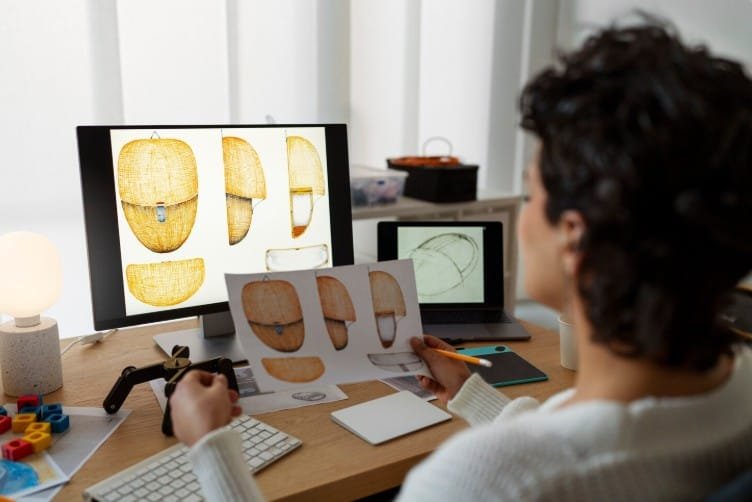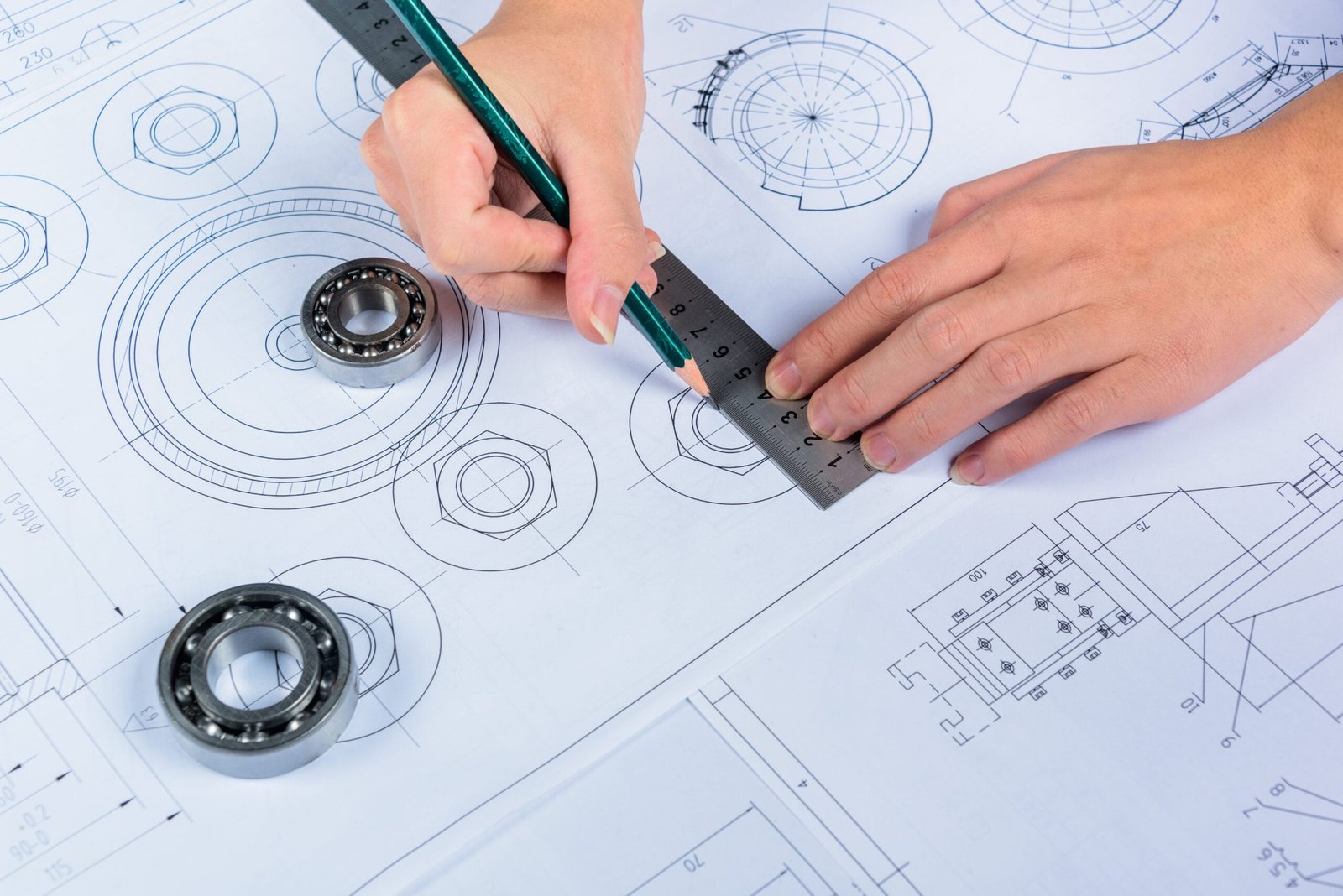


3d modeling design has revolutionized the engineering design process for products. Not only do engineers use the conventional design method through drawings, but they have also adopted intelligent 3D modeling design that facilitates accuracy in design, modification, and manufacturing preparation of products. Modern 3D modeling design for product design provides engineering firms with the opportunity to design mechanical parts, equipment, and assemblies with precision in terms of dimensioning and engineering design standards.

Design Process
Every successful product begins with a structured design process. First, engineers outline the product specifications, come up with the concepts, and build digital prototypes that reflect the end product. This way, design changes will be made before production, and time will be saved while reducing the risk of errors during production. Using the correct procedure for 3D design modeling, there is no doubt that the product specifications will certainly be met from the outset.
CAD Modeling
CAD modeling involves taking engineering ideas and turning them into intelligent 3D designs that have accurate geometrical and dimensional information. The engineers develop components that can be changed, checked, and manufactured without having to redesign the entire thing. Using professional 3D modeling design software for product design involves advanced modeling capabilities, which increase flexibility in design while preserving engineering accuracy throughout the project.
Parametric Design
The parametric approach enables engineers to manage dimensional aspects and relationships within their CAD designs. Once a change is made to one feature, all the related features are automatically updated in accordance with the initial design. This makes 3D modeling design in the design process much easier and saves engineering time, as there is no need to repeat any actions performed during product development.
Mechanical Components
Products designed for industrial use have several engineered components that should fit perfectly. Engineers apply digital modeling to design such components as brackets, housings, shafts, covers, frames, fixtures, and other special mechanical parts. Dimensional accuracy of component models improves the assembly process and provides reliable engineering information for manufacturing and inspection.
Assembly Design
Assembly design involves assembling individual mechanical components into a complete product. At this stage, engineers check whether all parts will align properly and have the necessary clearances, movements, and relations before going into production. By designing products in 3D modeling design software, assemblies can always be easily connected with the respective individual parts. Design HOK provides professional 3d modeling design for perfect modeling.
Surface Modeling
Many industrial products require complex shapes that cannot be created using basic solid features alone. With surface modeling, engineers can create smooth geometry while retaining control over the aesthetics and functionality of the final product. The benefit of this technique is particularly evident when creating consumer products, industrial machinery, machine covers, and engineered enclosures.
Engineering Drawings
When the model is created digitally, engineers prepare engineering drawings to use in the process of production. Such engineering drawings contain all the necessary information related to the dimensions, tolerances, notes, sectional views, and assembly data. The accuracy of drawings helps to make sure that all departments have the same technical information at hand to avoid mistakes during the process of manufacturing.
Manufacturing Preparation
Before the start of the manufacturing process, engineers check whether CAD models are ready to be machined, fabricated, assembled, or produced in any way possible. Dimensions, materials needed, and assemblies are checked to avoid manufacturing errors. The preparation of the 3D modeling design helps to optimize the manufacturing process and avoid revisions during production.
Product Visualization
Realistic product visualization allows engineers and stakeholders to review a product before it is manufactured. Good-quality digital models enhance the technical presentation, design review, and product assessment with a full understanding of the final product. With the help of 3D modeling design software for product design, engineers are able to share their ideas and make well-informed decisions before starting any manufacturing process.

Applications in Industry
Digital modeling design for product development is applied extensively in the fields of mechanical engineering, industrial machines, consumer goods, manufacturing equipment, automotive parts, sheet metal products, fabrications, and custom product development. Engineering firms make use of 3D modeling in design to enhance the quality, cooperation, and process of the development of the product. The professional CAD models can be used not only for designing but also for engineering documentation, manufacturing planning, and visualization through the whole product lifecycle.
Trends in the Future
Collaboration, engineering processes, and 3D CAD technologies are enhancing the digital product development process continuously. With these new technological advances, engineers have more efficiency in managing their projects with accuracy and consistency from concept to manufacture. With the rise of digital manufacturing, 3D modeling for product design is assisting engineers in accelerating development, collaboration, and engineering solutions.
Conclusion
3D modeling is very important in today’s product development since it allows engineers to produce exact and production-friendly designs. The design quality, easy revision of the design, collaboration, and effective production planning are facilitated by this design technique. The use of 3D modeling software in the design of a product allows an organization to produce quality mechanical products.
FAQs
1. What is 3D modeling design?
It’s the process that results in a highly accurate CAD model that the team will use in their designing and manufacturing process.
2. Why is CAD modeling essential?
It makes designs more accurate, allows easy modification, and ensures accurate data for production.
3. What is parametric design?
Parametric design links dimensions and model features so engineering changes update automatically.
4. Why is assembly design necessary?
Assembly design demonstrates how the parts fit together, align, and move before manufacturing.
5. What is surface modeling?
Surface modeling is a technique that enables the creation of complex product shapes using smooth, accurate geometry for engineering purposes.
6. How do CAD models support manufacturing?
These models give correct geometrical and engineering data that are needed in machining, fabricating, and assembly operations.