
Mechanical System Design
Mechanical system design is an engineering process in which interlinked mechanical components are designed to accomplish a particular task. Mechanical systems are designed to provide reliable operation, efficient performance, safety, and durability in industrial applications. The modern industries rely on mechanical systems for manufacturing machines, industrial equipment, automation solutions, manufacturing processes, and consumer products. By combining engineering principles with advanced design techniques, an organization can create mechanical systems that meet functional specifications and support efficient, economical production and maintenance.
Importance of Mechanical System Design
Mechanical system design is vital for a product or device to function properly. A well-designed mechanical system enhances the reliability of a device or machinery. It reduces the likelihood of operational failure and improves overall performance. Design HOK provides advanced mechanical system design for your product.
An effective mechanical system design will reduce a product or device’s maintenance requirements, save energy, and help optimize the manufacturing processes, helping an organization save a lot of money. By solving design problems at the very beginning of development, companies save a lot of money that they could otherwise spend to rectify faults at a later stage.
Requirement analysis and system planning
A good mechanical system will first begin with thorough requirement analysis and system planning. Before any design begins, an engineer is able to determine functional objectives and expected performance levels along with specific environmental conditions, safety needs, and technical limits. This is the basic foundation of all engineering design decisions and can serve as confirmation that the end product meets project objectives.
Component selection and system integration:
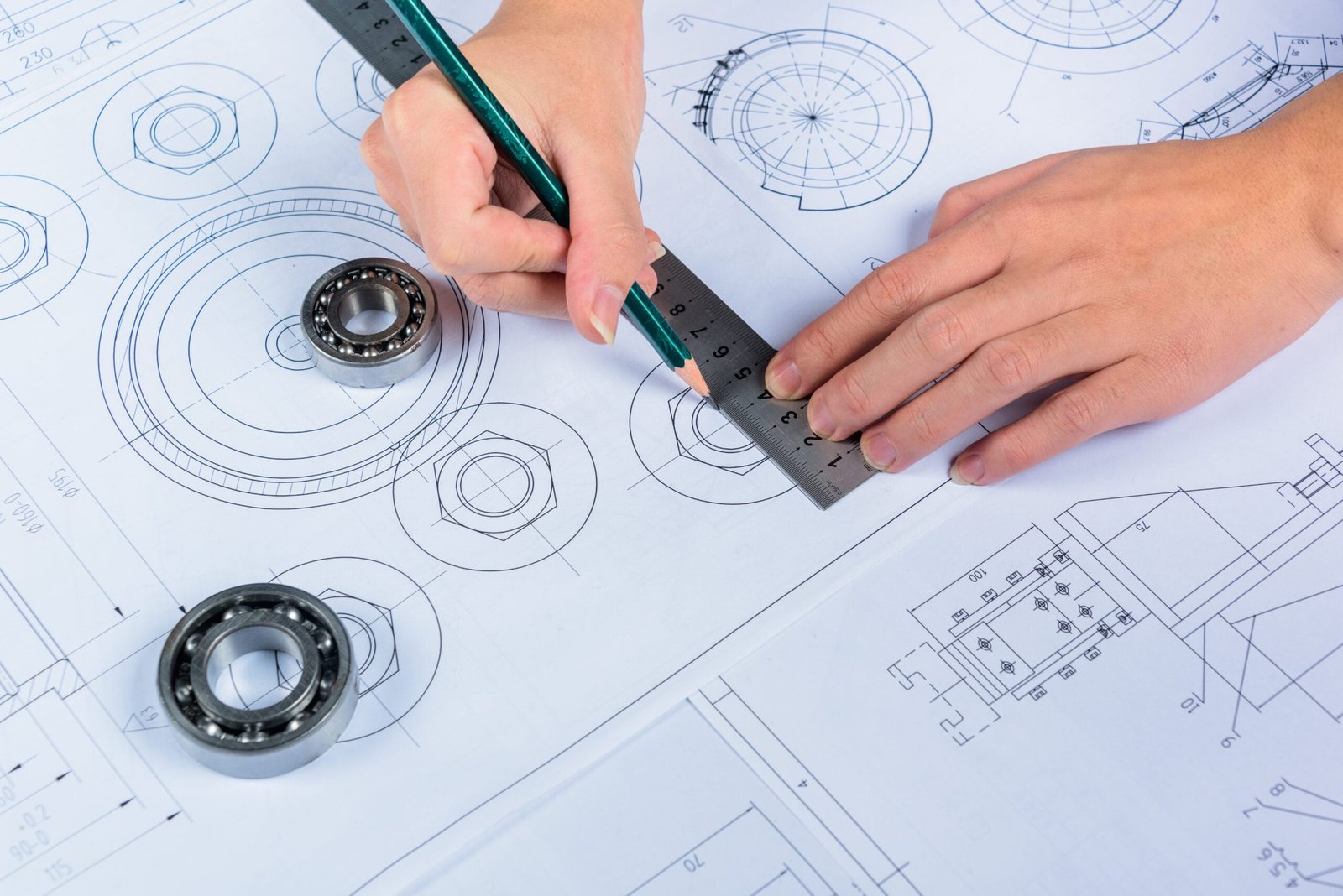
Usually, a mechanical system consists of multiple interconnected components such as gears, shafting, bearings, housings, fastenings, and controls that are all necessary for a mechanical system to perform. Sound component selection brings about good operating life and reliable system performance. Compatibility, load requirements, efficiency, and life are all important considerations for an engineer when linking components within a mechanical system.
CAD modeling and digital design development:
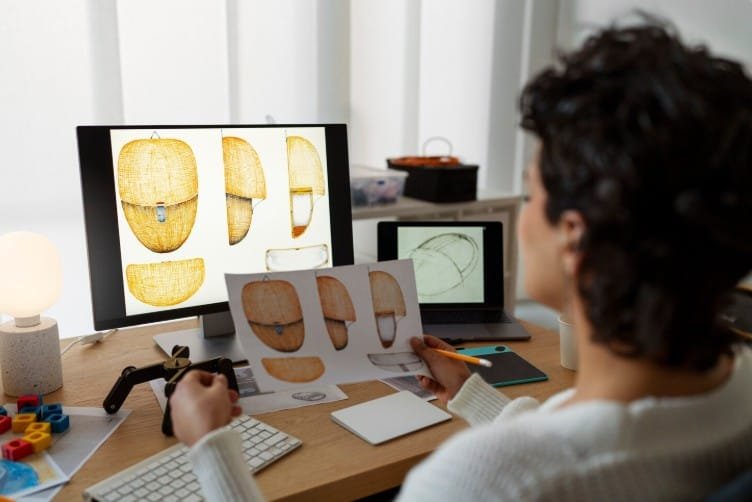
Most modern mechanical systems use a computer-aided design program that can create 3-dimensional models. Using CAD, it is easy to get an overall representation of the structure of the mechanical system and check how the different parts relate to each other; it is easier for engineers to optimize the design without manufacturing. This is crucial for producing designs that are dimensionally accurate and serve as an effective blueprint for performing an array of engineering tests on a system before it can be brought into the real world for actual production.
Engineering analysis and performance evaluation
Engineering analysis is an integral aspect of mechanical system design and entails performing various tests and simulations in order to evaluate how well a system performs. A system is analyzed to understand load characteristics, structural performance, and the way in which its movements will behave. Analyzing mechanical systems through the use of simulators and analytical programs helps engineers detect weak spots in a system, refine its performance, and eliminate potential issues that may result in the system’s failure.
Design for Manufacturing and Assembly
The most effective designs are not those that are simply capable of carrying out a required task, but those that are economically produced and assembled. DFMA is an engineering principles that allow engineers to fine-tune the production process to reduce costs whilst reducing the time required for assembly, and product quality remains constant. This design method will help streamline the production process.
Prototyping and system validation
The purpose of prototyping is to be able to test a mechanical system design prior to producing the finished system. The performance and reliability of the final system and how well the system is designed to fulfill its function are assessed with the information gained from the physical prototype itself or from analysis on a digital prototype. This will then result in optimizations and improvements, which will in turn decrease the risks that come with the design and production of a new system.
Mechanical System Design in Product Development
The mechanical system design process plays an extremely important role in product development, ensuring the development of a concept design to the creation of a fully produced mechanical system capable of functioning correctly within a manufacturing environment. Mechanical systems designers help to facilitate the verification of the design, communicate technically with fellow engineers, and ensure appropriate preparation is made before producing and integrating the system.
Benefits of Mechanical System Design
Professional mechanical system design offers a vast range of benefits, including better product reliability, greatly increased product performance, significantly less maintenance required for the system, and increased production efficiency. Benefits also include better use of resources, longer product lifespans, increased performance consistency in many different industry applications, and improved quality.
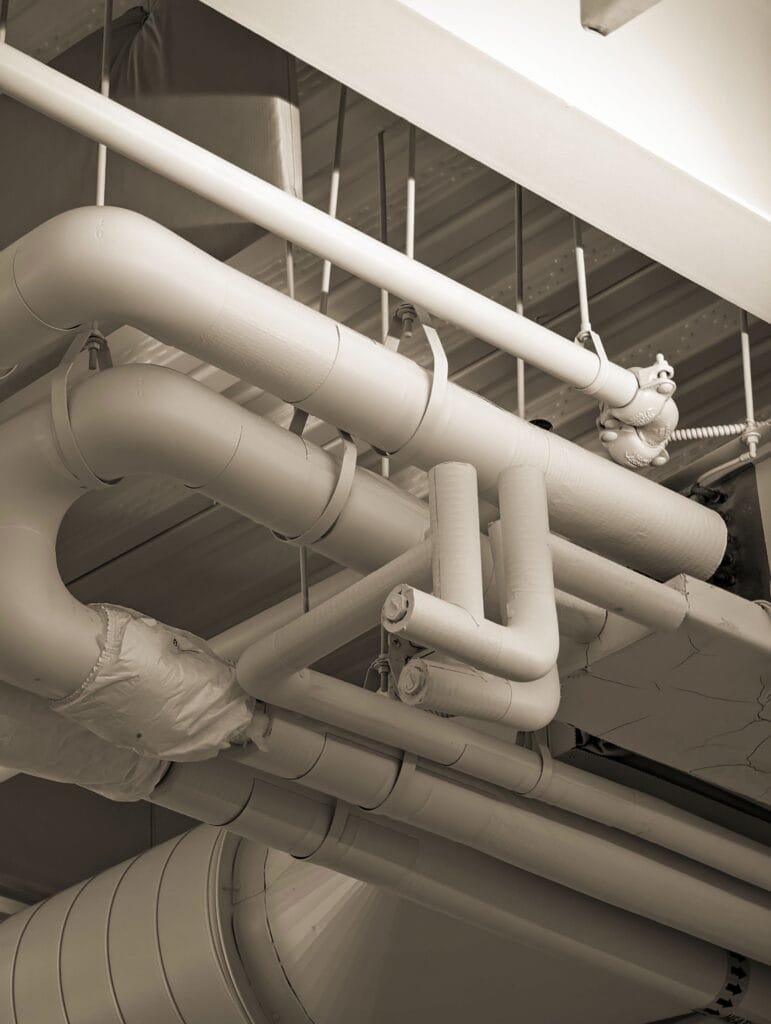
Mechanical System Design for Industrial Automation
In an industrial automation project, the role mechanical systems design plays is a very important one, as the machine or mechanical system needs to operate effectively in a precise, reliable manner. Engineers design automated moving, handling, or production systems as well as develop methods for optimum productivity using the designs that they have created. This design method will improve productivity, decrease system downtime, and increase overall production effectiveness while keeping a strong level of performance maintained in all industries.
Future of Mechanical System Design
Mechanical systems design is an evolving engineering discipline where design for manufacturing tools powered by AI, simulations, collaboration platforms accessible via the internet, and high-tech production techniques are being utilized to produce ever more productive systems and to cut down on design time. As many industries continue to embrace a digital design approach, mechanical systems design will remain integral to further innovation within engineering and industry.
Conclusion
Mechanical systems design is an engineering discipline involving the development of efficient, reliable, and effective mechanical systems for modern industry. The integration of knowledge, digital design techniques, analysis, and manufacturing processes within mechanical system design allows for a high-performing, well-produced system. The various areas of mechanical systems design allow for assistance from the requirement analysis to the actual product realization and support mechanical systems in product development and engineering innovations.
FAQs
1. What is mechanical system design?
Mechanical system design is the engineering process of creating interconnected mechanical components and assemblies that work together to perform specific functions efficiently and reliably.
2. What is the importance of mechanical system design?
It guarantees safe, effective, and reliable use of products and equipment with the necessary performance and manufacturing aims.
3. What industry sectors use mechanical system design?
Mechanical system designs are used in manufacturing, automotive, industrial equipment, aerospace, robotics, energy, automation, etc.
4. What is the mechanical system design process?
The mechanical system design process comprises requirements analysis, conceptual design, CAD design, engineering analysis, prototype creation, verification, and design documentation.
5. In what ways does CAD help mechanical system design?
CAD helps engineers to create precise digital models of the parts, learn about part interaction, and finalize them before the physical creation of the parts.
6. In what ways does engineering analysis help system design?
Engineering analysis helps determine the system structures, load situations, movement patterns, and its working performance.
7. What are the roles of prototyping in mechanical system design?
Prototyping is the process through which the designers can test operation, identify possible errors, and check system performance before actual production.