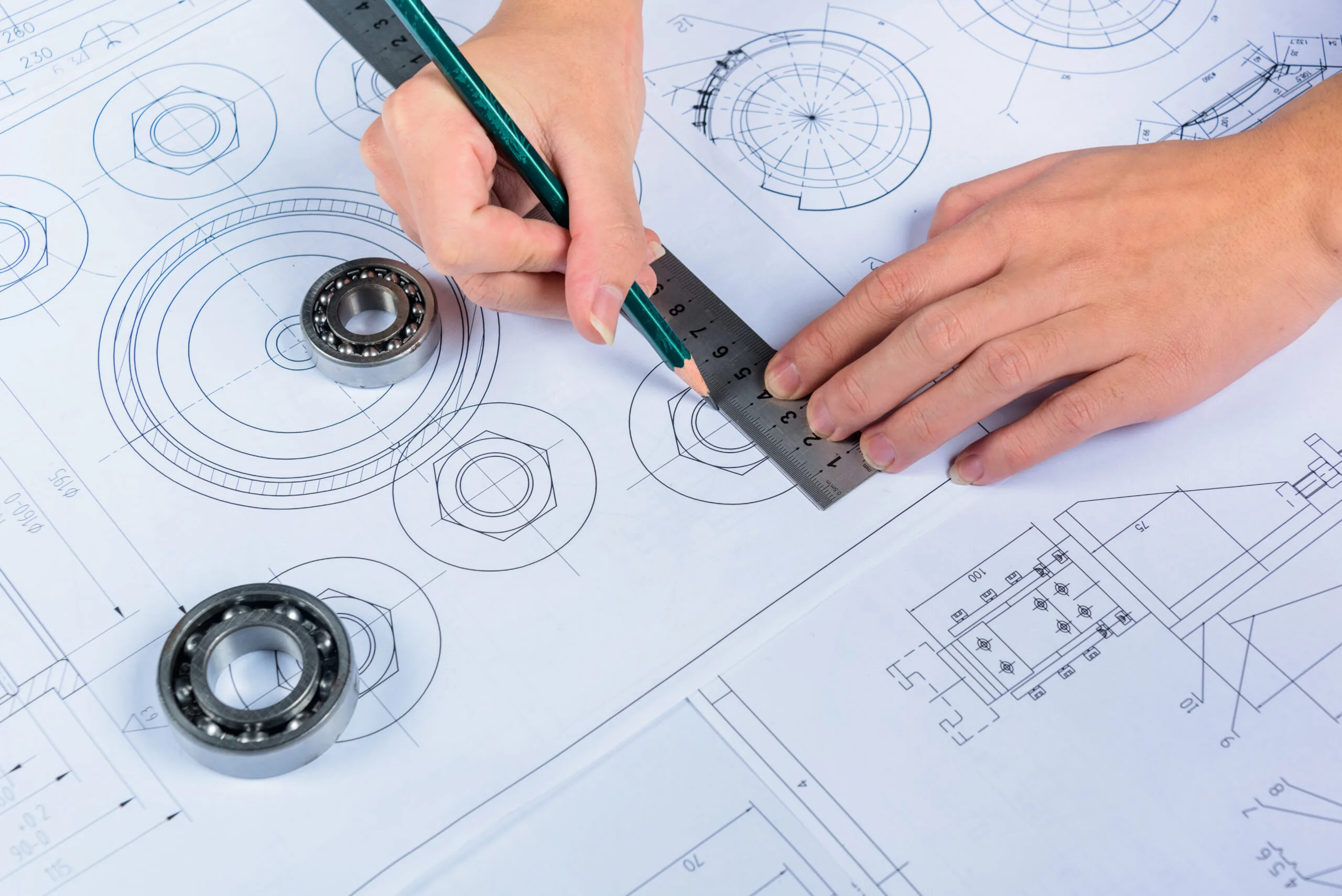

Before any machine part is ready for manufacture, it needs to have an accurate drawing made. 2D drafting on machine parts is used to get information on the dimensions, geometry, and features of the part. CAD drawings are used to give professionals an idea of how the machine part should be manufactured.
Why 2D Drafting?
Small but significant details might be present on a particular part. If the dimensioning or description is wrong, then the manufacture of that part will not proceed properly. The purpose of 2D drafting in machine parts is to provide information in an organized way. The information provided is exact rather than based on assumptions.
Part Geometry
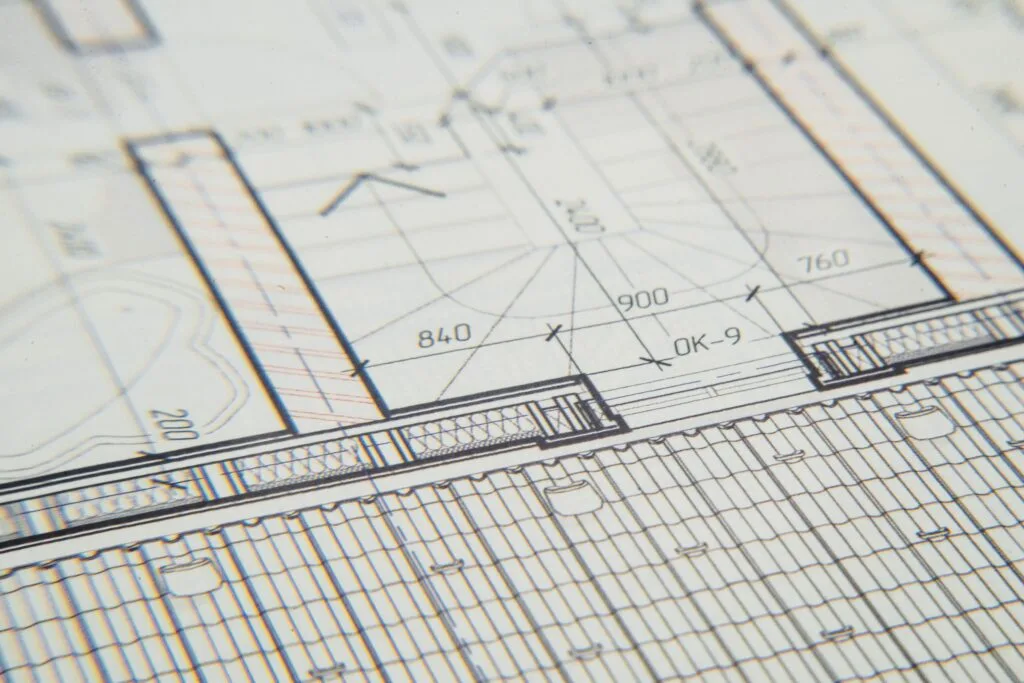
Every machine part has its own geometry, whether it is a simple bracket or a complex industrial component. CAD drafting depicts geometry by means of exact lines, views, and dimensions. There can be different views in the CAD drawing, which can show some aspects that may not be visible in a single direction. This makes the part easy to comprehend even before its production.
Detailed Features
There are several different parts that make up machines, including holes, slots, grooves, threads, curves, cuts, and mountings. Most of these usually have exact specifications and technical descriptions. With CAD drafting, all these aspects can be detailed individually. This will help manufacturers comprehend the design without any confusion.
Reverse Engineering
Original drawings are not always available for older or existing machine components. Reverse engineering can help recreate these parts as accurate digital CAD information. Measurement data of a physical component can be used to generate drawings and models. The digital files can further be used to manufacture replacements and redesign and document them.
Replacement Parts
The new parts must fit perfectly with the sizes and connections of the present machines. Good technical drawing is essential to clearly express such requirements. Drafting machine parts in two dimensions can be used for recording replacement parts when there are no updated engineering drawings. Design HOK gives an oppertinuty of exploring 2d drafting in machine parts.
2D and 3D CAD
The difference between 2D drawings and 3D CAD models lies in the type of information each one provides. The 3D model contains all the geometry information, whereas the 2D drawing has all the manufacturing information. Both have their own advantages, and, therefore, using both is helpful in having a better engineering process. 2D drafting in machine parts is necessary for perfect modeling.
Manufacturing Support
Manufacturers need accurate information to produce mechanical components correctly. Drawings may include dimensions, tolerances, material information, and any other pertinent requirements. The use of 2D drafting for machine parts helps to bridge the gap between the design process and manufacturing. 2D drafting in machine parts helps in business.
Quality Inspection
Technical drawings can further be used to carry out inspections after the manufacturing process is done. The finished product can be checked according to the tolerances stated on the approved technical drawing. This will enable the inspector to have something to compare the part with to determine if it meets the requirements. 2D drafting in machine parts is important for fabrication.
Custom Components
Industrial projects often require components designed for specific applications. Sometimes standard components do not always have the exact specifications required. The creation of custom CAD drawings can include brackets, housings, shafts, fixtures, covers, and many other mechanical components. Each drawing can be drawn to meet the requirements of the project.
Clear Communication
Engineering projects often involve designers, engineers, manufacturers, and clients. Technical drawings give everyone a shared reference for discussing a component. Clear CAD documentation can make design approvals and manufacturing discussions easier. It also helps reduce confusion when several people are involved in a project.
Engineering Workflow
2D drafting in machine parts can be used at different stages of a mechanical project. It might be useful for preliminary documentation, reverse engineering, redesigning, manufacturing preparations, or inspection. The process of combining drafting with 3D modeling, as well as all other CAD services, helps keep engineering data uniform.
Design Verification
The drawing of the machine part could undergo scrutiny before being sent to the shop floor for manufacturing. Such scrutiny can help in detecting any documentation problems while the design is still on paper. It provides the engineers with the chance of improving the drawing and ensuring that the link between the design and the actual manufacturing specifications is clear.
Part Standardization
Consistent drafting practices can make engineering documentation easier to manage across different machine components. Standard practices in terms of representation, symbols, measurements, and notation will result in a better organized drawing set. Such an approach will be particularly helpful when dealing with projects that include many related parts.
Future of CAD
Modern engineering workflows increasingly connect 2D drawings with 3D models and digital manufacturing processes. It makes the transfer of design data from one project stage to another much easier. With increased digitization of mechanical engineering, CAD documentation is expected to continue playing an important role in the development of machine parts, manufacturing, and improvements.
Conclusion
2D drafting of machine components ensures precise communication of the geometry and requirements of each component. This helps in making custom-made parts, replacement parts, reverse engineering, manufacturing, and inspections. In addition to 3D CAD modeling and engineering documentation, drafting makes a better product development process. Design HOK offers CAD solutions focusing on engineering.
FAQs
1. What is 2D drafting?
2D drafting offers the actual CAD drawings representing the dimensions, geometry, and features of the components designed.
2. What are the components that can be drafted?
The brackets, shafts, housing, fixtures, frame, covers, and many more mechanical components can be drafted using CAD drafting.
3. Is there any possibility of drafting the existing parts?
Yes. Reverse engineering can be applied to create CAD drawings for any physical machine component.
4. Why are dimensions required?
The proper dimensions help in manufacturing the components as per their design requirements and fitting them in the assembly.
5. Is there any scope of drafting the custom parts?
Yes. Custom parts can be drafted based on engineering and manufacturing requirements.
6. Does 2D drafting go well with 3D CAD?
Yes. It is possible that 2D drawings and 3D models will complement each other in terms of visualization and manufacturing data.
7. What role does drafting play in assembling machines?
It enables knowing the precise dimensions of individual parts and their connection to each other so that the parts will cooperate properly during assembly.