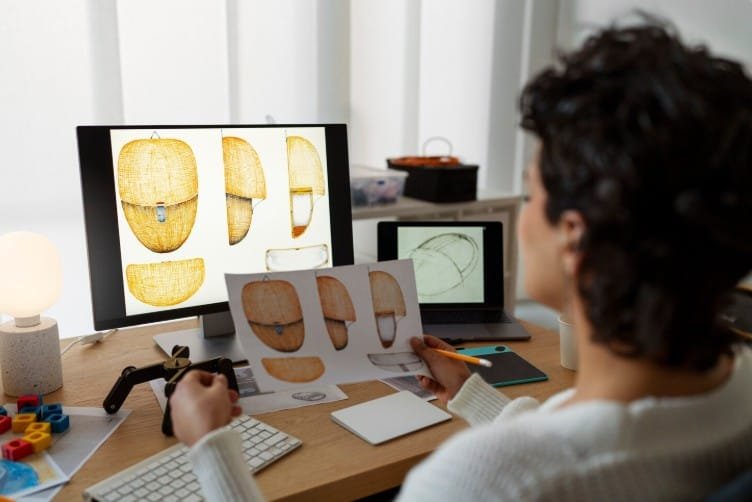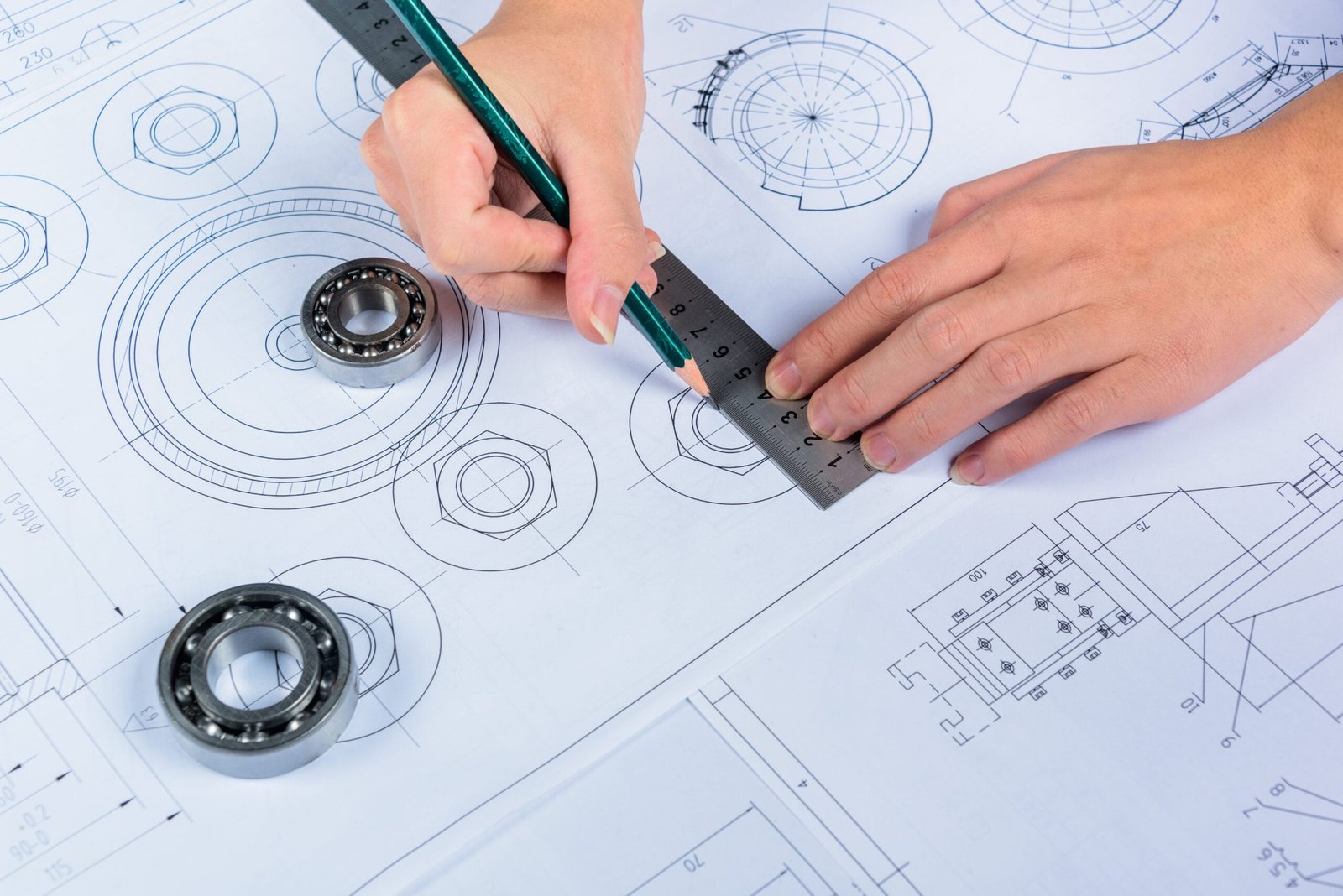
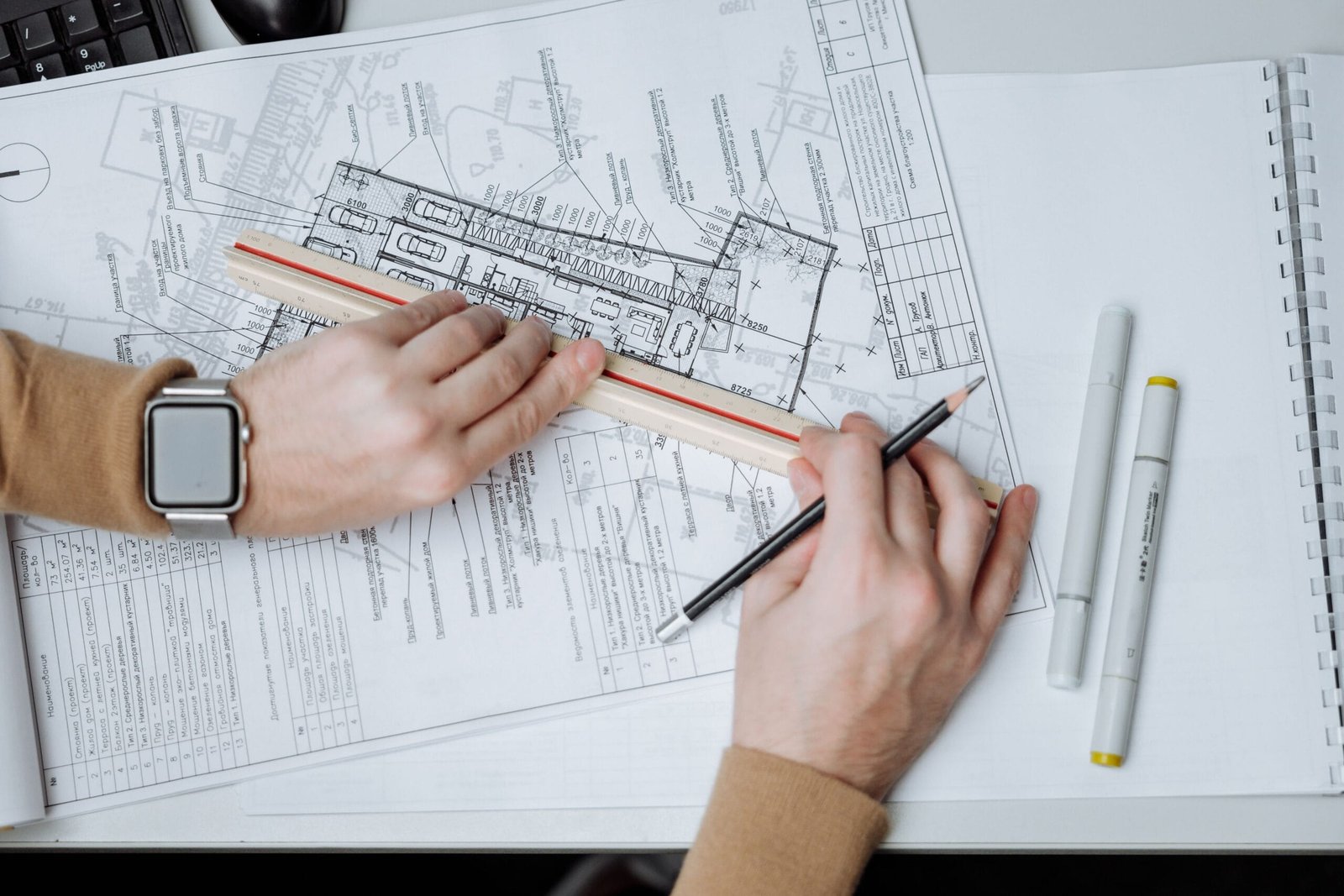

2D Drafting and Engineering Parts is just like a spine for every product manufacturing. Technical drawing is of great importance in developing and manufacturing mechanical products. 2D drawing and engineering components offer information on the dimensions, geometries, specifications, and requirements of the components digitally. Proficient drafting using CAD is vital in transforming engineering ideas into drawings that are ready for review, modification, and manufacturing. It creates a link between designing and manufacturing.
Engineering Parts in CAD
For engineers to communicate their ideas in order for their designs to be manufactured, they must make use of drawings that have a precise form of representation. The components include brackets, housings, shafts, covers, frames, and fixtures, among others. All these different components can be represented individually using their particular engineering needs. Design HOK provides 2d drafting and engineering parts guide for product manufacturing.
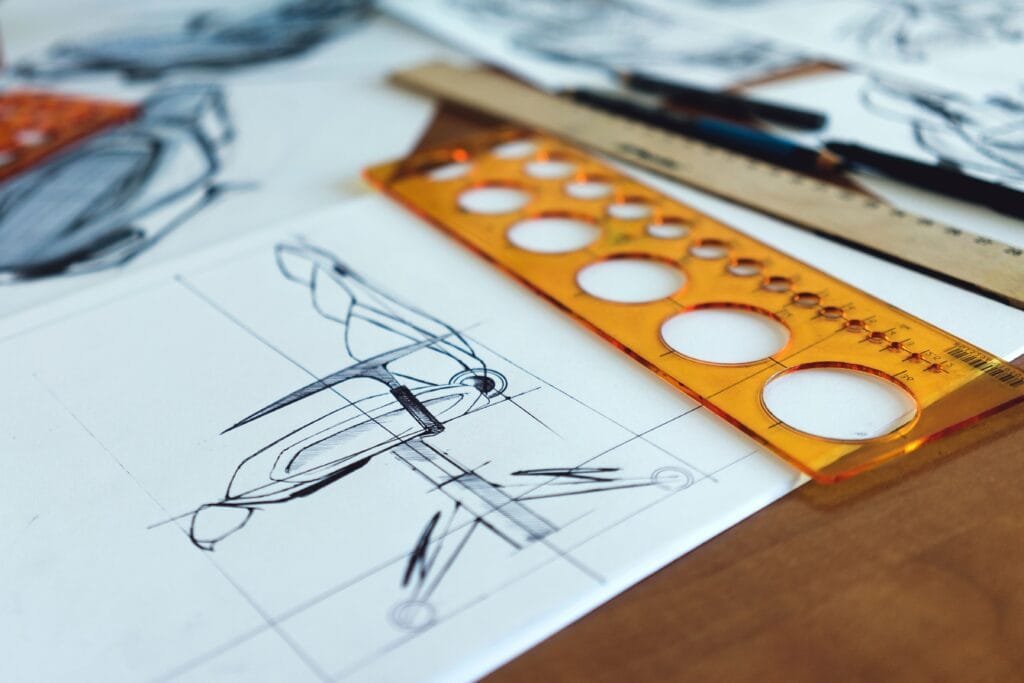
Technical Drawing Development
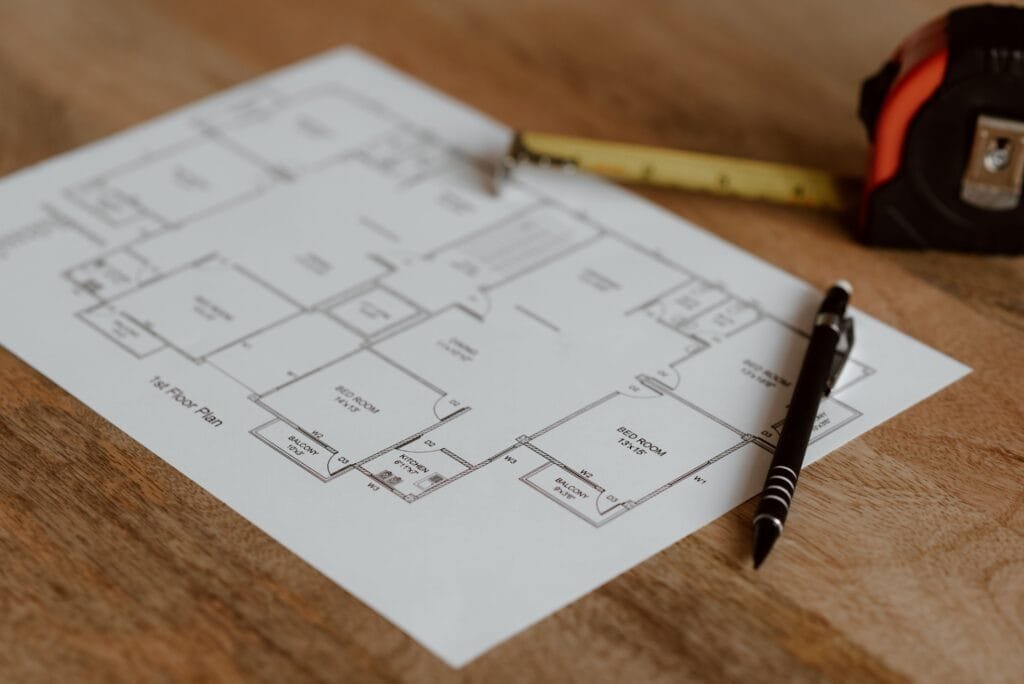
Technical drawings provide manufacturers with important information about a component. They can include dimensions, tolerances, annotations, section views, and other specifications. A well-prepared drawing helps production teams understand how a component should be manufactured. It also provides a useful reference for checking the final part against the approved design. 2d drafting and engineering parts contributes in quality product manufacturing.
Importance of Accurate Dimensions
Dimensions are one of the most important elements of an engineering drawing. Incorrect dimensions can affect the manufacture of the component and the assembly. The professional approach of CAD drafting gives much more freedom with regard to dimensioning and geometry. It enables engineers to verify dimensions before completing the drawing.
Engineering Documentation
Engineering projects may involve more than one drawing. Different parts, assemblies, and revisions require systematic documentation so that project information will remain consistent. Documents that have been prepared using the help of CAD software are useful in updating drawings and keeping correct engineering documents. This can be especially useful for projects involving different parts. 2d drafting and engineering parts make easy the creation of product development.
2D and 3D CAD
Both 2D drafting and 3D modeling are complementary during the process of product development. While the 3D model contains all the geometry data on the part, the 2D drawing contains all manufacturing details. Combining the two approaches will help engineering teams better visualize and document the design.
Reverse Engineering
Reverse engineering can be used when original CAD files or technical drawings are unavailable. The existing physical components can be quantified and converted into digital CAD data. This will assist in part replacement, redesigning, modification, and engineering documentation changes. This provides a practical solution to aging and undocumented parts.
Design Modifications
Engineering specifications may alter during a project. Components may need new sizes, features, or modifications that would make them more functional or easier to manufacture. The CAD drawing will be easy to update should changes take place. Keeping all revisions organized also helps to ensure that the manufacture team has the most up-to-date specifications.
Assembly Documentation
Individual engineering parts often form larger mechanical assemblies. Assembly drawings show the interaction between different components and also indicate their placement in the entire system. These help the engineers or the manufacturers in understanding the relation between the components.
Custom Engineering Parts
Standard components may not always meet the requirements of specialized projects. Custom-engineered parts may be created based on their particular measurements and requirements. The process of 2D CAD drafting is useful in this regard since it allows the precise representation of these custom-engineered parts.
CAD for Manufacturing
Engineering information plays an essential role in manufacturing. It is through CAD drafting that the team working on the manufacture can know what they need to fabricate. CAD drafting is a very significant element in an engineering process for production. This is because proper documentation eliminates unnecessary communication during manufacturing.
Product Development Support
CAD drafting contributes to several stages of product development. Concepts can be developed into detailed components, documented through technical drawings, and prepared for manufacturing. This integrated process assists in ensuring consistency between the design information and production requirements. It also makes it easier to manage changes throughout the project.
Quality and Inspection
Technical drawing may contribute to quality control through the provision of measurable requirements that should be met in order to produce parts. Comparing dimensions and tolerances to those of the completed part is possible during the inspection process. A properly documented design allows an inspection team to have a benchmark while inspecting a part.
Benefits of Professional CAD Drafting
Engineering drawings help create precise and systematic documents for engineering purposes. It will assist in better coordination between the designer, engineer, manufacturer, and client. Detailed drawings will make future changes easier. As long as the original information about the design is well documented, engineers can use this information for future revisions.
Industrial Applications
Drafting and engineering services using 2D CAD can cater to a variety of industry segments and projects. These services include industrial parts, mechanical machinery, product design, manufacture of parts, and custom engineering solutions. The same process flow of CAD is customizable for different types of components and projects. Hence, technical drafting becomes beneficial for many engineering applications.
Why Accurate CAD Matters
Accurate CAD information provides a reliable foundation for engineering decisions. Reviewing dimensions is possible for designers; manufacturers will be able to use technical specifications; and clients will understand what the product is all about. Accuracy throughout the whole period, starting from the initial phase of designing and ending at the manufacturing stage, may help minimize unnecessary changes.
Future of Engineering Drafting
Engineering drafting continues to evolve with modern CAD technologies and digital workflows. Modeling technology, visualization, and documentation have made engineering development more connected. With increasing digitization of manufacturing, CAD data accuracy would continue to play an important role. It could be possible through the combination of 2D drafting, 3D modeling, and engineering documentation.
Conclusion
2D drafting and engineering parts provide an important foundation for accurate mechanical product development. CAD drafting is used to fulfil different engineering needs, including technical drawings, customized parts, reverse engineering, assembly documentation, and manufacturing preparation. Engineering solutions can be developed effectively by using professional CAD workflows since CAD drafting along with 3D modeling and visualization will keep all the information correct.
FAQs
1. What is 2D engineering drafting?
It is the creation of exactly two-dimensional drawings that are used to convey the engineering information.
2. What are engineering parts?
Engineering parts are mechanical components used in a specific product, machine, assembly, or industry.
3. Why are drawings significant in engineering?
Drawings provide all the required details, including dimensions, specifications, and others for the component production.
4. Can we produce using 2D drawings?
Yes, because the drawings may contain all the required manufacturing information.
5. Can drawings be made for existing parts?
Certainly – because reverse engineering can help you generate those handy CAD files of your currently made parts!
6. Is it possible to alter the drawings in CAD?
Yes, it can be modified in case there is any change in the sizes and specifications for the digital artworks.
7. What is the relationship between 2D drafting and 3D modeling?
3D modeling implies all the geometry of a component, while 2D drafting is all the information linked to the documentation and the manufacturing.