
3D rendering technology refers to a procedure through which a 3D image is converted into an animated or interactive picture by the use of computer graphics. 3D rendering is used in some different areas, such as engineering, product design, manufacturing, and entertainment, among others. The process incorporates simulation of elements such as lighting, surface qualities, textures, shadows, and viewpoints, among others. Therefore, it allows one to establish what a structure or product will look like in a natural environment before its fabrication.
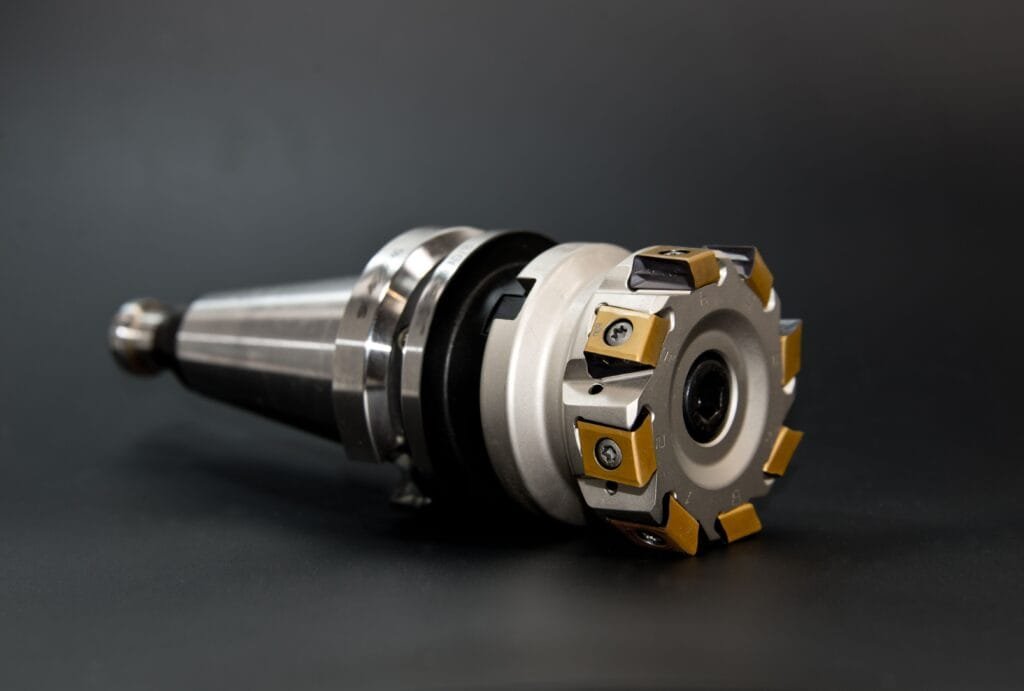
Technology of 3D Rendering
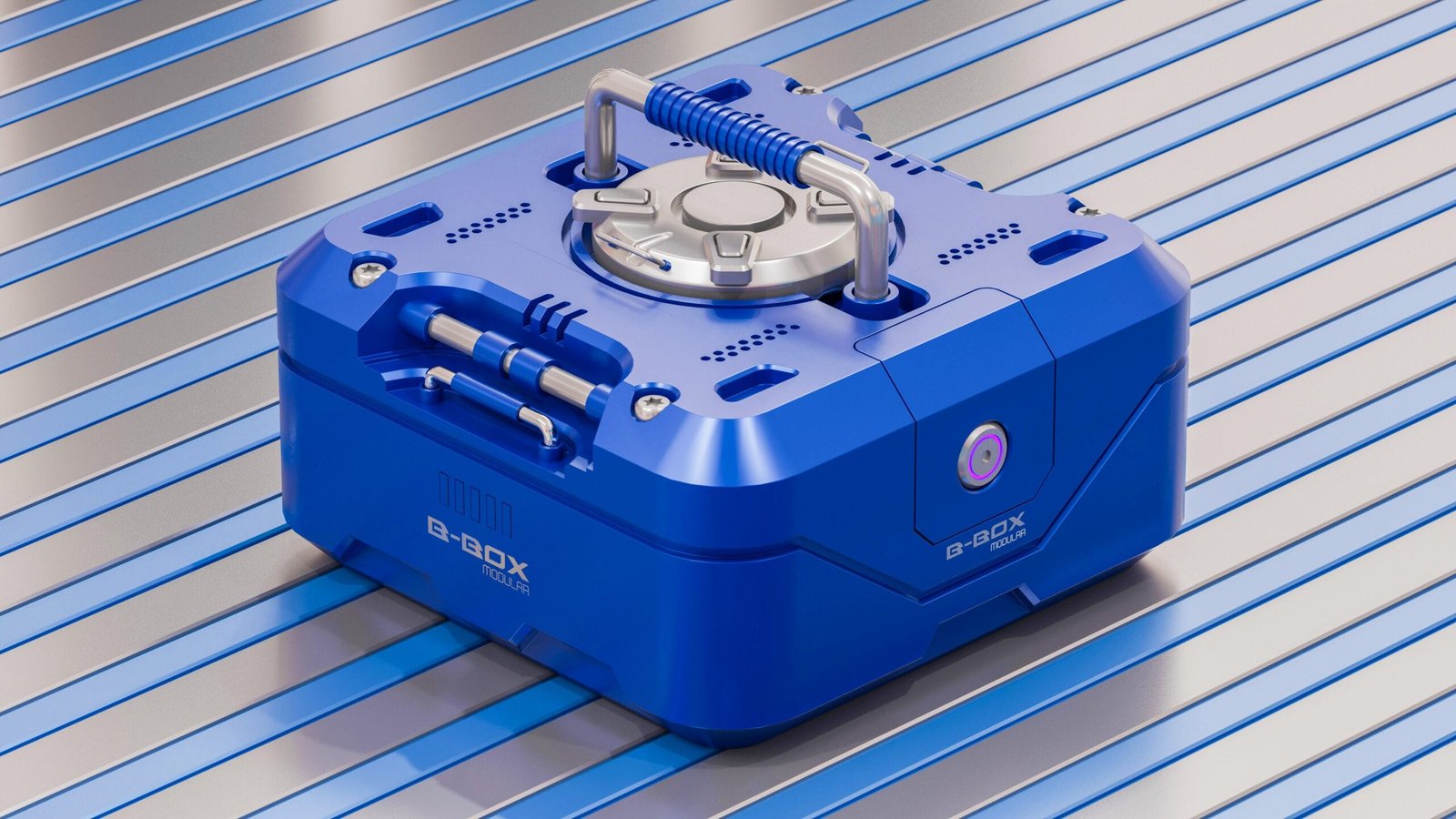
The technology of 3D rendering uses geometric data from a digital model, and visual characteristics like lighting, shadows, reflections, and surface properties are added to it. Through the calculation of how light interacts with surfaces, the end visual is produced by the rendering engine. This technology allows experts to analyze aesthetic qualities, appearances, and behaviors virtually. This is an important step for bridging the design phase with its real-life application.
3D Rendering Technology Working Process
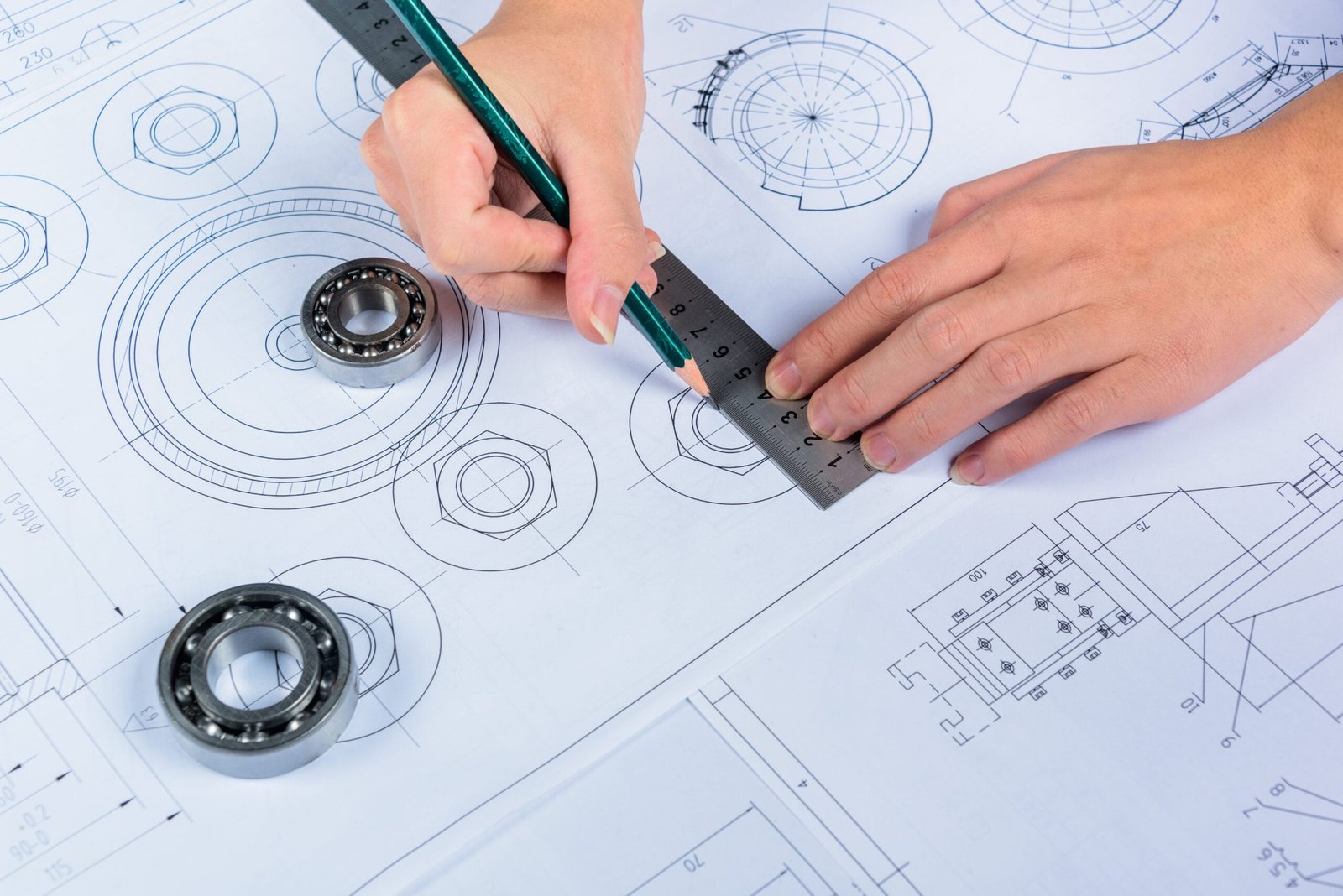
The rendering process starts with developing a three-dimensional model through the use of CAD or any other specific computer modeling software. After developing a 3D model, materials, textures, and lights are applied to it, which defines its visual appearance. This information will later be processed by the rendering system, and a final product will be generated. Some sophisticated rendering technologies employ approaches such as ray tracing and global illumination, which enable them to generate photorealistic renders by simulating natural light behavior.
Types of 3D Rendering Technologies
As a technology, 3D rendering could be classified based on its performance and output specifications. For instance, a real-time rendering technology will be designed in such a way that it generates images instantly, making it ideal for designing. Photorealistic rendering technology is intended to develop high-quality images that can be used in presentations and advertisements. Cloud-based rendering takes advantage of remote computation services and allows the generation of high-quality models. Types of 3D rendering have various industrial applications according to their specifics.
Significance
3D rendering technology plays an important part in today’s digital era, as it makes it possible for people to visualize their ideas before putting them into reality. In addition, 3D rendering technology assists in making better decisions through early detection of any problems that may arise. Moreover, 3D rendering technology makes communication among designers, engineers, and clients easier, as all these people will have the opportunity to see realistic and clear representations of concepts. Thus, miscommunication will be eliminated.
Uses of 3D Rendering Technology
The use of 3D rendering technology can be seen in different sectors, such as in the manufacturing and construction industries, where prototypes and building models are designed. Besides, 3D rendering technology can be used in designing automobiles as well as space vehicles. In addition, it can also be applied in gaming and entertainment industries where realistic games and movies are developed.
Role in Product Development
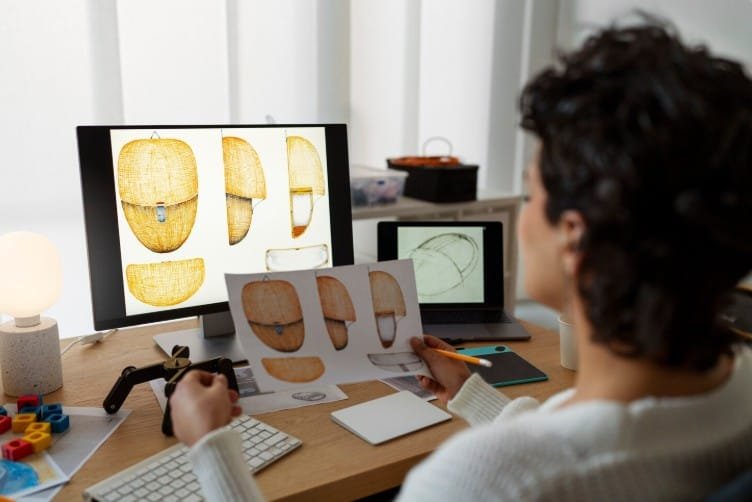
3D rendering technology allows manufacturers to visualize both the functionality and aesthetics of products before starting to manufacture them. The process also allows engineers to make necessary changes to the designs and test whether they are visually appealing or not. At Design HOK, we provide 3d rendering technology guide for professional CAD models.
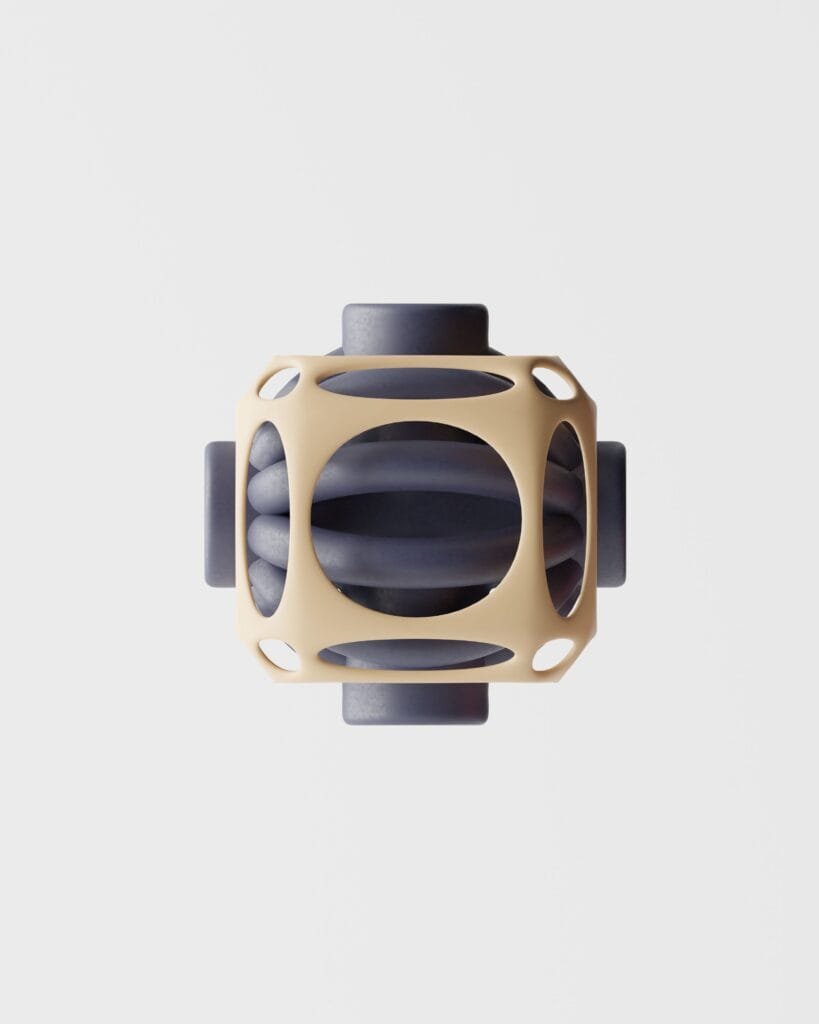
Rendering Integration with CAD Tools
Modern rendering systems are tightly integrated with the systems for CAD and 3D modeling. The technology makes it possible to transfer design data directly to the rendering environment without the need to recreate models. Such an approach ensures higher efficiency in workflow and the consistency of design and the result, which is important for accurate product representation.
Advantages of 3D Rendering Technology
There are many benefits of applying 3D rendering technology in contemporary engineering and design processes. First, the technology improves visualization results. Secondly, it facilitates design validation and reduces dependency on physical models. It increases effectiveness in communication and helps create powerful marketing presentations due to high-quality images created before the manufacturing process.
Future Perspectives
Nowadays, the field of 3D rendering technology changes fast due to the development of technologies such as artificial intelligence and real-time ray tracing. Such innovations increase the speed, precision, and accessibility of 3D rendering technology.
Conclusion
3D rendering technology is a vital component of digital design and engineering processes in today’s world. This helps abstract ideas get visualized in order to assist in decision-making and communication. Even with all its various uses, 3D rendering technology forms the link between the conceptualizing process and the physical manifestation of an idea.
FAQs
1. What is 3D rendering technology?
The 3D rendering technology is a method of visualization whereby 3D objects are visualized in a realistic manner through light, materials, texture maps, and camera effects.
2. How does 3D rendering help in product design?
It makes possible the visualizing process involved in engineering design processes.
3. What are the main types of 3D rendering technology?
There are different kinds of technology used for rendering purposes that include real-time rendering, photorealistic rendering, and cloud-based rendering.
4. How do rendering technologies connect with CAD software?
Rendering technologies connect to CAD software as they allow importing the model designed using CAD to be used in rendering without the necessity to rebuild the model.
5. Why is 3D rendering necessary in modern product development?
It allows analyzing the product and making decisions about design based on virtual evaluation.
6. Which industries use 3D rendering technology?
In the fields of mechanical engineering, automotive industry, aerospace, industrial manufacturing, and visualization.
7. What is the difference between real-time and photorealistic rendering?
The focus of real-time rendering lies on providing maximum performance, whereas in photorealistic rendering, the emphasis is on maximum quality.
8. How does 3D rendering improve cost efficiency?
Requiring fewer prototypes, it helps in detecting problems earlier, thus saving money spent on development.