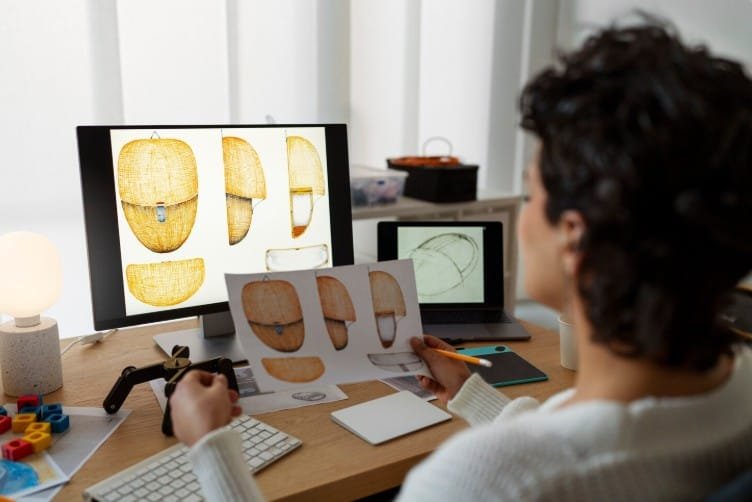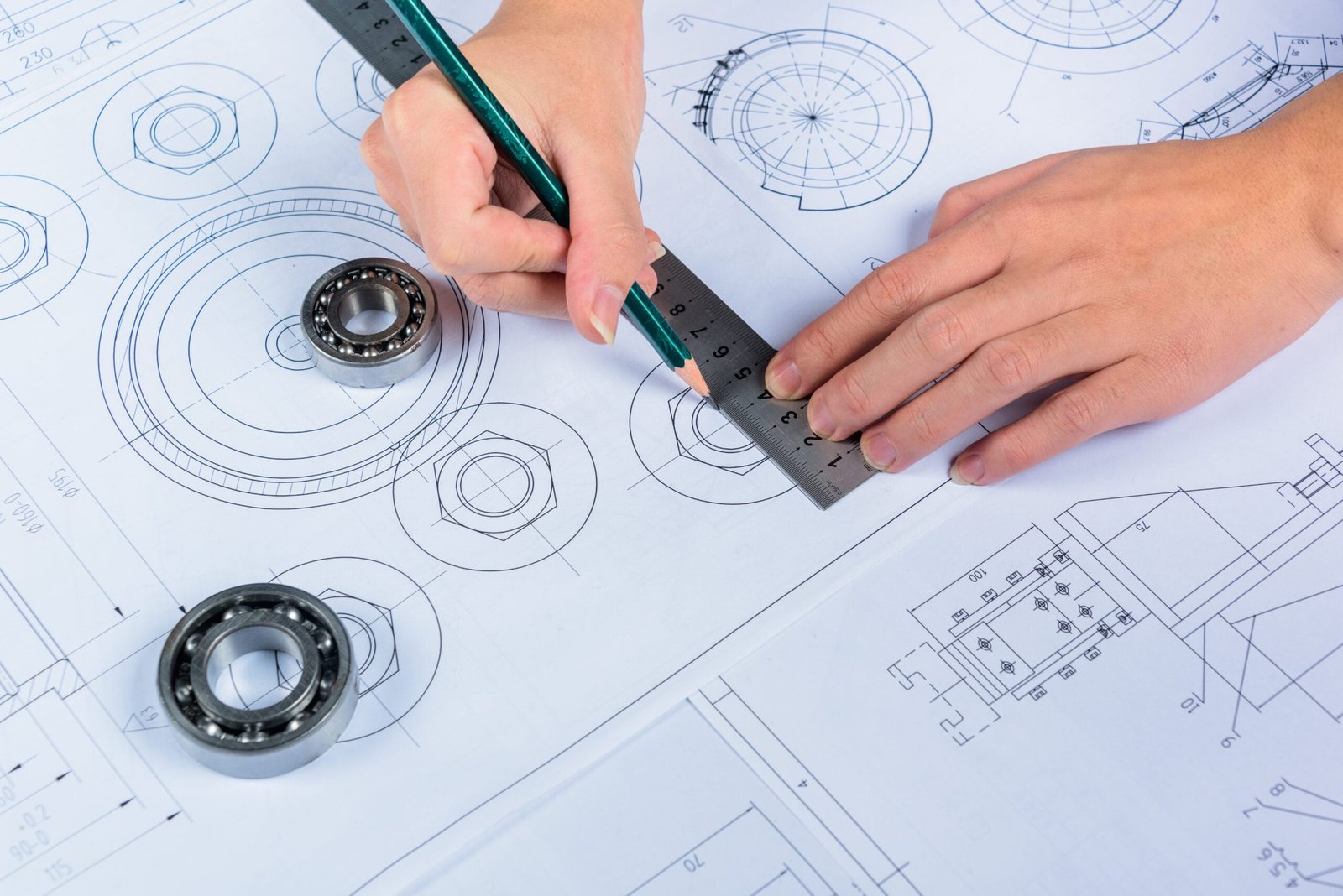


2D drafting applications are applications for which professional individuals write computer-aided design documents of technical drawings, plans, schematics, and any type of documentation needed for projects, manufacturing, product designs, and many more. However, many manufacturers and industries have advanced using the 3D software. Even with this progression, the 2D drawing is an extremely critical feature in technical drawing, as it can still be used to inspect, plan out, and document how anything manufactured is made.

Understanding 2D Drafting Programs
2D drafting programs are designed to create and edit drawings using geometric elements such as lines, arcs, circles, dimensions, annotations, and symbols. Such tools provide the ability for designers and engineers to produce technical drawings with accurate, informative design information. Design HOK is best known for 2d drafting programs.
But a CAD program designed for professional drafting provides a system designed around the principles of precision, enabling compliance with industry standards, dimensional accuracy, and the production of reliable documents. Unlike many drawing programs and illustration software packages, CAD programs are developed with specific workflows, tools, and outputs for engineers and designers.
Significance of 2D Drafting Programs
Technical drawings remain the basis of documentation in the world of manufacturing and engineering. The drawings dictate not only sizes and dimensions, tolerances, and materials required, but also instructions about how components should be assembled. When CAD drawings are accurately made, businesses will enjoy greater communication levels and understanding between design departments, purchasing, manufacturing, engineering, and QA teams. And importantly, misunderstandings in how products should be produced will be greatly diminished.
Modern Drafting Features
Modern drafting software provides a wide range of tools that support technical documentation workflows. Through these applications, users are able to draw designs accurately, add dimensions, attach annotations, and assemble drawing documentation following the standards within each engineering discipline. Most sophisticated drafting platforms provide features that simplify this work; they are able to handle drawing revisions, layer control, and template management, and are even able to work with other file formats associated with various engineering disciplines. The functionality within this design software not only improves project management but also helps engineers and designers maintain productivity and consistency in the creation of these drawings.
Engineering & Design Applications
2D drafting programs are extensively used throughout engineering and product development processes. Engineers create component drawings, assembly layouts, manufacturing documentation, and technical specifications using these tools. Proper documentation during the drafting process ensures that fabrication, machining, and assembly procedures are done accurately. This leads to better quality products and efficient manufacturing processes.
Production Documentation
Drafting plays an important role in manufacturing documentation because technical drawings are needed for the successful manufacturing of the products. Technical drawings give specific information about the product dimensions, materials to be used, etc. The drawings act as the main reference point when carrying out manufacturing activities and checking the accuracy of products in terms of design.
Design Workflow Integration
Many modern 2D drafting programs are integrated with broader CAD environments. Such an integration allows for effective coordination of drafting, designing, and engineering tasks while ensuring the consistency of project documentation. In this way, technical drawings can be kept up-to-date with design changes, maintaining documentation throughout a product’s entire lifespan and keeping the company organized.
Benefits of 2D Drafting Software
Design Document Drafting Solutions Professional 2D drafting software has several benefits for organizations and their engineering and manufacturing departments. Not only does drafting software create highly accurate drawings, but it also streamlines document production for a quicker workflow and helps to create cohesive project communications between various participants. Drafting solutions help eliminate the manual work of producing technical drawings to better ensure efficiency and minimize company risk.
Industrial Applications
The utilization of a professional 2D drafting program takes place in fields ranging from mechanical design, industrial production, and product design, as well as automotive or aviation systems, and other projects within fabrication companies. The variety of industry uses for 2D programs makes for efficient use wherever technical drawing and product documentation are essential for an engineering project.

Future of 2D Drafting Programs
While digital engineering continues to evolve, 2D drafting programs remain relevant due to their importance in technical documentation and manufacturing communication. The future developments in this domain are anticipated to involve more automation, collaboration in the cloud environment, intelligent annotation tools, and increased integration with sophisticated CAD systems. All of these innovations will enhance the effectiveness of the process and, at the same time, will preserve the precision and reliability of the information needed for drafting documentation.
Conclusion
Two-dimensional drafting software keeps its importance in the engineering, manufacturing, and product development industries. It serves as the technical documentation needed for effective communication and production planning. In the era of digitalization in various industries, professional drafting software is becoming more important than ever before.
FAQs
1. Why are 2D drafting tools employed?
2D drafting tools are employed to make technical drawings, technical and engineering documents, layouts, and industrial or engineering drawings that are absolutely compliant, which include comprehensive design information and are ready for production.
2. Why is 2D drafting software important in engineering?
CAD-supported technical documents can be readily employed in the development process, manufacturing process, testing process, and teamwork process.
3. How do 2D drafting programs improve accuracy?
Tools within the software support precision to help draft engineers ensure designs remain as accurately drawn as possible.
4. Which industries utilize 2D drafting?
Among many others, the industries requiring this kind of software include mechanical engineering, industrial manufacturing, aerospace, automobiles, and industrial design.
5. How does 2D drafting benefit manufacturing?
By providing engineers and other stakeholders involved in production with fully scaled drawings that provide detailed information on measurement, assembly, material, and allowable variance.
6. Which functions are standard in 2D drawing packages?
The common, or typical, 2D drawing program includes dimensioning; line, layer, and scale management; formatting; customization, text annotations, plotting, and save-in file compatibility.
7. How does drafting improve engineering communication?
By ensuring the quality of technical drawings, with the intention to reduce the risks of product design being misinterpreted by factory teamwork or partners who view and then act on the technical documents.