
3d Modeling Solidworks
3D modeling is now a fundamental tool within contemporary engineering, manufacturing, and product design industries. It allows organizations to create accurate digital models of products to enhance product visualization, and engineers can use these models to test designs, create prototypes, and plan production. SolidWorks and its state-of-the-art CAD features enable designers to produce reliable products while reducing production time.
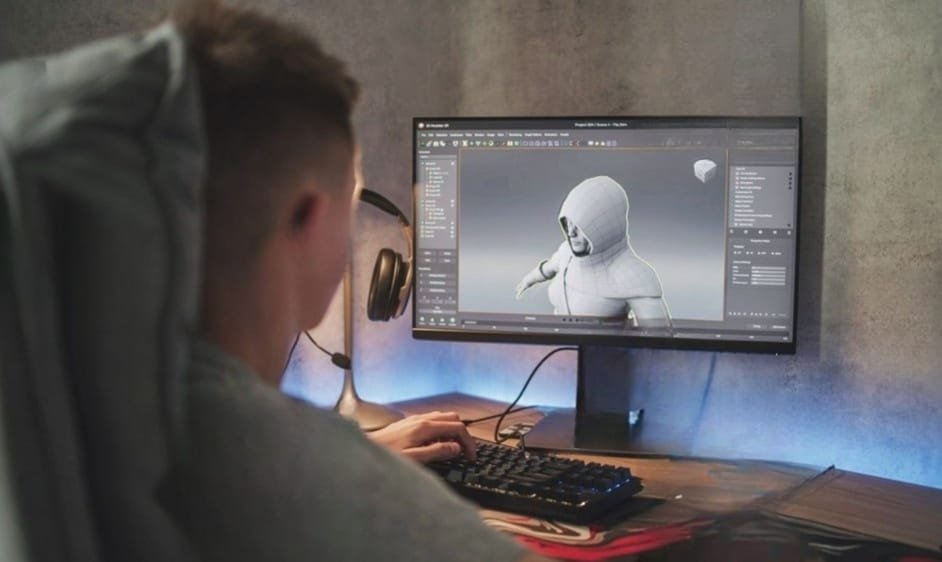
From simple mechanical components to highly complex industrial equipment, SolidWorks provides all the tools needed to turn the original product into buildable components for factories. This consequently decreases the chances of design errors as well as increases teamwork and the creation process. 3d modeling SolidWorks makes it easy to create any model.
Role of 3D modeling within SolidWorks
In modern engineering projects, the design of the product is helped in many ways with SolidWorks, which increases design accuracy and the efficiency of development. Engineers are given the ability to check how a product works, how its individual parts fit together, and where it will eventually be assembled. This method of using the digital form reduces product development risk and leads to improved quality while decision-making in product design and manufacturing preparation happens more rapidly.
Parametric modeling capabilities:
The feature of parametric modeling in SolidWorks allows engineers to define constraints, dimensions, and relationships between features. They automatically propagate when the geometry is edited, reducing engineering efforts because there is no need for them to update everything manually; this will also help engineers with a higher quality of large, complex products. 3d modeling SolidWorks helps to develop a user-centric model.
Part Modeling and Mechanical Component Design:
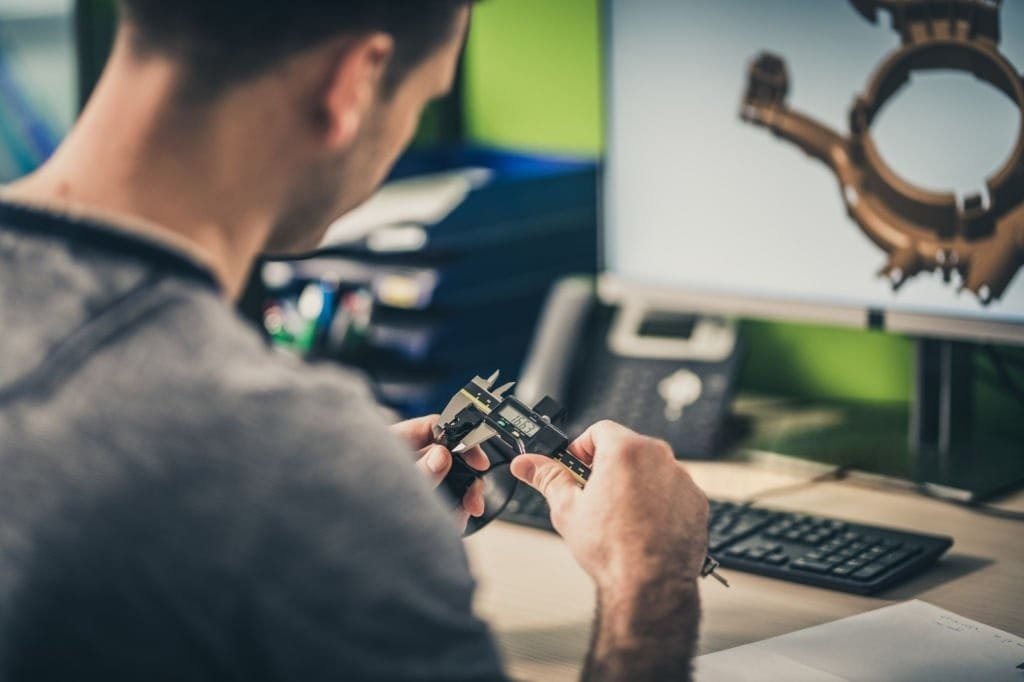
SolidWorks is an excellent platform for mechanical engineers to design mechanical components based on their specifications and measurements. With this ability, an engineer can create exact digital components to simulate real-world products to help in technical evaluations and planning of production. Ensuring accurate modeling of parts would also guarantee them to function, are produced, and satisfy the engineering requirements. 3d modeling, SolidWorks is best for CAD services.
Assembly Design and Product Integration
Most products have various interconnected parts and must integrate successfully for their functionality. Advanced assembly modeling in SolidWorks allows the engineer to integrate various parts into the total structure of the product. This type of assembly design helps to determine fit, alignment, motion, interaction of parts, and the product design process for manufactured components.
Engineering Analysis and Design Validation
Included within the SolidWorks software is the ability to perform engineering analysis before the actual prototype is physically built. Engineers can analyze the functionality of a product through structural analysis, motion analysis, load analysis, and design validation testing. This aspect of the software can help designers identify the flaws in the product design before the prototype stage.
Technical Documentation and Production Drawings
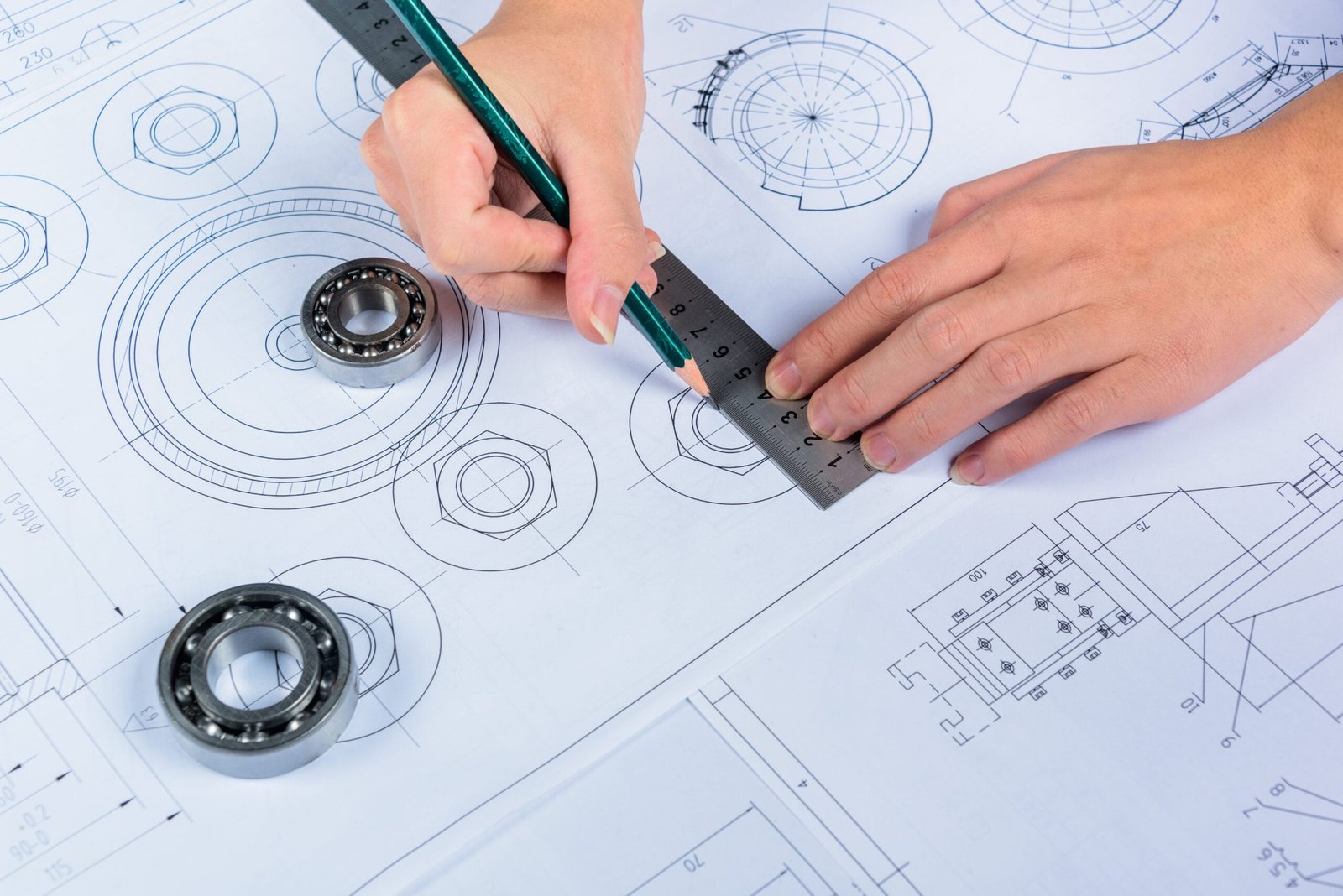
The professional engineering projects demand production drawings and technical documentation for the purpose of manufacturing and quality inspection. Through SolidWorks, it can be produced by engineering the production drawings, assembly document, and technical documentation directly from the 3D digital models. This communication between the engineering, manufacturing, and project management is good, and the technical documentation is accurate.
Manufacturing preparation and production support
Well-structured CAD models are essential for manufacturing preparation. With the assistance of SolidWorks, engineers can produce production drawings. Machine engineers can use production drawings for machining and fabricating the parts; it also helps in assembly planning and quality inspection. Well-built digital models support production efficiency and provide the elimination of manufacturing-related problems in the later phase of the project.
Product Visualization and Rendering
SolidWorks also provides visualization and rendering capabilities that allow businesses to create realistic product presentations. Materials, lighting, textures, and environmental effects can also be used to render a digital model and enhance visual appearance. These renderings facilitate a better understanding of product appearance and function during engineering reviews, customer presentations, product approvals, and marketing purposes.
SolidWorks in Design Optimization and Engineering Efficiency:
By using efficient modeling, validation, and testing workflows, an engineer is able to effectively optimize the product design. Any design change could be completed quickly while at the same time retaining the integrity of the model as well as of the design. These efficiencies save engineering development time and improve engineering decision-making across the entire product life cycle.
Collaboration and Product Development Management:
Most of today’s product development work has multiple teams in the organization working at different points in a product life cycle. By centralizing the digital design and manufacturing environment, engineers, designers, and manufacturing teams within an organization are using the same design data, which improves collaboration. This reduces communication gaps and enables the project team to expedite the development and manufacturing processes.
Advantages of Professional SolidWorks 3D Modeling Services.
Many benefits are obtained for engineering and manufacturing companies when professional SolidWorks 3D modeling services are utilized. They are the accuracy of designs, the velocity of development, the ease of communication of the technical aspects, the preparation of designs for manufacturing, and an enhanced quality of the final product.
Digital workflow additionally minimizes the scope of human errors in engineering, reduces the number of design changes required, and enables enhanced task execution throughout various departments in the project workflow.
The Future of 3D Modeling in SolidWorks.
3D modeling SolidWorks technology is continuously developing through the integration of features like AI-aided design, online cloud-based teamwork, and automation technology for the process of engineering to improve design quality and production. The engineers are now able to design intelligent products and improve productivity.
In the years to come, the digital engineering tool technologies will only continue to develop to keep SolidWorks at the forefront of design technology. Design HOK provides 3d modeling in SolidWorks.
Conclusion
3D Modeling in SolidWorks has transformed the way products are designed, analyzed, and prepared for manufacturing. The software can provide sophisticated CAD functionality, so precise modeling, a streamlined development process, technical validation, and preparation for production are supported.
FAQs
1. What is 3D Modeling SolidWorks?
3D modeling helps to create a digital replica that matches the exact specifications of the final product, while CAD software helps the engineer in design visualization, simulation, and preparation for manufacturing.
2. What are the advantages of using SolidWorks 3D modeling for my project?
The reason people use 3D modeling in SolidWorks is that it has the capabilities of CAD, uses parametric modeling, allows for engineering simulation to be included in its usage, and has a high emphasis on engineering design efficiency.
3. What fields use 3D Modeling SolidWorks for their projects?
The manufacturing, automotive, aerospace, industrial machinery, robotics, consumer goods, and mechanical engineering industries commonly use 3D modeling in SolidWorks for their design and development process.
4. What is parametric modeling in SolidWorks?
Parametric modeling allows the engineer to enter the dimensions of features within a model and specify the interdependencies that exist between the features, such that when one dimension is altered, the model updates automatically.
5. Can SolidWorks perform assembly design?
Yes, SolidWorks is provided with advanced assembly modeling features to enable the engineer to evaluate component interference, fitting, positioning, and product performance.
6. What are the contributions of SolidWorks to product development?
SolidWorks offers a response to the requirements for the creation of proper models, making rapid design modifications, engineering simulation and analysis, and manufacturing readiness all in one integrated system.
7. In preparation for manufacturing, how can SolidWorks be utilized?
Final designs, engineering drawings, assembly drawings, and manufacturing data necessary to enable efficient manufacturing can all be produced with SolidWorks.