

Challenges in 3D Modeling
In modern times, 3D modeling challenges have become an important part of the process of creating and manufacturing various items. 3D models can be created before production, enabling businesses to create digital replicas of their products, assemblies, and even machinery. However, the process of modeling itself can have a variety of issues to consider. The increasing complexity of the products being designed means that certain problems will inevitably appear when working with the models. 3d modeling challenges are hard to face during the manufacturing of products.
Complex Geometry and Surface Modeling
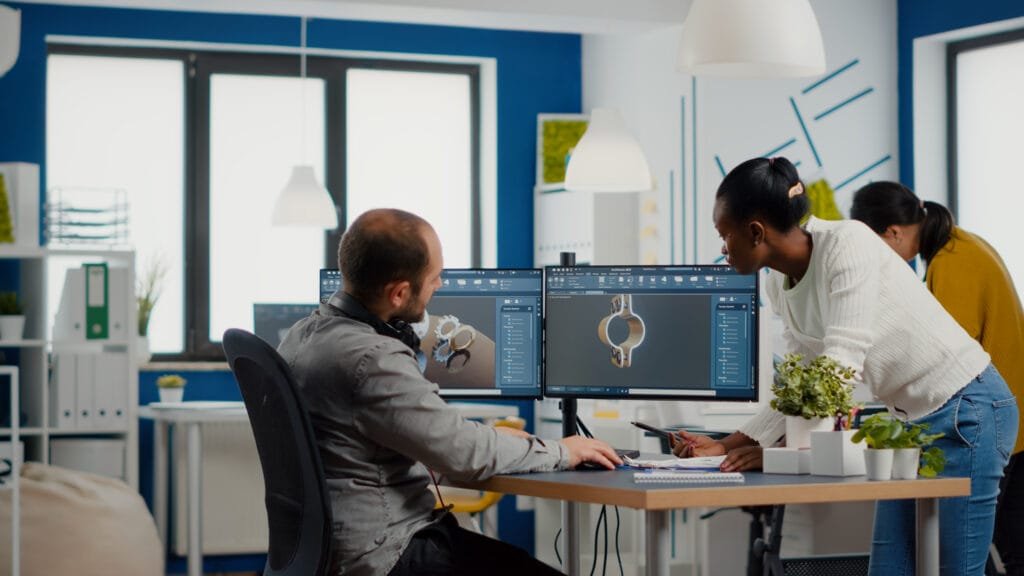
Creating complex geometry and surfaces is a common problem when creating 3D models. Modern products have complex geometries and surfaces that are created with special modeling methods. Achieving high precision during the creation of complex geometry takes a lot of time and requires knowledge in modeling.
Assembly Management
Many engineering designs include assemblies that consist of many parts, up to hundreds or thousands. Working with such large assemblies may affect system performance and the efficiency of model creation. Proper assembly management is essential for achieving the accuracy of connections between parts. Design HOK is best for expert CAD services.
Management of Design Change
There are times when change needs to happen in the design process owing to testing results, consumer feedback, regulations, or manufacturing considerations. The problem is that change could be challenging when many parts and assemblies are interdependent. Change management is crucial to maintaining consistency within the model without causing errors that would affect other processes. Every CAD expert face 3d modeling challenges.
Manufacturing Challenges and Consistent Model Design
Even if there are no problems with the digital model, it might cause challenges during the manufacturing process. As part of product development, it is critical to consider the constraints related to the manufacturing process. Compatibility between the manufacturing process and the digital model is essential. Don’t get desperate with 3d modeling challenges.
CAD Data Exchange and Interoperability
Many organizations use different software platforms for design, simulation, visualization, and manufacturing activities. Transferring information between such platforms may lead to certain compatibility problems that will cause geometrical discrepancies, missing components, and conversion problems. Sound data management strategies provide for preserving geometrical integrity and facilitating communication between engineering platforms. 3d modeling challenges improve productivity.
Simulation and Validation Problems
In modern times, computer simulations and performance evaluations play an important role in engineering workflows. Inaccurate geometries, missing design details, and poor preparation may compromise simulation results. The proper validation procedure provides for ensuring the appropriateness of the digital model for further structural, kinematic, thermodynamic, and other engineering analyses.
Maintaining Quality Control Standards
It is vital to keep high-quality standards when creating 3D models, as they should be created precisely, with all design concepts considered and subjected to quality control processes. By keeping strict standards for designing models, one will avoid making any costly mistakes related to precision.
Impact of Modeling Challenges on Product Design
Modeling challenges affect the process of professional product design by influencing its quality, manufacturability, and timing aspects. Engineers must ensure that models remain precise throughout the whole design, simulation, and manufacturing processes. Proper management of modeling problems will help prevent any delays and potential issues related to collaboration between the two disciplines.
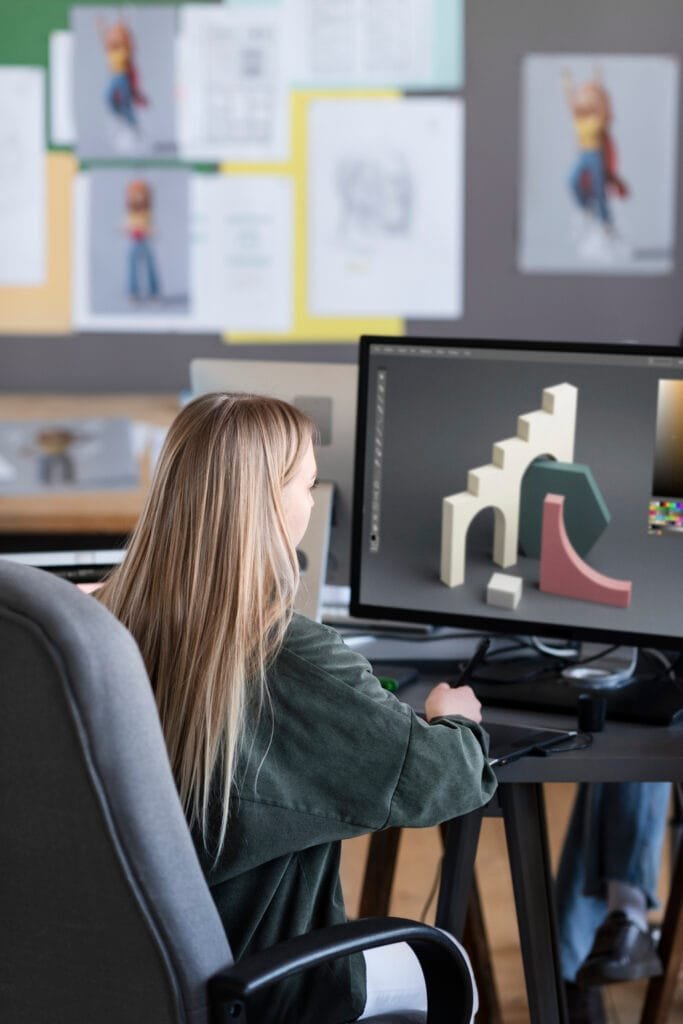
Modeling Challenges on Efficiency of Product Development
Unclear challenges concerning modeling can lead to delays, high development costs, ineffective communication, and production issues. Issues could affect reviews, prototyping, and other development activities. Firms handling modeling challenges effectively could take advantage of efficient work process flows, risk mitigation, and successful product development.
Advances Expected in Future for 3D Modeling
Latest advances in the area consist of designing applications, cloud services for engineering, validation tools, and simulation tools. The above-mentioned tools would assist engineers in developing accurate models without wasting any effort. Looking forward, intelligent systems can be the most effective tool for overcoming design and development challenges in the realm of digital engineering.
Conclusion
Although 3D modeling provides significant advantages for engineering and manufacturing industries, it also presents several technical challenges that must be managed carefully. From complicated geometrical design and assembly management to simulation performance and manufacturing capability, every challenge may affect the success of projects. Nevertheless, there are solutions to the aforementioned problems that companies can apply by employing efficient models and advanced engineering methods.
FAQs
1. What are some challenges faced while 3D modeling?
The challenge in 3D modeling refers to the technical difficulty that is associated with creating, editing, verifying, and managing the digital models of various products in engineering and manufacturing.
2. What are the challenges faced while modeling complex geometry?
The geometry models are often complicated due to their surfaces and shapes, which can only be created through CAD systems.
3. What challenges may large assemblies cause while working on 3D modeling?
The larger the assembly of a 3D model, the greater its complexity will be. This can result in software difficulties and other complications.
4. What is design change management in 3D modeling?
Design change management refers to the process of making changes to computer-generated designs while ensuring consistency with other components and assemblies associated with that design.
5. Why is manufacturing compatibility necessary in 3D modeling?
The design has to take into consideration production standards in order for the manufacturing process to be effective without causing any problems with production and assembly.
6. What are some causes of data transfer issues when using CAD programs?
These include file transfer from one platform to another, where compatibility problems can happen.
7. How does simulation depend on accurate 3D models?
Simulation tools require precise geometry and complete engineering data to generate reliable performance evaluations and meaningful design insights.