
The use of 3D modeling tools has revolutionized the field of engineering because they allow organizations to model, view, and fine-tune their products using a computer program even before actual manufacturing. The use of precise digital models increases the efficiency of engineering communication, eliminates design errors, and makes the process of developing a product more effective. With the advancement in engineering technology, the uses of 3D modeling are becoming increasingly diverse in industries that require accuracy, efficiency, and precise technical documentation.
Understanding 3D Modeling Applications
Application of 3D modeling entails the use of digital modeling technology to accurately represent the engineering products, mechanical parts, and full assemblies. The 3D modeling process supplies engineers with the necessary data required for assessment before production. Further applications of 3D modeling help enhance engineering efficiency through accurate design, collaboration, and digital product development.

Product Design
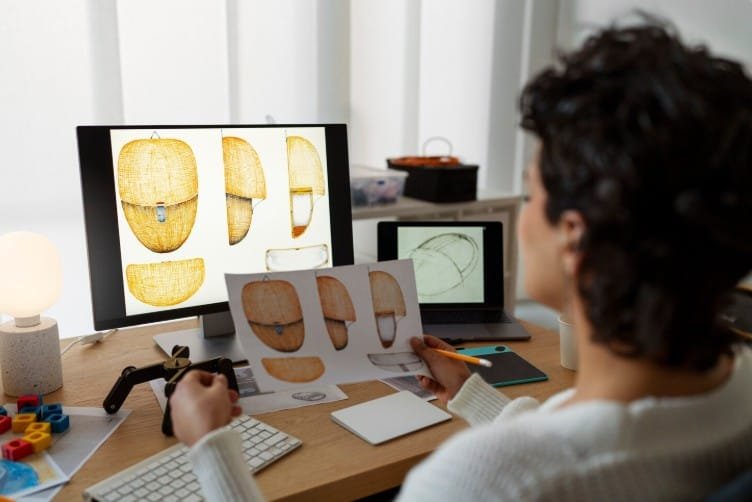
One of the most important 3D modeling applications is product design. Engineering creates digital models for representing the geometry and specifications of the products before their manufacture. Digital product design allows engineering staff to explore different design ideas while minimizing risks associated with product development and improving the quality of products. Discover the innovative services of Design HOK.
Design Validation
The design validation stage verifies whether engineering models meet functional and manufacturing requirements before production. Engineers analyze dimensions, interactions between parts, and assembly performance of digital models. One of the important uses of 3D modeling is the identification of design problems, which helps organizations minimize engineering changes and manufacturing costs.
Engineering Documentation
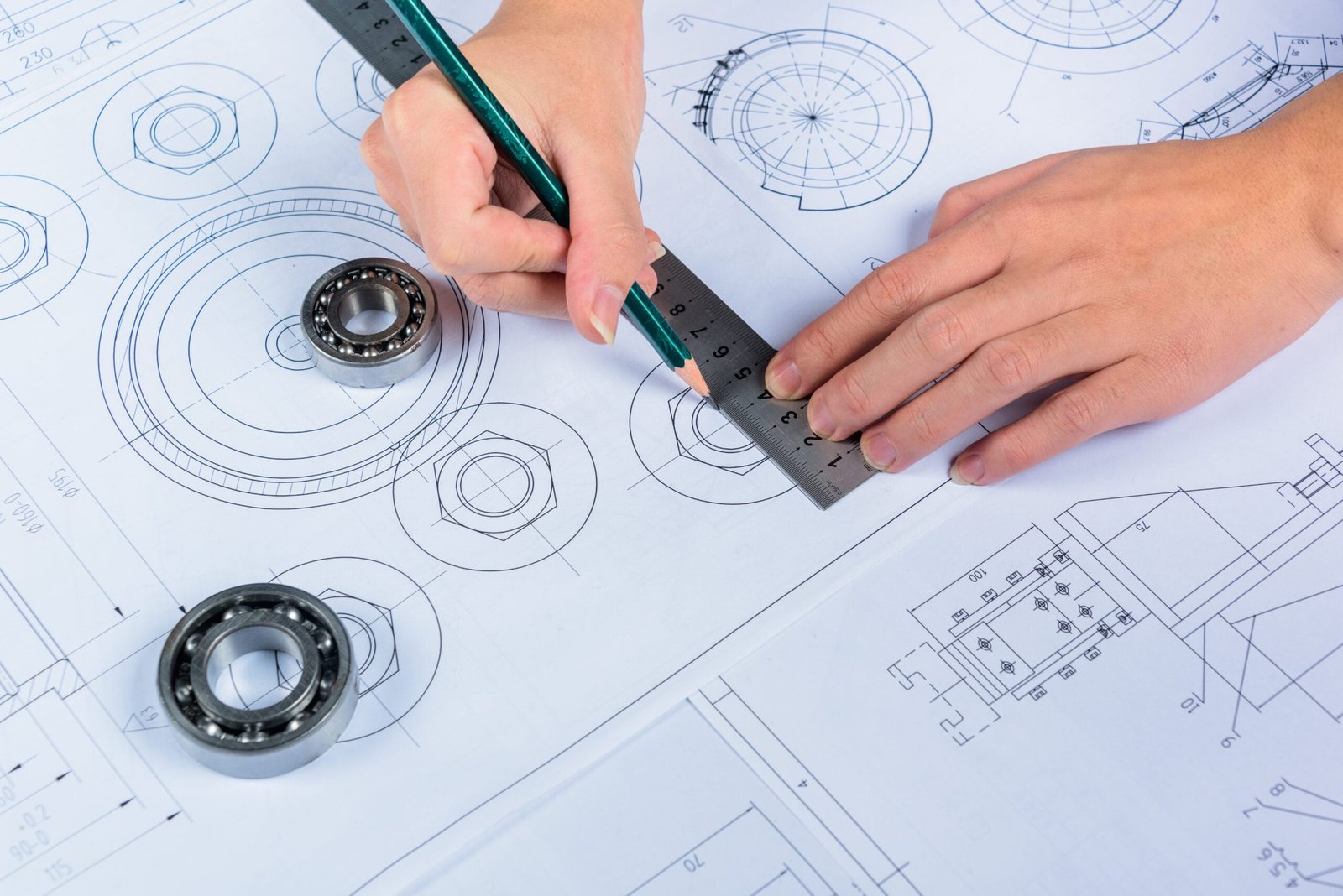
Proper engineering documentation is vital for manufacturing processes; the software designed for 3D modeling simplifies the process of creating technical drawings, dimensions, labeling, and assembly documents using digital models. Good documentation helps establish better communication among engineering, manufacturing, and quality assurance departments and ensures consistency throughout the project.
Product Visualization
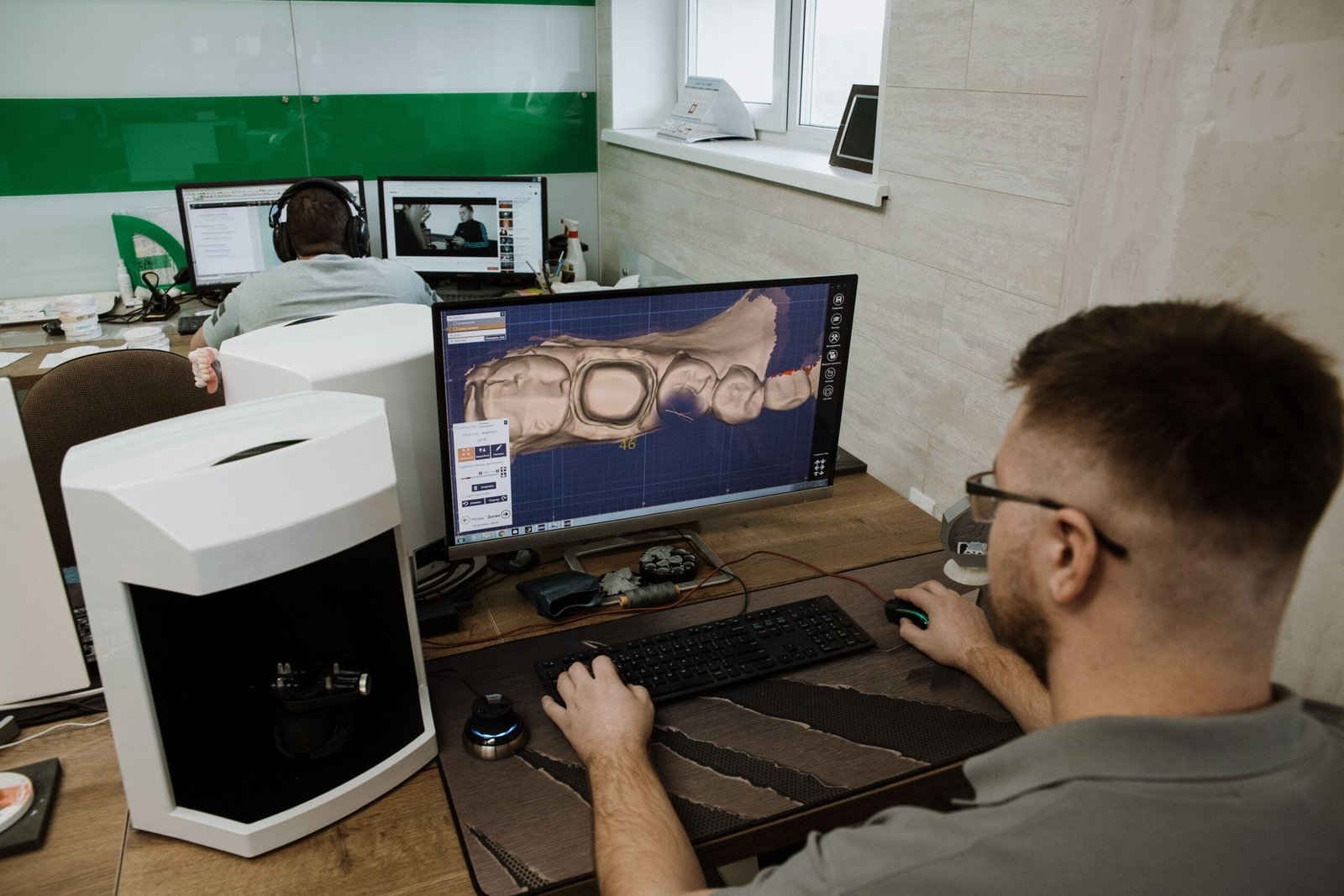
Professional product visualization helps engineers and other stakeholders inspect the products before manufacturing them physically. Digital models give realistic views that can help communicate better and understand the look and design of the product. One of the useful aspects of 3D modeling is making decision-making easier through effective product visualization.
Assembly Development
Assembly modeling is the practice of putting various components into one engineering system to inspect it before manufacturing. Engineers ensure that there is proper alignment and clearance in the assembly. Accurate assembly development helps engineers increase product reliability and eliminate production problems at an early stage of engineering.
Manufacturing Support
One of the most valuable 3D modeling applications is supporting manufacturing preparation. Digital modeling by engineers helps verify the right dimensions of products, analyze the components for their proper fit, and prepare for the manufacture and assembly of the products. Development of precise engineering models assists in communicating in the designing and manufacturing departments and prevents errors in the manufacturing process. 3d modeling applications help to boost product manufacturing.
Integration in the Workflow
Modern engineering projects need workflow integration, and this can be done through the 3D modeling application. Designing, engineering documentation, and manufacturing processes can be integrated into one process to ensure that the product information remains consistent in all stages of its development. The increasing number of 3D modeling applications makes collaboration between the departments easy and maintains engineering consistency.
Design Optimization
Digital modeling makes it possible for engineers to improve the geometry of their products, optimize their structures, and ensure product efficiency before starting the production process. Constant design optimization facilitates the minimization of material waste and an efficient engineering solution. Implementation of advanced 3D modeling applications results in enhanced engineering efficiency and long-term product reliability.

Industrial Applications
There are many industrial applications of 3D modeling in the spheres of mechanical engineering, design of industrial equipment, manufacturing, automotive engineering, machinery design, and product development. Engineering companies use digital modeling in their efforts to produce accurate products adhering to professional standards of engineering. The use of digital modeling is intended to improve the quality of products, shorten the cycles of the development process, and increase manufacturing readiness. 3d modeling applications are the best choice for product manufacturing.
Future Trends of 3D Modeling
Engineering automation will shape the future applications of 3D modeling. This will improve engineering precision while facilitating digital product development. Innovations of the future will help to further expand the applications of 3D modeling and allow organizations to develop products faster, improve collaboration, and increase the efficiency of manufacturing.
Conclusion
The applications of 3D modeling have become indispensable in modern engineering due to their contribution to product design, validation of design, engineering documentation, manufacturing preparedness, and workflow optimization. Digital modeling allows engineering teams to produce precise products while collaborating effectively and avoiding development risks. The expanded applications of 3D modeling continuously improve engineering processes in various industries and ensure the efficiency of digital product development.
FAQs
1. What is meant by 3D modeling applications?
These are applications that involve the creation of digital models for engineering, design development, manufacturing, and visualization purposes.
2. Why should one use 3D modeling?
This process enhances the design accuracy and helps in avoiding engineering mistakes during the design process.
3. Where is 3D modeling utilized?
This technology is utilized in mechanical engineering, manufacturing, heavy machinery, automotive, and product development industries.
4. How does 3D modeling assist products?
It helps in the design, testing, and improvement of products before their manufacture.
5. Why should there be validation of the designs?
This helps in detecting any issues in the design process at an early stage.
6. How does 3D modeling help in manufacturing?
It helps form accurate models and engineering documentation in manufacturing.
7. Why do we need engineering documentation?
It helps in effective communication with technical drawings and manufacturing information.
8. How can 3D modeling assist in the workflow process?
It enables the integration of design, engineering, and manufacturing into an appropriate digital workflow.