
Introduction
SolidWorks 3d modeling is one of the most widely known and advanced computer-aided design (CAD) solutions on the market today for engineering and product development. Software allows engineers, designers, and manufacturers to produce highly accurate 3D models, detailed assemblies, and technical documentation. SolidWorks provides an advanced modeling environment for complex design problems and speeds product development in a wide range of industries.
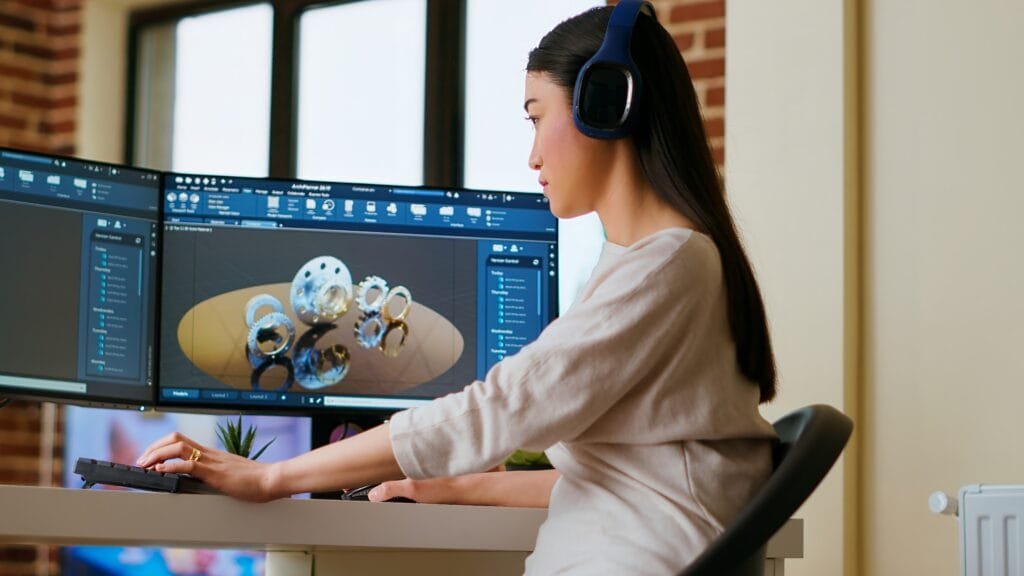
Today’s manufacturing and engineering environment demands accurate and efficient product development. SolidWorks offers an integrated environment for conceptual design, simulation, visualization, and manufacturing preparation. To design innovative products and reduce the development cycle and production costs, its powerful tools enable professionals.
Key Features of SolidWorks 3D Modeling
Parametric Design Capabilities
Parametric modeling is one of the most important features in SolidWorks. This technique allows controlling design structure by dimensions, relationships, and geometric constraints. Change a feature, and all associated items are automatically updated everywhere in the model. Design HOK provides SolidWorks 3D Modeling for international clients.
Advanced Part Modeling
SolidWorks provides a large collection of modeling tools that allow designers to create complex mechanical parts. Operators such as extrude, revolve, loft, sweep, and boundary enable the user to build very complex and precise parts. The software also includes surface modeling tools that allow designers to create complex geometries and attractive product shapes. These capabilities are particularly useful in automotive design and consumer products.
Assembly Modeling and Motion Analysis
Engineers use assembly modeling tools to assemble numerous parts into complete product structures. The mating and alignment features available in an assembly environment allow designers to study the interaction of parts.
Simulation and Engineering Analysis
Designers evaluate a design’s structural integrity and operational reliability through stress analysis, thermal testing, vibration studies, and fluid simulations.
This simulation capability decreases the amount of physical prototyping and helps organizations to reduce their product development costs and improve their product quality.
Technical Documentation
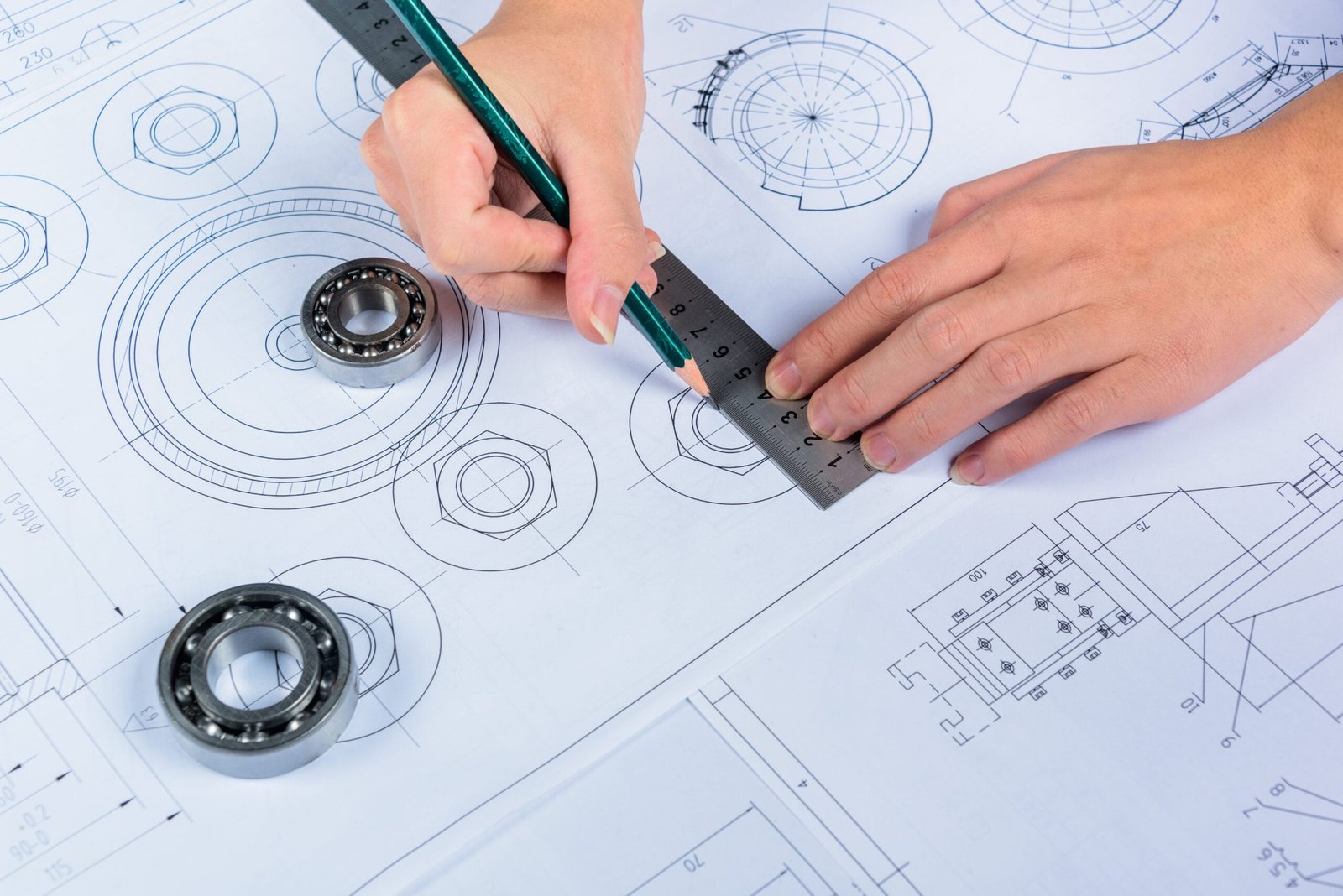
SolidWorks automatically creates professional 2D technical drawings from 3D models and assemblies. SolidWorks automatically converts your 3D models and assemblies into professional 2D technical drawings. The drawings shall include the dimensions, notes, tolerances, and manufacturing specifications for the manufacture of the product. Design model documentation, consistency, and efficiency of instruction in automated manufacturing.
SolidWorks 3D Modeling Workflow
Concept Development
The first steps in modeling are usually concept sketches and design planning. The digital models are designed after engineers specify the requirements, dimensions, and functional objectives of the product.
Sketch Creation
The designers create 2D sketches of geometric entities such as lines, arcs, circles, and splines. Dimensions and geometric relationships are used to define the structure accurately.
Feature Development
Then the sketches are transformed into solid models by feature-based operations. Profiles are simple, but 3D structures are complex: extrusion, revolution, sweep, loft.
Detail Enhancement
Additional features such as fillets, chamfers, ribs, holes, and patterns are added to improve the functionality and appearance of the product. These refinements help in creating production-ready designs.
Advantages of SolidWorks 3D Modeling
Improved Design Accuracy
The SolidWorks modeling tools are highly accurate, minimizing dimensional errors and improving engineering accuracy. This results in better product performance and manufacturing reliability.
Faster Product Development
The software streamlines design processes through automation and parametric control. Engineers can implement design modifications rapidly, reducing overall development time.
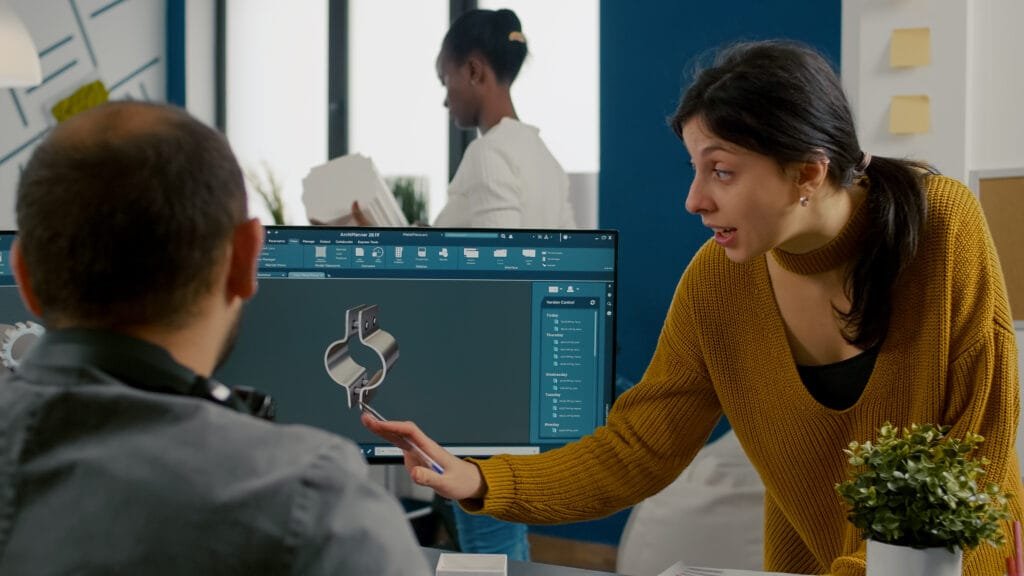
Enhanced Visualization
Three-dimensional visualization gives a clear understanding of product designs for stakeholders before the manufacturing process starts. Realistic rendering and animations improve presentations and customer communication.
Reduced Development Costs
Early detection of design issues reduces production mistakes and material waste. Simulation tools also reduce the need for expensive physical prototypes.
Better Collaboration
SolidWorks enables engineering teams, manufacturers, and project managers to collaborate with one another by sharing digital models and documentation systems.
Conclusion
SolidWorks is a necessary tool of modern engineering and industrial design. Advanced modeling, simulation, assembly, and documentation tools offer a comprehensive solution for product development and manufacturing preparation. SolidWorks is helping organizations to develop high-quality products efficiently and competitively, improve the accuracy of designs, reduce production costs, and enhance collaboration.
FAQs
1. What is SolidWorks 3D modeling?
SolidWorks 3D modeling is the art of creating accurate digital representations of mechanical components, assemblies, and engineering products using advanced CAD tools. Engineers and designers can visualize, analyze, and optimize product designs before manufacturing.
2. Why is SolidWorks considered important in modern engineering?
In today’s engineering world, SolidWorks is a must; it improves accuracy in design, reduces product development time, and helps the engineering and manufacturing teams to work seamlessly. The integrated simulation and documentation tools also enhance the overall project efficiency.
3. What are the primary applications of SolidWorks 3D modeling?
The industry standard for accurate and production-ready models for automotive engineering, aerospace, industrial equipment manufacturing, medical device development, robotics, and consumer product design.
4. What is the role of parametric modeling in SolidWorks?
Engineers can control design geometry with dimensions and relationships using parametric modeling. Changes in a feature will automatically refresh all related components, which means consistency in design and no manual updates.
5. How does SolidWorks improve product development processes?
SolidWorks can accelerate product development by reducing design errors, enabling rapid design changes, allowing virtual testing, and improving communications through realistic 3D visualization and technical documentation.
6. What types of simulation analyses can be performed in SolidWorks?
SolidWorks supports many engineering analyses, such as stress analysis, thermal simulation, motion studies, vibration analysis, and fluid flow testing. These tools help in judging the dependability and efficiency of the product under different conditions of operation.