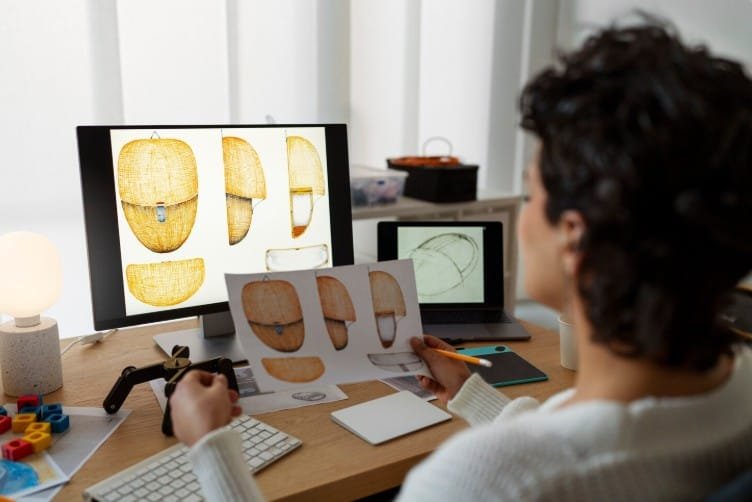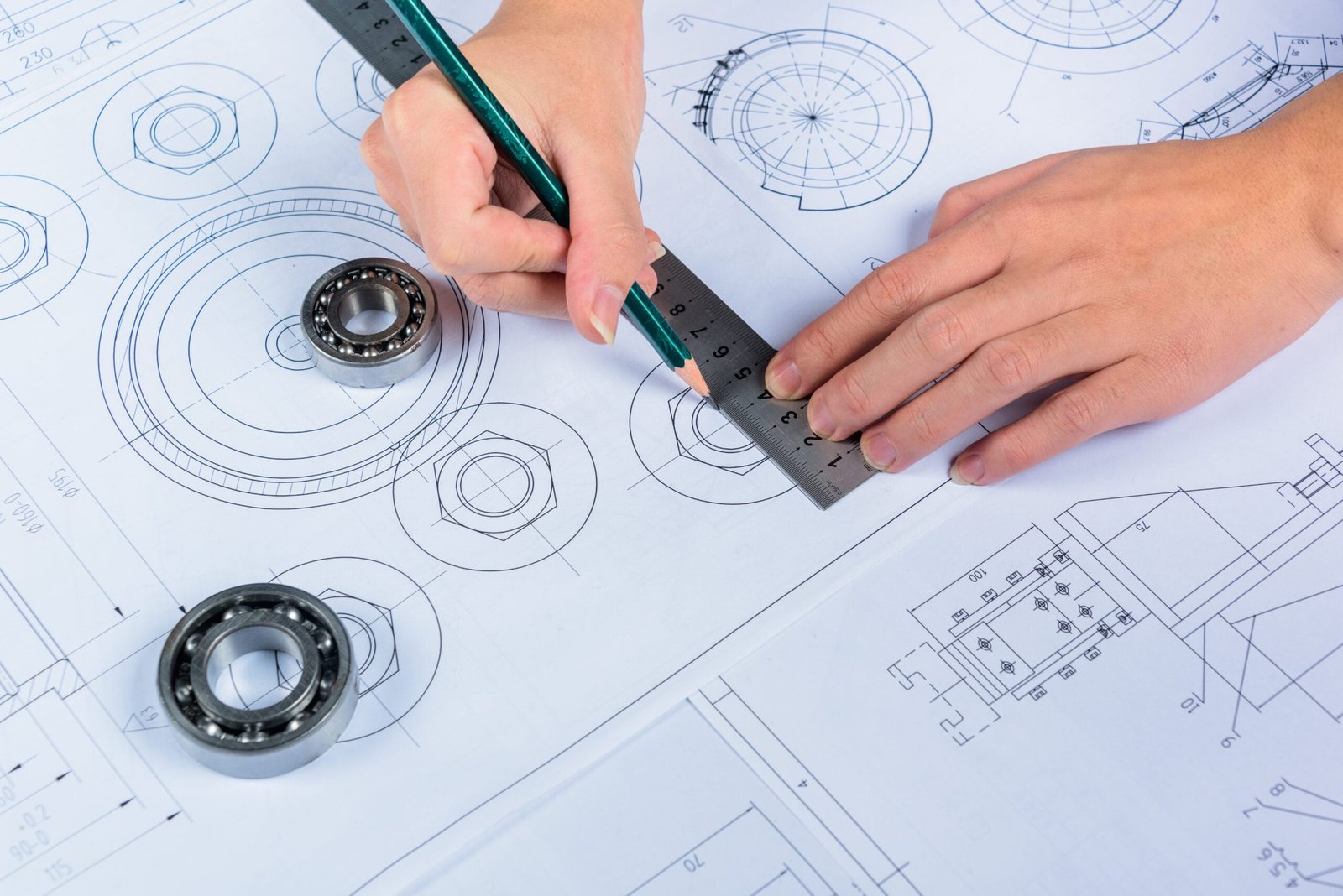


The importance of CAD rendering has been recognized in the field of engineering for creating realistic images of CAD models. The engineers can use such images to analyze product aesthetics and improve communication related to design and manufacturing preparation before actual production. Visualization through professional means helps engineers to communicate about their products more clearly and eliminates the need to create several physical prototypes. CAD 3D rendering further facilitates better cooperation among designers, manufacturers, and other people involved in the project.
Understanding CAD Rendering
CAD rendering is the process of converting a three-dimensional CAD model into a realistic image using rendering software. Lighting, materials, reflections, and shadows are used in the engine for the formation of a high-quality picture of the engineering product. Engineers can assess product visual appearance and keep all the accuracy of the initial CAD design at the same time.

Process of 3D Rendering in CAD
The process of 3D rendering in CAD starts from the preparation of the engineering model, which should be accurate, organized in assemblies, and have good design data as the basis of professionally rendered pictures.
Product Visualization
One of the main features of CAD rendering is realistic product visualization. It helps engineers to represent their product in detail before its production. Professional visualization makes communications better and more effective.
Material and Lighting
Materials and lighting significantly influence the quality of rendered images. The engineers set the material properties on the surfaces to change the lighting to focus on the product features. The professional CAD 3D rendering provides realistic visualizations of engineering without changing the product design through appropriate settings of lighting and materials.
Design Evaluation
It is easier for engineering teams to evaluate their products from various angles using realistic renderings before proceeding to production. Engineers can analyze the design appearance and make adjustments where necessary. The use of CAD rendering during design evaluation helps to reduce uncertainties as well as making informed engineering decisions.
Engineering Documentation
The combination of a CAD model and visualization plays an important role in the engineering documentation process. Although the technical drawings give manufacturing data, there is a need for the realistic visualization of the product that helps to enhance the documentation process. Documentation, coupled with realistic product visualization, enhances the engineering communication process.
Product Development
CAD rendering plays an important role in product development by allowing engineers to visualize products before manufacturing begins. Realistic images assist in assessing the product aesthetics, conducting better design reviews, and creating technical presentations during the development process. Professionally made CAD 3D rendering helps engineers find possible solutions for the design improvement, mitigating the risks of development, and increasing product quality. Visit Design HOK’s services pages for better CAD services.
Manufacturing Support
Engineering professionals also need to have realistic images that assist in understanding how the product looks and works before the start of its production process. Realistic renderings enhance the communication between engineering and manufacturing departments. They complement CAD models and help to visualize the appearance and assembly of engineering products.
WorkProcess Efficiency
The current engineering work process combines CAD modeling, rendering, documentation, and preparation of the manufacturing process in one digital work process. Professional CAD rendering makes communication within the company easier by offering visual images for every project step. The well-managed workflow makes the project process faster and easier for engineers.
Industry Applications
The applications of CAD 3D rendering include mechanical engineering, engineering of industrial equipment, manufacturing, automotive engineering, machinery design, and product development. Engineering companies need realistic visualization to facilitate communication and make decisions. The abovementioned industries utilize rendering to promote their products visually and prepare engineering projects for manufacturing processes.
The Future of CAD Rendering
Several trends define the future of CAD rendering. They include real-time visualization, cloud computing, and advanced rendering technologies. All these advancements make engineering visualization more efficient, realistic, and integrated into the digital product development process. With the advancement in the technology sector, CAD 3D rendering will ensure efficiency, better collaboration, and improved visualizations for engineering and manufacturing professionals.
Conclusion
The use of CAD rendering has been vital in engineering visualization, product development, and manufacturing readiness. The technology ensures the creation of realistic images from CAD models that will enhance communication, improve design review, and make sound engineering decisions. Professional CAD 3D rendering allows organizations to manufacture high-quality products by facilitating collaboration, improving the efficiency of the workflow, and producing realistic visualizations of the products.
FAQs
1. What is CAD rendering?
The CAD rendering is known as the process in which the CAD model is converted into an image resembling the actual life image of the design.
2. Why choose CAD rendering?
Rendering the design using CAD helps make visualization easier, as well as effective communication and evaluation during engineering.
3. How does rendering help the products?
The rendering enables engineers to review the design before the process of manufacture.
4. Why is the model quality important?
It makes it possible to get accurate renderings and high-quality engineering visualization.
5. How can rendering aid manufacturing?
Rendering aids in the visualization of the product and assists in the planning of the manufacturing process.
6. In what industries is CAD rendering used?
The industries in which CAD rendering is used extensively are mechanical engineering, manufacturing, industrial machines, automobiles, and product design.
7. In what ways does rendering help in collaboration?
Visualization images help engineers and manufacturers to understand the design of products in the project review phase.