

With the advancement of digital technologies, the applications of 3D modeling have expanded. It has become an essential tool in modern design, engineering, and manufacturing processes. Professionals can visualize, analyze, and refine their ideas before production by creating detailed digital models. This approach enhances accuracy and reduces errors in the development process. Making it easier to transform concepts into practical solutions, it also enables better communication between teams.
Understanding the Role of 3D Modeling
3D modeling is used to transform conceptual ideas into structured digital designs. Designers and engineers are allowed to create accurate models that represent real-world objects. These models can be modified and improved at any stage of development. The ability to visualize and adjust designs digitally reduces dependency on traditional methods. Design quality can be improved, and this results in faster development cycles.
Applications of 3D Modeling
Industrial Component Design
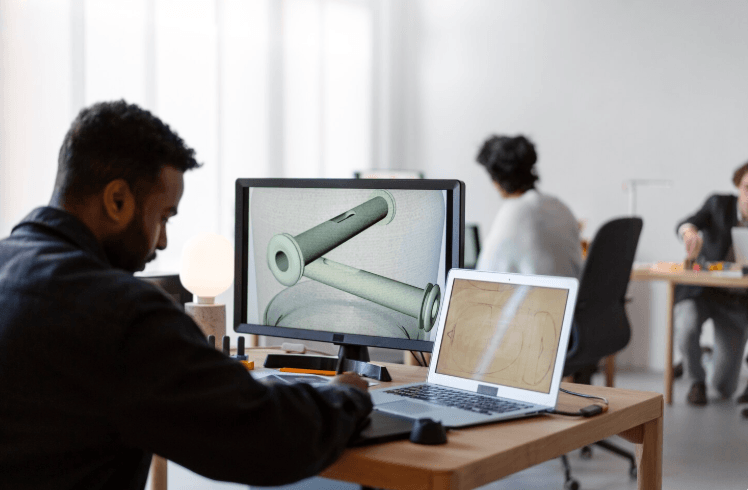
Industrial component design is one of the most important applications of 3D modeling. Digital models are used to create parts with accurate dimensions and specifications. This ensures that all components are properly arranged within advanced system structures. 3D modeling enables designers to evaluate functionality and performance before production. This reduces errors and enhances reliability in industrial operations.
Product Design and Development
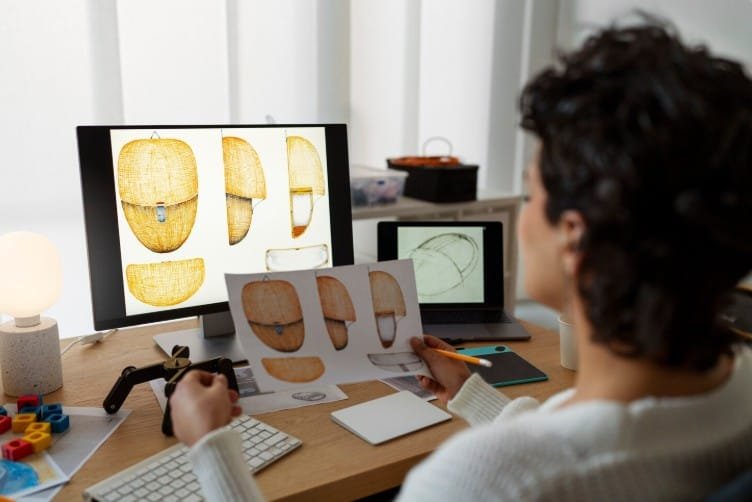
To create and refine new concepts, 3D modeling is extensively used in product design. Before finalizing the design, designers can develop digital prototypes and test different variations. This helps in improving product quality and usability. The ability to make quick modifications allows for continuous improvement. To bring a product from concept to market, it also reduces the time required.
CAD-Based Mechanical Design
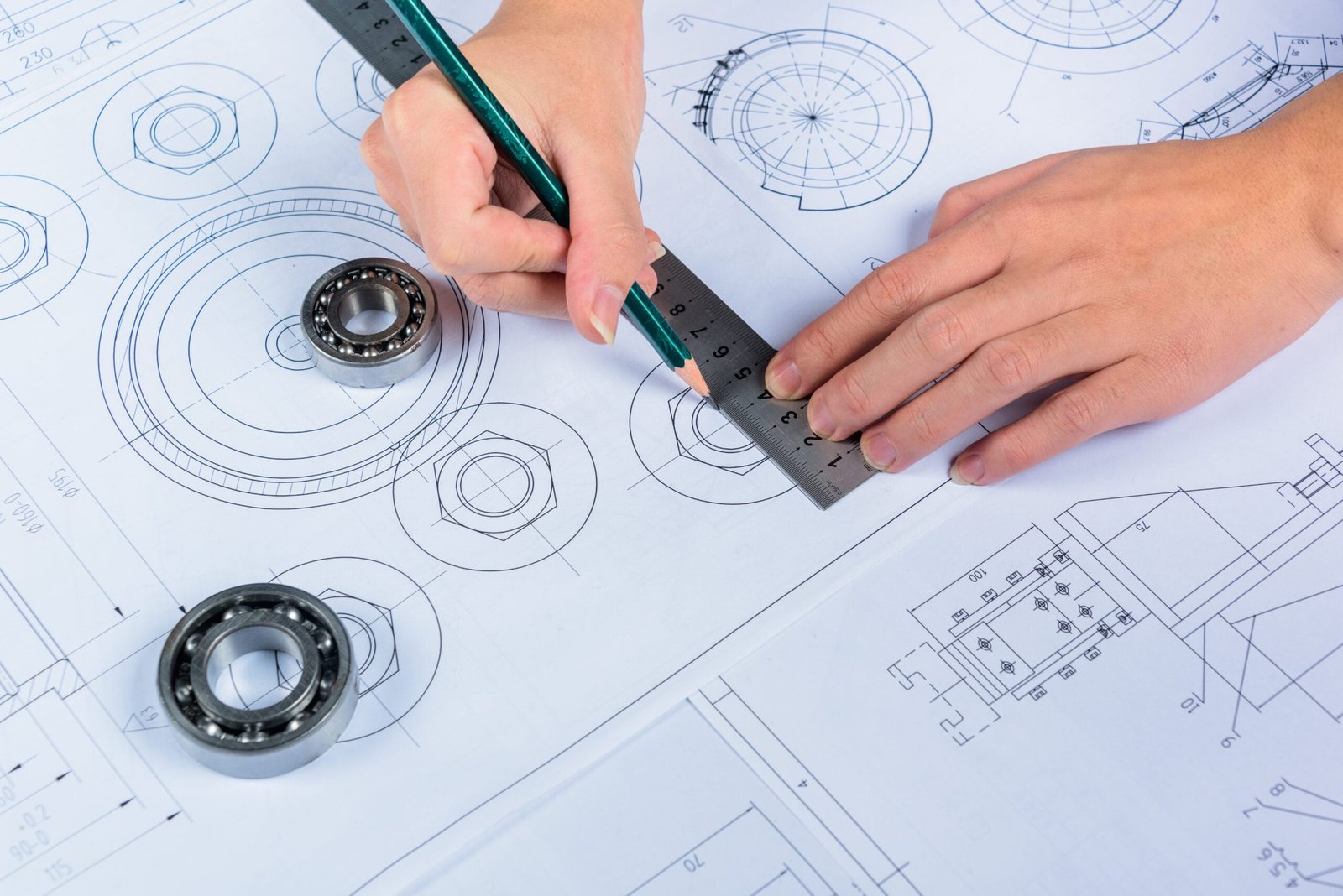
3D modeling is used to create detailed CAD models of systems and components in mechanical design. For manufacturing, these models include detailed measurements and technical details required. Accuracy and consistency are ensured in production. Engineers can also test assemblies and check how different parts interact. Identifying potential issues early in the design process helps greatly.
Prototype Visualization
3D modeling allows the development of digital prototypes that reflect the final product. These prototypes allow designers to evaluate the design without producing physical models. This saves both time and resources during development. Digital prototypes also assist in identifying design flaws and implementing necessary improvements. This results in more efficient and reliable products.
Industrial Visualization and Rendering
The creation of realistic visual representations of products and components is another important application. 3D models can be converted into high-quality renders. They show detailed textures, materials, and lighting. This makes designs more visually appealing. These visuals are useful for presentations, marketing, and client communication. They enable easier comprehension and evaluation of complex design features.
Design Analysis and Testing
3D modeling enables the analysis and testing of designs in a virtual environment. Engineers can evaluate performance, strength, and functionality before manufacturing. This reduces the risk of failure in real-world applications. Designers can improve designs without extra costs by detecting issues early. This leads to more efficient and consistent design processes. Design HOK delivers the applications of 3d modeling.
Technical Documentation and Communication
To create technical documentation, such as drawings and design specifications, 3D models are often used. These documents contain comprehensive information required for manufacturing and assembly. This ensures that all stakeholders have a clear understanding of the design. 3D visualization improves communication between teams and clients. It strengthens the presentation of ideas and reduces the chances of confusion.
Workflow Optimization
3D modeling improves overall workflow in design and development processes. It helps designers improve efficiency by reducing manual effort and repetitive tasks. Digital tools streamline the entire design cycle. A well-organized workflow leads to faster project completion and improved productivity. By an organized workflow, consistency and quality in design results are guaranteed.
Advantages of 3D Modeling Applications
In modern industries, the applications of 3D modeling provide several advantages. They improve accuracy, reduce errors, and enhance visualization. Without being limited by physical factors, designers can explore multiple ideas. These applications reduce the need for physical models and lower development costs. This makes the design process more efficient and cost-effective.

Future of 3D Modeling Applications
By emerging technologies such as artificial intelligence and real-time rendering, the future of 3D modeling is being shaped. These innovations are improving design efficiency and enabling more advanced visualization. They also improve the speed and accuracy of modeling processes. The importance of 3D modeling will steadily increase with the continued adoption of digital technologies. It will persist as a core and essential tool in contemporary design and manufacturing environments.
Conclusion
For modern design and industrial processes, the applications of 3D modeling are essential. They allow professionals to develop precise, efficient, and visually attractive designs. Industries can improve productivity and reduce development costs by using digital models. 3D modeling will continue to play a vital role in innovation with continuous technological advancements. It supports the conversion of ideas into practical and effective solutions using powerful tools.
FAQs
Q1: What are the main applications of 3D modeling?
Industrial design, product development, mechanical design, and visualization for creating accurate and detailed digital models are the main applications of 3D modeling.
Q2: How does 3D modeling improve product design?
It allows designers to create digital prototypes, test different ideas, and make improvements before production. This reduces errors and enhances product quality.
Q3: Can 3D modeling reduce production costs?
Yes, it reduces the need for physical models and minimizes design errors. It lowers overall development and production costs.
Q4: Why is 3D visualization important?
In presenting designs clearly and effectively, 3D visualization helps. 3D visualization improves communication. To understand the design better, it allows stakeholders.
Q5: How is 3D modeling used in engineering?
Engineering uses 3D modeling to design components, evaluate functionality, and ensure accurate production. In engineering projects, this results in improved efficiency and performance stability.
Q6: What skills are required for 3D modeling applications?
3D modeling applications generally require skills such as geometry comprehension, detail orientation, and modeling software proficiency. For effective 3D modeling, these skills are crucial.
Q7: What is the role of CAD in 3D modeling?
To create precise and technical models with accurate measurements, CAD tools are used. CAD in 3D modeling is crucial for industrial and mechanical design.
Q8: How does 3D modeling improve workflow?
By minimizing direct effort and allowing quicker modifications, it streamlines the design process. This improves productivity and efficiency.