


How does 3D Modeling work? Understanding how 3D modeling works is important in this digital world. Using this process, three-dimensional representations of objects can be created. These models are widely used in engineering, animation, and product design. Designers can create highly detailed and accurate digital objects with the help of modern tools. This allows them to visualize, test, and improve designs before they are physically produced.
What is 3D modeling?
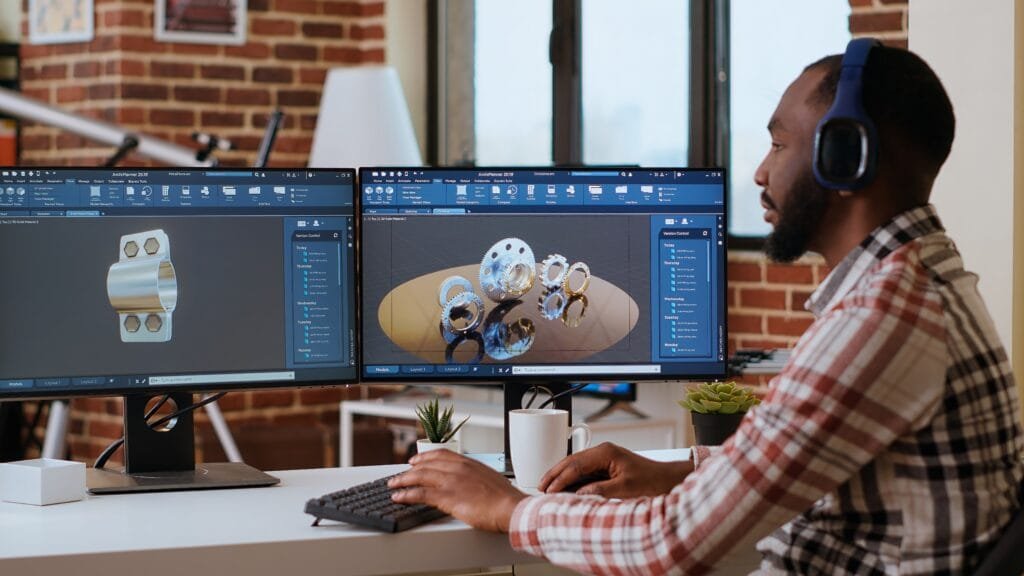
The process of creating a digital representation of an object in three dimensions is known as 3D modeling. These dimensions include height, width, and depth, making the object appear realistic and measurable. The model is built using points, edges, and surfaces in a virtual environment.
Designers are allowed to create models. It forms the foundation for many digital processes, including rendering, animation, and simulation.
Basic Concept of How 3D Modeling Works
To understand how 3D modeling works, it is important to know that it starts with creating a basic shape. Designers use geometric forms as a starting point. To match the required design, these shapes are then modified.
The process involves adding details, refining surfaces, and adjusting dimensions. Designers transform simple shapes into complex and functional structures by frequently editing the model.
Types of 3D Modeling Techniques
There are different techniques used in 3D modeling.
Polygon Modeling
Polygon modeling is one of the most extensively used techniques in 3D design. It comprises creating objects using polygons. Polygon modeling is frequently used in animation.
Designers are authorized to control the details of the model efficiently.
However, accomplishing high precision can sometimes be challenging compared to other methods.
Solid Modeling
Solid modeling is all about making things that have a certain volume and physical properties. Engineers and manufacturers often use solid modeling. It makes sure that the model behaves like an event in the real world.
Designers can check the size of models. This makes solid modeling very useful for use in industry.
Surface Modeling
To create smooth and complex surfaces, surface modeling is used. It is often applied in automotive and product design. This technique focuses more on the outer shape rather than the internal structure.
Designers are allowed to create visually appealing and detailed models. To convert into solid models for manufacturing, it may require additional steps.
Steps Involved in 3D Modeling
To ensure certainty and efficiency, the process of 3D modeling follows a structured workflow.
The following steps are involved in 3D modeling.
Creating the Base Model
3D modeling creates a base model using simple shapes. To form the initial structure of the object, designers use basic geometry.
Once the base is created, it is gradually modified to match the desired design. This step is crucial as it determines the overall shape and proportions of the model. At Design HOK, we guide you on how does 3d modeling works.
Adding Details and Refinement
To improve realism after creating the base model, designers begin adding details. Adjusting edges and enhancing geometry are included in it. It makes the model more accurate. Refinement also involves correcting errors and ensuring that the model meets design requirements. This stage requires attention to detail and technical competence.
Texturing and Materials
The process of implementing colors, patterns, and materials on the model is known as texturing. It makes the object look real. Tools can be used to apply materials. Texturing enhances the visual quality of the model and prepares it for rendering. Proper texturing makes the object look more natural and professional.
Role of 3D Rendering
The model is converted into a realistic image in 3D rendering. Creating a lifelike representation, it involves adding lighting, shadows, and camera angles. Rendering helps in presenting the model effectively. This process is widely used in marketing and product development. Stakeholders are allowed to visualize the final product.
Advantages of 3D Modeling
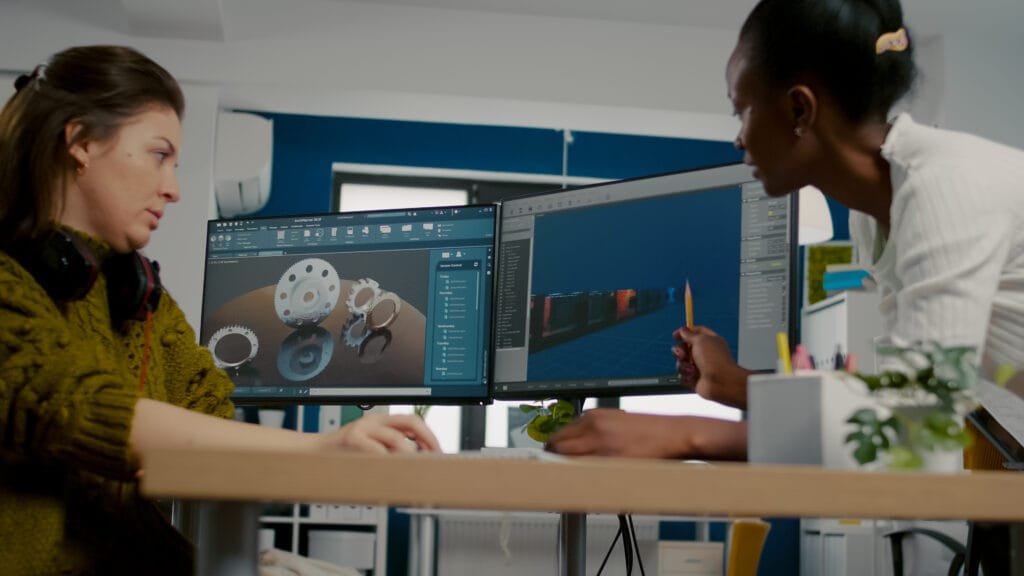
3D modeling is used in the design and development process. It makes things more accurate, cuts down on mistakes, and makes it easy to change things. Designers can try out different ideas without having to worry about physical limits.
3D modeling saves time and money. It enhances communication by giving clear and detailed visual representations.
Challenges in 3D Modeling
3D modeling faces certain objections. Creating accurate models, it requires technical skills and experience. Complex designs can take a significant amount of time to develop.
The performance of 3D modeling is affected by the software limitations.
Future of 3D Modeling
Modernization enhances the future of 3D modeling. These technologies are making the modeling process more productive. They also allow for more rational and bilateral designs.
The insistence on 3D modeling will increase as industries continue to support digital solutions. It will play a key role in enhancing the future of design and manufacturing.
Conclusion
Understanding how 3D modeling works provides valuable insight into modern design processes. Accomplishing, elevating, and visualizing digital models with high precision are convoluted in 3D modeling.
3D modeling will continue to improve and expand its applications with continuous advancements. For innovation, making it a critical part of modern engineering and design, it offers influential appliances.
FAQs
Q1: What is the process of 3D modeling?
3D modeling is the process of making digital copies of things with special software.
Designers start with basic shapes and then make them more detailed by changing the geometry, dimensions, and surfaces.
Q2: What software is commonly used for 3D modeling?
CAD programs and digital design applications are used for 3D modeling. These tools provide features for creating, editing, and visualizing models with flexibility.
Q3: What are the main types of 3D modeling?
Polygon modeling, solid modeling, and surface modeling are the main types of 3D modeling. Each type serves different aspirations, such as visual design, engineering accuracy, or creating smooth and complex surfaces.
Q4: Can 3D models be modified after creation?
Using modeling software, 3D models can be easily modified. Without starting from scratch, making the process flexible and efficient, designers can adjust dimensions, shapes, and features.
Q5: What is the role of textures in 3D modeling?
To make a model look realistic, colors, patterns, surface details, and textures are used.
Q6: How long does it take to create a 3D model?
The time required depends on the complexity of the model. Simple models can be created expeditiously. Complex designs may take several hours or days.
Q7: What skills are required for 3D modeling?
Technical skills, creativity, and a strong understanding of design principles are required for 3D modeling. For producing accurate models, knowledge of software tools and attention to detail are also essential.
Q8: What industries use 3D modeling the most?
Engineering and manufacturing extensively use 3D modeling. 3D modeling plays an important role in design, visualization, and product development.




Howdy just wanterd to give you a quick heads up.
The textt in your content seem to be running offf the screen in Safari.
I’m not sure if this is a format issue or something tto do with browser compatibility but I
figured I’d post to let you know. The design look
great though! Hope you get the issue resolved soon. Cheers
Thank you for letting me know! I really appreciate the heads-up. I’ll check the formatting and browser compatibility to fix the issue. Glad to hear you like the design—your feedback is very helpful!