
An understanding of 3D modeling is essential for anyone directing their efforts to enter the fields of design. 3D modeling is a structured process that involves creating three-dimensional objects using specialized software. In product development, industrial design, and technical presentations, these models are extensively used. Beginners can now learn 3D modeling more efficiently with the availability of advanced tools. In building foundational skills and ensuring a smooth transition toward professional-level design work, a systematic approach helps. Design HOK provides a complete guide on how to start 3d modeling.

Understanding the Fundamentals
Before beginning, an understanding of the fundamental principles of 3D modeling is important. Three dimensions, height, width, and depth, define a 3D model. Objects can exist in a realistic digital space. These models are constructed using geometric elements such as vertices, edges, and faces.
A strong understanding of these fundamentals enables beginners to create structured and accurate designs. For learning advanced modeling techniques and workflows, it also provides a strong foundation. The question is how to start 3d modeling?
STEPS
1. Selecting Appropriate Software
Learning how to start 3D modeling, choosing the right software is critical. Choosing the right software is a critical step in learning 3D modeling. Beginners should adopt tools that provide a balance between simplicity and functionality. This allows them to focus on learning core concepts without being affected by complex features.
For industrial and product-focused learning, software that supports CAD-based modeling is highly recommended. Overall productivity can be significantly improved by choosing the right software.
2. Learning Basic Modeling Techniques
After selecting the software, learn fundamental modeling techniques. This includes working with basic geometric shapes and gradually transforming them into more complicated forms.
These techniques form the core of all 3D design processes. Beginners gain a clear understanding of structure and dimensions through rational practice. In building confidence and achieving accurate models, understanding basic techniques is important. This guide is about how to start 3D Modeling.
3. Understanding Geometry and Topology
Understanding geometry and topology plays a crucial role in creating high-quality 3D models. The shape and structure of the model are defined by geometry. Topology ensures that the model is well-organized. By proper topology, visual quality and functionality can be improved.
Understanding of these concepts plays an important role in avoiding design problems. In further processes like rendering and simulation, it also ensures that the model performs well.
4. Working on Simple Projects
To learn 3D modeling, starting with transparent projects is one of the most impressive ways. Beginners can create basic objects such as tools, containers, or simple mechanical components. In applying theoretical knowledge in a practical context, these projects help.
Consistent practice through small projects improves problem-solving skills and builds confidence. It also strengthens learners’ ability to handle more complex and detailed designs in the future. How to start 3d modeling.
5. Developing CAD-Based Skills
Developing CAD-based modeling skills is highly valuable for individuals focused on industrial applications. CAD tools focus on rigor. It allows designers to create authentic and functional components. For engineering and manufacturing tasks, these skills are essential. Learning CAD modeling enhances the ability to work with technical designs and measurements. It also prepares beginners for professional roles in industrial design environments.
6. Exploring Rendering and Visualization
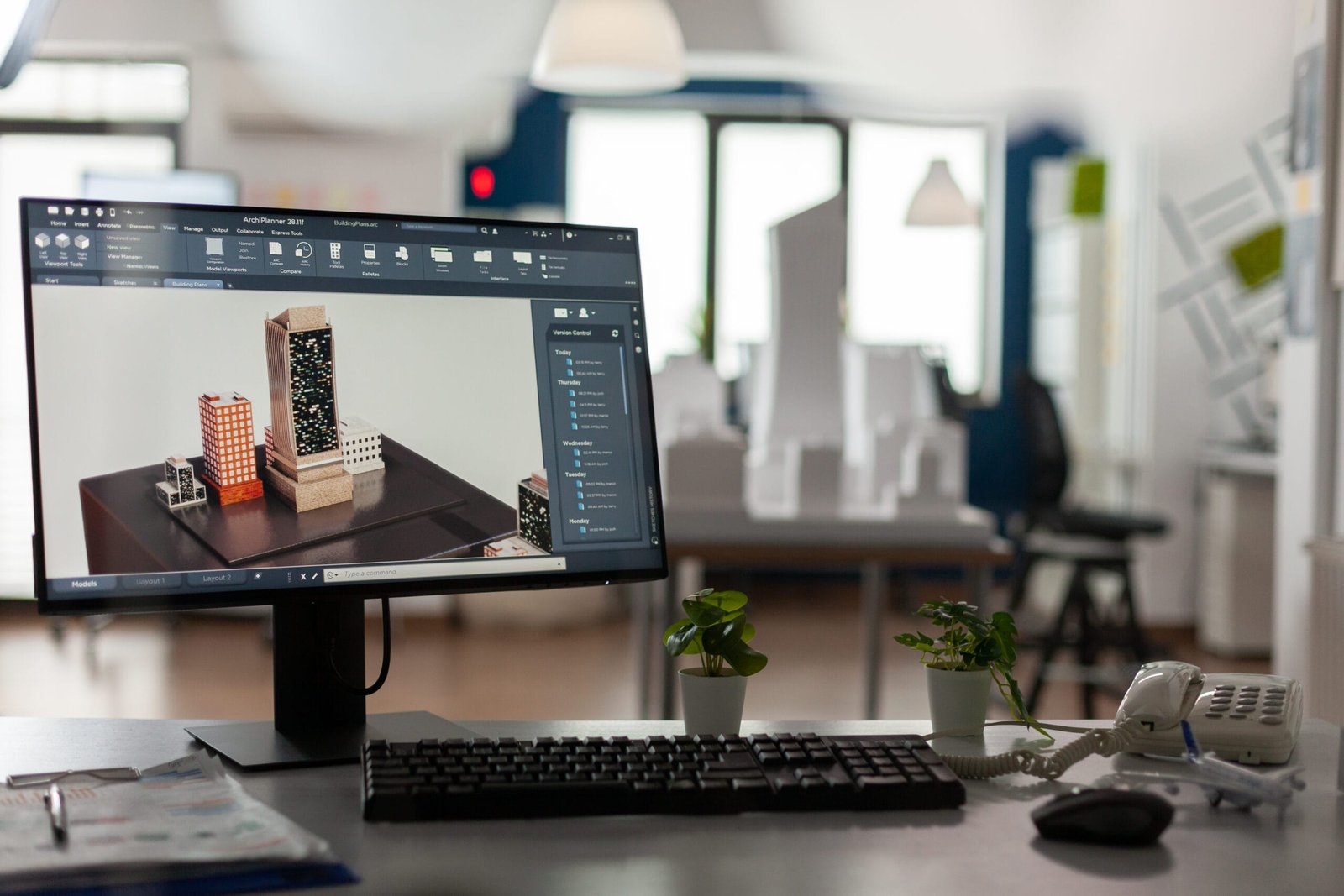
In the 3D modeling process, rendering plays an important role. It targets accomplishing realistic visual outputs. Applying lighting, textures, and materials is used to enhance the appearance of the model. This step is essential for presentations and evaluations. Understanding visualization techniques helps beginners present their work in a professional manner. To communicate design ideas effectively to collaborators, it also enhances the ability to do so.
7. Building a Professional Workflow
Developing a structured workflow for adequate 3D modeling is crucial. It consists of planning the design, creating the model, refining details, and finalizing the output. A well-organized process ensures flexibility and certainty. Beginners can manage projects more effectively by following a systematic workflow. It also helps in diminishing errors and improving overall productivity.
Overcoming Common Challenges
Beginners often have trouble with things like understanding complicated tools and keeping their designs accurate. To learn how to use software and improve technical skills, it takes time and consistent work. To get through these problems, one needs to be patient. Another common problem is keeping the geometry and proportions clean. These problems can be slowly fixed with regular practice and the right help.

Future Opportunities in 3D Modeling
Across different industries, the interest in 3D modeling skills is continuously increasing. Modeling tools are becoming more efficient and accessible with the advancements in technology. This initiates new conveniences in design and engineering fields for professionals.
By mastering the basics and continuously improving skills, beginners can build a strong career in 3D modeling. In modern digital and industrial environments, it remains a profitable skill.
Conclusion
A combination of theoretical understanding and practical application is required to learn how to start 3D modeling. Beginners can develop strong design skills by focusing on fundamentals, selecting appropriate tools, and practicing consistently. This process provides the foundation for advanced learning and professional growth. For ingenuity and modernization with devotion and uninterrupted development, 3D modeling can become a powerful tool. It offers significant opportunities in both technical and innovative industries.
FAQs
Q1: What is the first step in learning 3D modeling?
The first step is to learn the basic ideas behind 3D space, geometry, and modeling. This information gives the basics needed to efficiently use modeling software.
Q2: How should beginners choose 3D modeling software?
Beginners should pick software that has an easy-to-use interface and all the basic modeling tools they need. Beginners should choose something that fits with their learning goals, especially if they want to focus on designing products or industries.
Q3: Why is understanding geometry important in 3D modeling?
Geometry defines how a model is built and how accurate it is. Understanding the basic rules of geometry makes sure that designs are accurate and consistent.
Q4: What role does practice play in learning 3D modeling?
For developing technical skills and improving design accuracy, regular practice is essential. It allows beginners to apply concepts, solve problems, and gain confidence in their abilities.
Q5: How does 3D modeling support industrial design?
To make definite and useful digital models, 3D modeling makes it possible. These are used in product development. It helps test designs, make them more accurate, and cut down on mistakes in production.
Q6: What are the common challenges faced by beginners?
Software complexity, maintaining clean geometry, and understanding design workflows are the common challenges faced by beginners. These challenges can be defeated through steady learning and practice.
Q7: How long does it take to become proficient in 3D modeling?
How long it takes depends on how dedicated the learner is, how much practice they get, and how they go about the task. In a few weeks, you can learn the basics. To get good at something, you might have to work hard and learn through projects for a few months.