

What is mechanical product design?
Mechanical product design involves the process of designing mechanical products or systems. This is an engineering process that entails converting mechanical ideas into workable designs using engineering practices and CAD. In modern-day manufacturing industries, mechanical product design is important in the creation of mechanical systems. The engineers consider numerous standards in their design, focusing on issues regarding the performance and reliability of a given system.

Understanding mechanical product design
The design process of mechanical product design entails an engineering process involved in developing products that have mechanical properties. The product design process comprises some stages, including concept formation, modeling, analysis, testing, and manufacturability. Once someone said that technicality enhances when you get yourself into it, but the question is, what is mechanical product design?
The engineers develop very accurate models using the CAD software for the determination of the size, shapes, and functionality of mechanical products. Mechanical product design is commonly applied in sectors such as automotive, aerospace, manufacturing, robotics, and industrial machinery. The question is, what is mechanical product design? You’ll know from Design HOK.
Importance of Mechanical Product Design
Mechanical product design is essential because it ensures that products are functional, safe, and efficient before production begins. This enables engineers to detect any problems at the outset and enhance the product performance through constant improvement. Every product needs improvement because CAD is a very technical field. What is mechanical product design is all about advancement.
Mechanical design also improves reliability. The design of well-engineered mechanical devices makes it unlikely that they will fail during operation. Cost-effectiveness is enhanced by cutting down on wastage and saving on unnecessary changes to the design. What is mechanical product design?
Mechanical Product Design Process
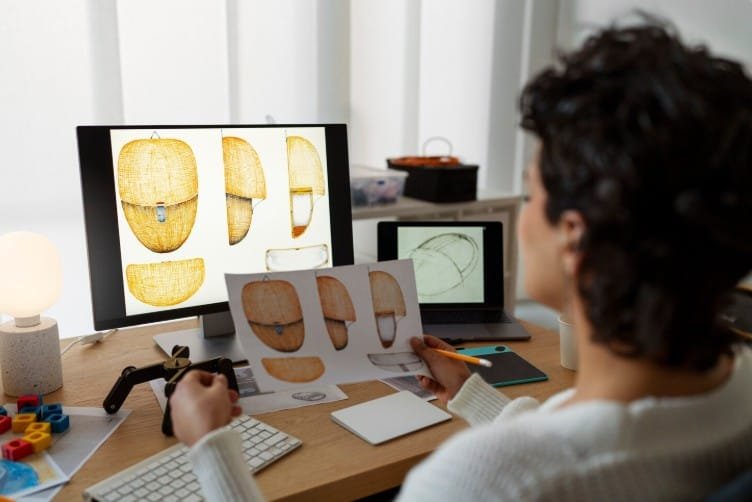
The mechanical product design process includes some vital steps through which an idea transforms into the ultimate design and its development. First, requirement analysis is carried out in which the product requirements, functions, and specifications are determined. Then, in the conceptual design step, rough ideas and sketches of the design are made.
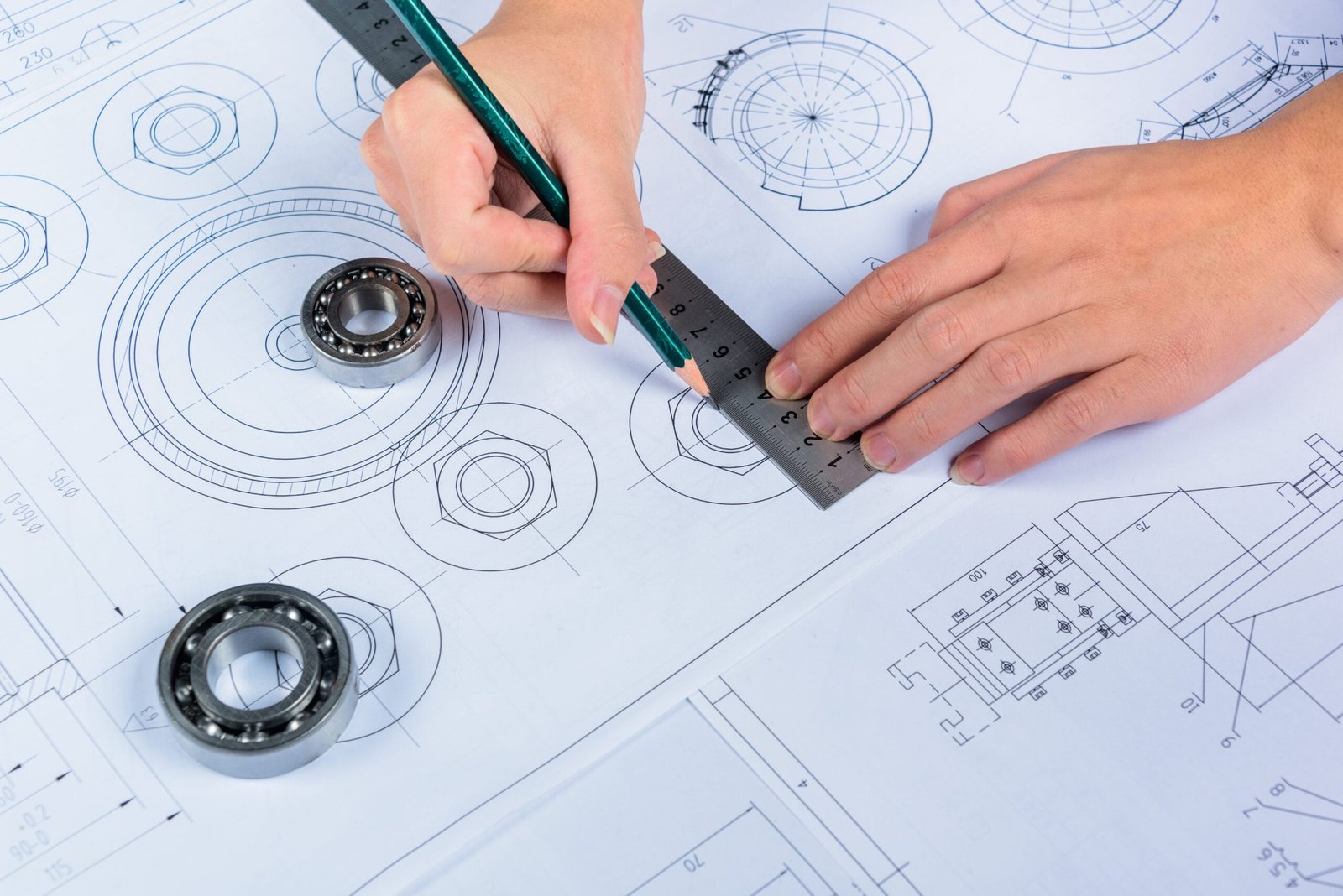
In the next step, 3D modeling using computer-aided design software is done to develop the model of the product digitally. Later on, simulation and analysis of performance and strength/durability are carried out. After optimization of the design, it is taken forward towards prototyping for physical verification of the design. Finally, manufacturing drawings are prepared for manufacturing the product.
Role of CAD in Mechanical Product Design
Computer-Aided Design (CAD) plays a central role in mechanical product design. It allows for the creation of three-dimensional drawings that are precise in terms of scale and contain all technical data. What is mechanical product design always comes to mind when you have to boost your expertise. What is mechanical product design will be an FAQ in this content; you’ll get it below.
This will make it easier to visualize, analyze mechanical properties, and change designs easily. The other advantage is simulation and testing, which will ensure increased accuracy in design. Currently, computer-aided design software is used extensively by industries in designing machine parts and other consumer mechanical devices.
Applications of Mechanical Product Design
Mechanical product design is used in a wide range of industries where physical systems and machinery are required. It is commonly applied in automotive design for engines and vehicle components. It is also used in aerospace engineering for aircraft systems, in manufacturing for industrial machines, and in robotics for mechanical movement systems. Additionally, it is used in consumer products such as appliances, tools, and electronic device components.
Significance of Mechanical Product Design
The significance of mechanical product design lies in its capability of acting as a connection link between theoretical designs in the virtual world and practical manufacturing operations. Every part of the product is developed in such a way that it takes into consideration practical engineering factors like material choice, manufacturing techniques, economy of production, and ease of assembly. The process of developing design models for industrial purposes always involves matching design models with practical production capabilities to ensure there will be no problems in the production phase.

Benefits of Mechanical Product Design
Mechanical product design provides several benefits for engineering and manufacturing industries. It improves product performance by ensuring accurate design and proper functionality. The cost associated with product development is also reduced by solving any design issues at an earlier stage. One more positive aspect of simulation is the ability to develop a product faster due to the absence of the necessity for re-testing the prototype.
Better coordination between the engineering, design, and manufacturing staff members is another benefit provided by simulation. What is mechanical product design? It’s all about innovation and creativity. What is mechanical product design is the most asked question in this field.
Future of Mechanical Product Design
The future of mechanical product design is moving towards a level of sophistication by incorporating technologies such as AI, automation, and simulation. There are new intelligent design tools used by engineers that assist in optimizing their design structure.
Moreover, CAD applications that are cloud-based, along with simulations, have made design processes possible through simulations that provide real-time simulation tools. Through these technologies, engineers are able to do remote work sessions and make designs that are better. Mechanical product design will always be important as technology continues to advance.
Conclusion
Mechanical product design is a fundamental engineering process that transforms ideas into functional mechanical systems and products. It uses creativity, technical expertise, and state-of-the-art computer tools for creating efficient and effective solutions. Mechanical product design involves the process of concept development, through which CAD models are created, and preparation is done for manufacturing. It is an essential part of contemporary engineering and industrial manufacturing.
FAQs
1. What is mechanical product design?
Product design and mechanical systems need engineering activities like concept generation, design using CAD, simulation, and production.
2. How does mechanical product design benefit engineers in their work?
By problem-solving and perception, it guarantees that the product will be safe, efficient, and reliable even before its manufacturing.
3. Which software is used in mechanical product design?
Some examples of CAD software that are applied in designing mechanical products by engineers are SolidWorks, AutoCAD, CATIA, Fusion 360, and Creo.
4. Where does mechanical product design take place?
Mechanical product design usually occurs in the fields of automotive, aerospace, manufacturing, robotics, and industrial machinery.
5. How can CAD influence mechanical product design?
It is applied in order to design, simulate, and visualize the mechanical product design.
6. How does mechanical product design affect manufacturing?
Mechanical product design helps improve the process of product design and avoid errors and waste during the manufacturing process.
7. What role does prototyping play in mechanical product design?
The prototype makes it possible for the engineer to test physical or computerized designs to determine their functionality.