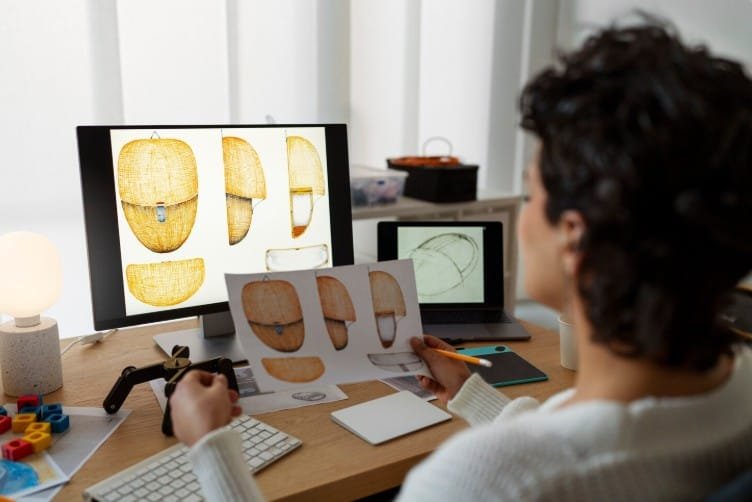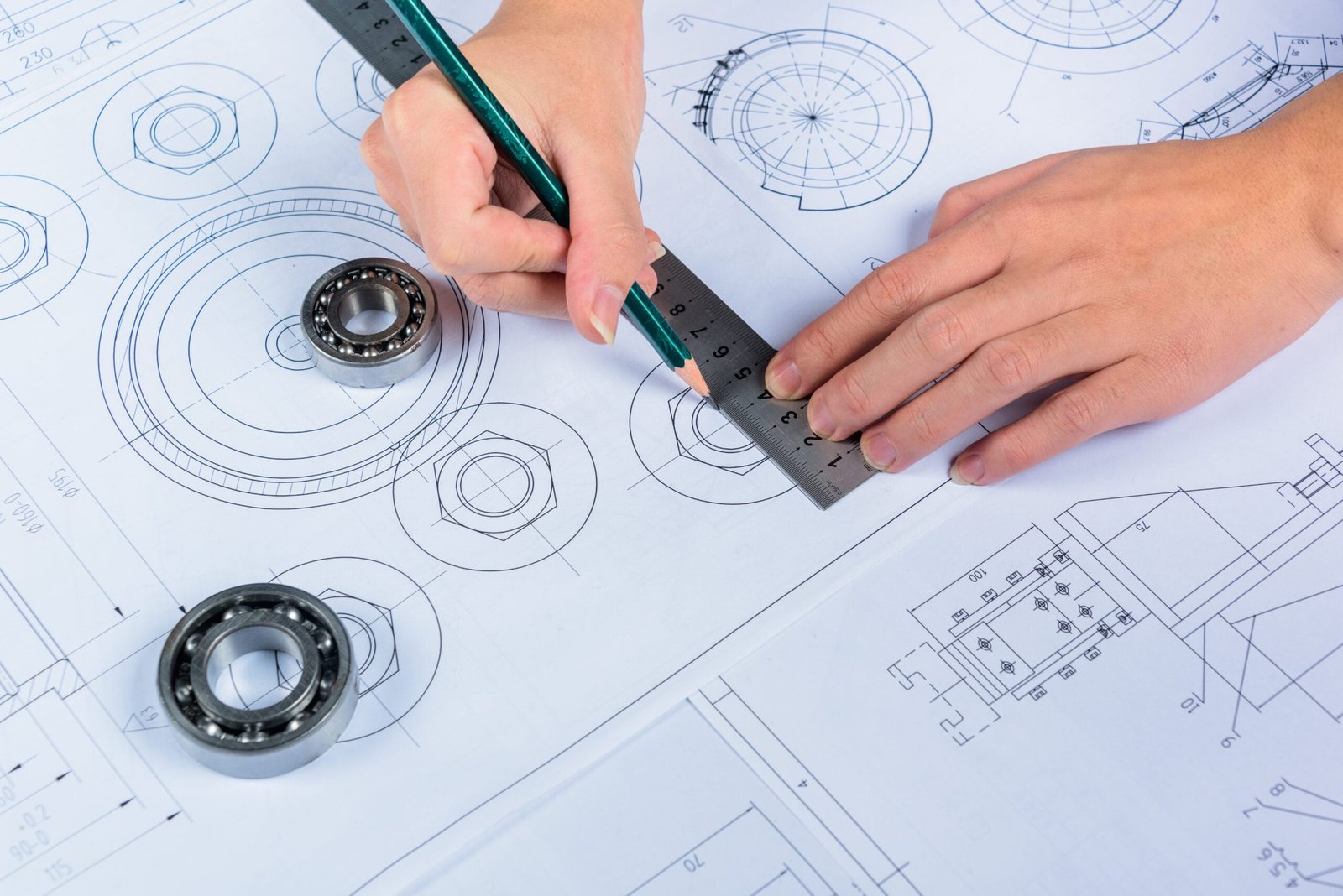


What is rendering in 3d. In technical terms, rendering refers to the act of converting a 3D virtual object into an image or animation with the use of computers. Rendering is when digital objects and 3D models are transformed into professional-looking images, displaying the beauty, materiality, lighting effects, and texture. The process of 3D rendering is widely applied in modern product development and engineering to visualize the product prior to creating the prototype. Using 3D computer visuals, one may get to know the aesthetic aspects of a product along with its visualization properties.
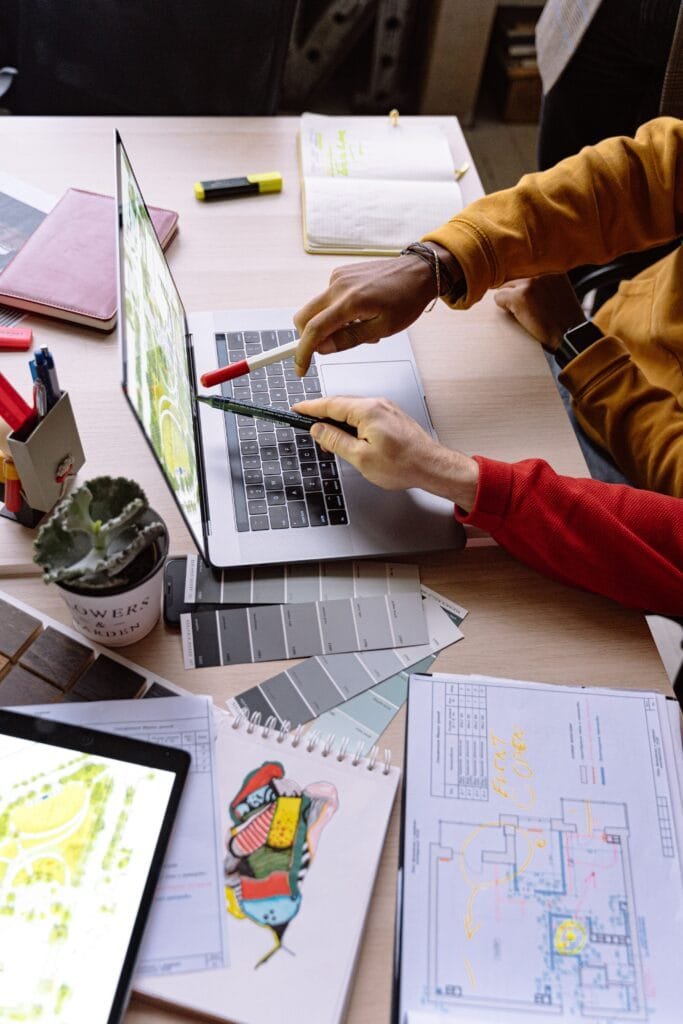
Understanding 3D Rendering
3D rendering is a digital visualization tool that transforms a 3D model into a picture by use of computer-based calculations. Data for geometry, material, texture, lighting, and camera positions can be employed in rendering software to generate 3D renders. Renders present true representations of images and visuals of products. While a 3D model consists of data, a render shows a true picture of a product. What is rendering in 3d is not just a question. Anyone interested in animation should learn what is rendering in 3d and its applications.
How 3D Rendering Works
Colors, lighting, and many other visual properties can then be added to the 3D model. When all these attributes have been integrated with the model data, the rendering engine will calculate how everything in the 3D world will be represented to the viewer, from shadows and light to the texture of the materials. The render produced is saved as digital images such as JPEGs or TIFFs, or as a 3D animation. Every CAD expert should think about what is rendering in 3d.
The Importance of 3D Rendering in Product Development
3D rendering is highly beneficial during product development stages, as it is used to create realistic visualizations that may then be examined. Engineering teams and designers are able to critique the look of a product, identify design flaws, make improvements where necessary, and clearly communicate concepts to colleagues or clients. Early and comprehensive visualization of a product before the development of the actual physical prototypes helps designers ensure a design is technically sound, practical, and looks as intended. What is rendering in 3d dimension? Only professionals know when it comes how it changes the technology world. Search engines receive thousands of queries about what is rendering in 3d every month.
Product Visualization and Presentation
The most practical use for a 3D rendered image is in product visualization. A business can utilize a rendered image in presentations to help clients and customers understand a product. Whether it is showing how a piece of equipment will look in situ or demonstrating its functional attributes, the use of realistic renderings helps to communicate a product’s visual impact. Such visuals help with customer comprehension of design elements and the evaluation of a product’s presentation quality and can improve customer engagement and sales outcomes. To improve image quality, it is helpful to understand what is rendering in 3d.
Material and Surface Representation
3D rendering is the best possible tool for rendering materials and their surfaces realistically, and this can be crucial during product visualization. An engineer or designer must verify how a material such as steel, plastic, rubber, glass, or a composite will react with the lighting and the other components and features it is displayed alongside. The look of a material can differ depending on the light that is incident upon it, and with the aid of 3D rendering, it is possible to see a representation of how it will look and compare alternative materials and surfaces. When exploring digital art, many people ask what is rendering in 3d and why it is important.
Design Review and Client Approval
Using 3D renderings will make it easier for engineers and designers to present their designs to their clients for approval. Instead of interpreting the meaning of technical drawings and specifications, clients will be able to study a virtual representation of the finished product and confirm if it is to their liking and can be approved for further development. Such close collaboration will aid in ensuring that all involved are working toward the same end product and will reduce confusion that can lead to the need for changes late in the production cycle. Many beginners ask, What is rendering in 3d, before starting CAD projects.
Marketing and Product Promotion
3D renderings are invaluable to a company when launching a new product into the market. As the final product has not yet been physically produced, a high-quality rendered image of it may be presented at presentations, in advertising materials, on a company’s website, and in brochures. Any marketing endeavors can commence before the actual launch date, enabling a head start to promotion with only fully rendered visuals of the product available to present to the world. A common question in animation is, What is rendering in 3d and how does it work?
Integration with Engineering Workflows
3D rendering can be directly linked to CAD programs or CAD models, meaning there is no need to reconstruct the design from scratch for rendering. This integration between engineering software and 3D rendering software greatly improves and streamlines the design workflow and enhances cooperation and efficiency between engineering, design, and marketing teams. Design HOK, provide a complete guide on what rendering is in 3d. If you want to learn CAD skills, you may wonder what is rendering in 3d.

Benefits of 3D Rendering
Overall, the benefits of using professional 3D rendering include higher-quality visualization, enhanced design and engineering communication, improved review time of designs, and higher-impact product presentations. All of these benefits will lead to increased efficiencies and a reduction in costs when developing products for launch and production. What is rendering in 3d? It’s important to know if you want to create a user-centric model. Find out what is rendering in 3d.
Role of 3D Rendering in Manufacturing Preparation
3D rendering can also aid the manufacturing process. A manufacturer will often check with the design and engineering team for what should be built before proceeding with production of actual prototypes and final models. With the utilization of 3D renderings, a manufacturer will be confident that he has the most precise picture and information possible regarding what will be manufactured from their plans. This will ensure that when manufacturing the product, the result meets or even exceeds a customer’s expectations. Knowing what is rendering in 3d is essential for creating high-quality 3D rendering. Practice what is rendering in 3d skills.
The Future of 3D Rendering
3D rendering continues to advance with rendering technologies, high-speed real-time viewing tools, and cloud-based rendering platforms becoming readily available and efficient. As digital designs become more sophisticated, the future promises even more speed, photorealism, and accessibility. With all these innovations, rendering remains an integral component of engineering visualization processes. Engineers researching CAD often search for what is rendering in 3d online.
Conclusion
The use of 3D rendering provides a method by which images and animations may be rendered from digital data, which, once complete, allows organizations to enhance their product visuals, carry out effective design and engineering communication, and conduct more successful marketing campaigns. Whether used to enable visualization of products, ensure correct materials are displayed, or allow for client approval before production, 3D rendering is a crucial part of modern engineering, design, and manufacturing processes.
FAQ
1. What is 3D rendering?
3D rendering is the process of converting digital 3D models into images or animations by utilizing rendering software, lighting, materials, and visualization.
2. Why is 3D rendering used for product design?
Designers and engineers can use this technique to visualize products before manufacturing and thus assess and judge the visual appearance, materials, and quality of design.
3. Which industries utilize 3D rendering?
Industries of manufacturing, product design, industrial engineering, the auto industry, consumer products, medical device development, and the advertising industry use 3D rendering.
4. Can 3D rendering save costs in the development process?
The visual presentations can show potential flaws of design, and it makes evaluating the product appearance easy without physically producing the sample models, helping to save expenses in design and development costs.
5. How is 3D rendering used to communicate with the client?
Visualization of 3D models with the help of renderings enables clients or any stakeholder to get a clear idea about a 3D model or its details instead of relying on just the CAD model.
6. Why should one use professional 3D rendering services?
The professional services for 3D rendering make visualizations, enhance presentations, promote review, strengthen marketing, and fast-track approvals.