
3D CAD, which stands for three-dimensional computer-aided design, is a computer-based engineering technology that helps to develop virtual representations of mechanical parts and components as well as the finished products. This technology has become an integral part of modern product development because it enables engineers and designers to envision ideas, develop product designs, and prepare products for manufacture using digital media. Compared with traditional engineering methods, 3D CAD enables better results in terms of accuracy, efficiency, and overall process flexibility. Design HOK’s services pages provide complete assistance for 3d CAD projects.

Understanding 3D CAD
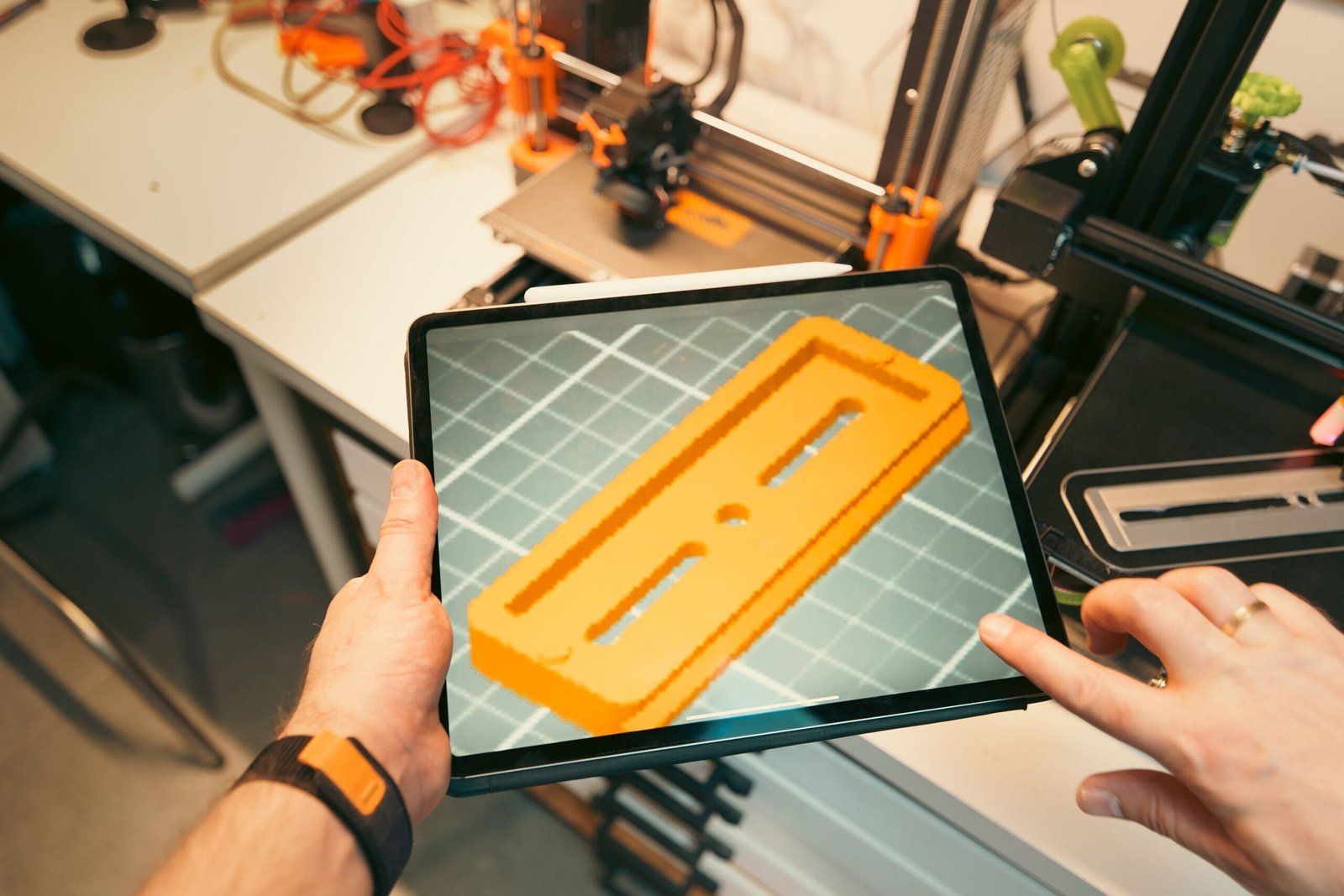
3D CAD enables engineers to create detailed three-dimensional representations of products using specialized design software. Digital models give an accurate description of geometrical shape, dimensions, materials used, and interactions between components. This will provide the much-needed reliability in any engineering task. The digital models can be easily edited through the design process without redoing the whole process. This will ensure that engineering teams can quickly adapt to changes in design.
3D Product Modeling
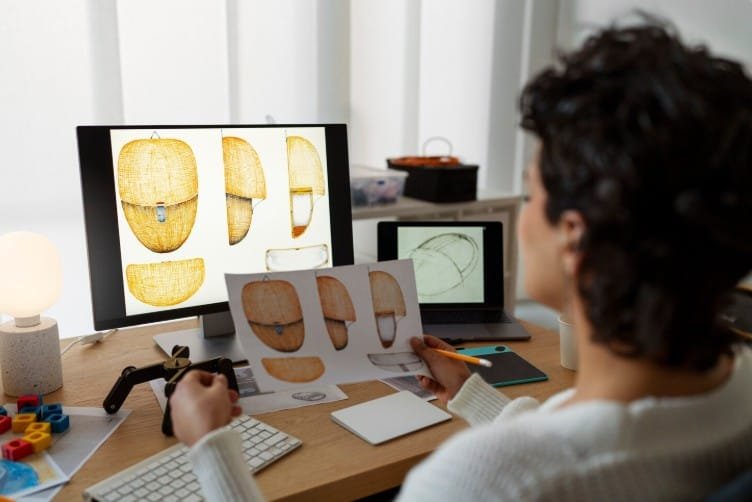
A major role of 3D CAD includes making exact models of products, which will be used for evaluation purposes before the manufacturing process starts. Such models will help engineers to see how the product works and whether its shape and dimensions suit the needs of the end consumer. Visualization of a product helps engineers make better decisions during the design process.
Assembly Design
3D Computer aided design supports the creation of complete mechanical assemblies by combining multiple components into a single digital model. It is possible to check for part alignment, analyze component interaction, and detect interference before manufacture. The use of assembly modeling leads to better quality products through early detection of design problems.
Engineering Documentation
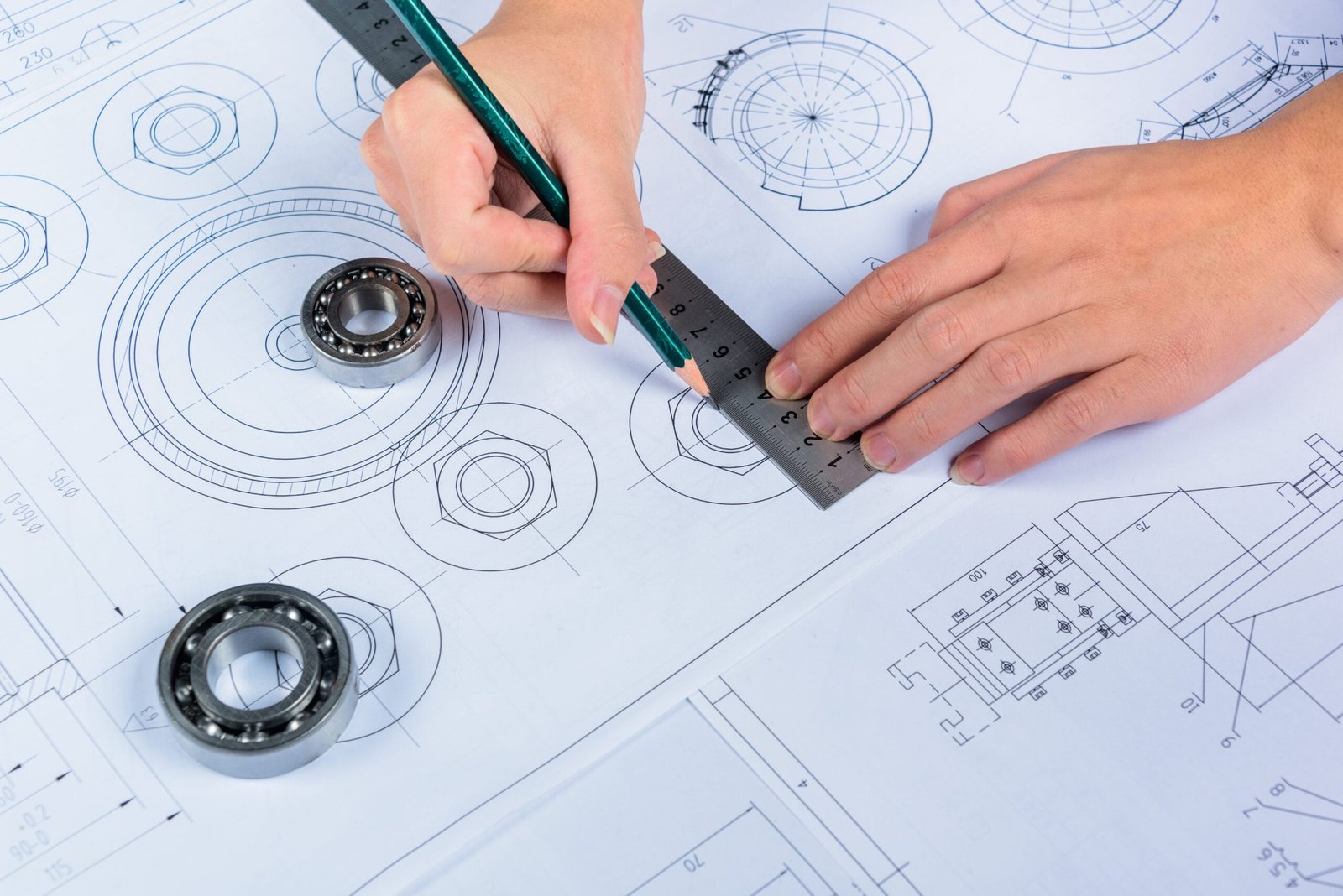
Technical documentation is crucial in engineering activities, and the use of CAD makes it easier to accomplish through the creation of engineering drawings from the digital model. The engineers can create dimensions, tolerances, and annotations as well as assembly details, all consistent with the design originally created. This ensures better communication between engineers, manufacturers, and quality controllers.
Design Validation
Before manufacture, products have to be validated to make sure that they satisfy all the engineering criteria. CAD is important in the process of validation of the design because engineers are able to test the geometry, assembly of components, and overall design. Early validation of designs allows for finding possible problems and fixing them even prior to going into production.
Product Development Support
3D CAD is fundamental in product design through its ability to help engineers translate their concepts into digital designs that can be manufactured. Alternative designs can be analyzed, improved product performance ensured, and engineering solutions optimized before prototype development. Digital design leads to better decision-making and quality engineering products.
Preparing for Manufacturing
In order to prepare for manufacturing, accurate information related to the design is required, and 3D CAD helps provide such information in relation to the model and the documentation required for manufacturing. It allows engineers to check if there are any manufacturing requirements, prepare assembly documentation, and ensure that the product meets all the manufacturing specifications. It helps in improving communication between the design and manufacturing departments and increases the efficiency of the manufacturing process.
Integrating CAD Workflows
The modern engineering process requires the seamless blending of digital workflow processes, and 3D CAD provides an efficient way of working together on design, engineering, and manufacturing. Design data can be easily transferred between systems without loss of data. Digital workflows help in project coordination, prevent duplication of effort, and ensure consistency of engineering data throughout the development process of products.

Accuracy and Efficiency
One of the most valuable assets of 3D CAD software is the capability of increasing both accuracy and efficiency. The digital design minimizes errors and allows engineers to make changes in their designs quickly and uniformly. Efficiency helps engineers to do projects in less time without reducing the quality of the products.
Industry Applications
3D CAD is widely used across mechanical engineering, industrial equipment design, machinery development, manufacturing, automotive engineering, and product development. The organizations use digital modeling to ensure more accurate engineering, efficient processes, and readiness for manufacturing. With all these industries using digital engineering tools, 3D CAD systems have become the most important tool to create innovative and reliable products.
Conclusion
3D CAD systems have revolutionized how engineering companies design, create, and manufacture their products. The features of digital modeling, assembly creation, engineering documentation, design validation, and manufacturing preparation offered by 3D CAD systems have improved efficiency in the entire product life cycle. With the advancements in engineering work processes as well as collaboration among development groups, 3D CAD software continues to be important in product design and manufacturing.
FAQs
1. What is 3D CAD?
A computer model of an object is made using the technology of 3D CAD. This can help create a fully precise three-dimensional model.
2. How is 3D CAD important?
It enhances the design to be more accurate, and visualization helps the user visualize more effectively and engineer procedures better & fast.
3. How does 3D CAD assist in product design?
It assists engineers in fine-tuning their virtual product design before real manufacturing.
4. What are the advantages of 3D CAD?
The most important advantages include increased accuracy of the design, reduced time spent on design, and collaboration within the engineering team on one project.
5. How does 3D CAD ensure design precision?
Creating a precise digital representation is part of the process that leads to an accurate one because it leaves out errors.
6. Can 3D CAD create engineering drawings?
Yes, 3D CAD software helps to produce technical drawings, dimensions, and other engineering information.
7. How does 3D CAD assist in manufacturing?
The process uses production-ready design data for facilitating manufacturing and assembly.
8. What is the importance of CAD workflow integration?
Workflow integration enhances communication, consistency of data, and collaboration throughout the process of product development.