
At Design HOK, Mechanical Design Engineers are responsible for the whole project. The primary responsibilities and necessary skills of a mechanical design engineer are described. It also contains a quick “frequently asked questions” section that answers some of the most common questions about this vital role, making it easy to understand the role these engineers play in the creation of the systems and products we use every day. Design HOK could be a better option to visualize your projects before manufacturing.
Mechanical design engineering: What is it?
Talking about engineering, What They Do and Common Questions is especially remarkable in its efforts to contribute to the evolution of the equipment and machinery that drives various industries. What does a design engineer do, and why is this role so crucial in today’s technological setting? This blog will discuss the roles, skills, and importance of mechanical design engineers. The Role of a Mechanical Design Engineer: A Mechanical Design Engineer What They Do and Common Questions is tasked with the design, development, and testing of mechanical devices and systems. Examples of mechanical designs vary from a gear or sensor to a complete engine or industrial machine.
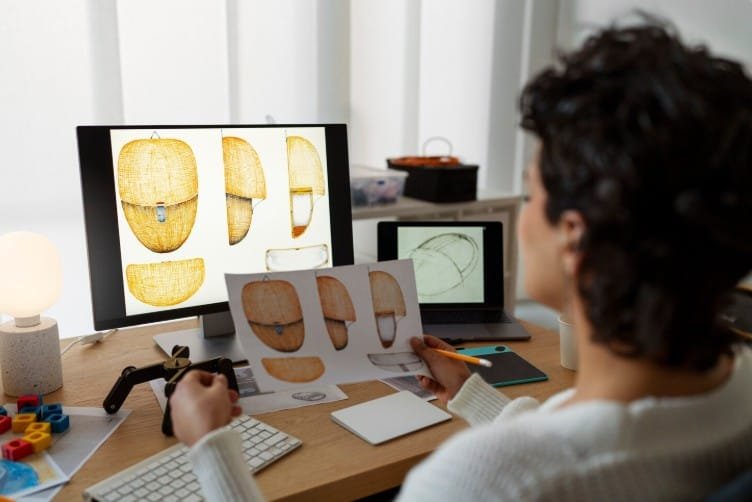
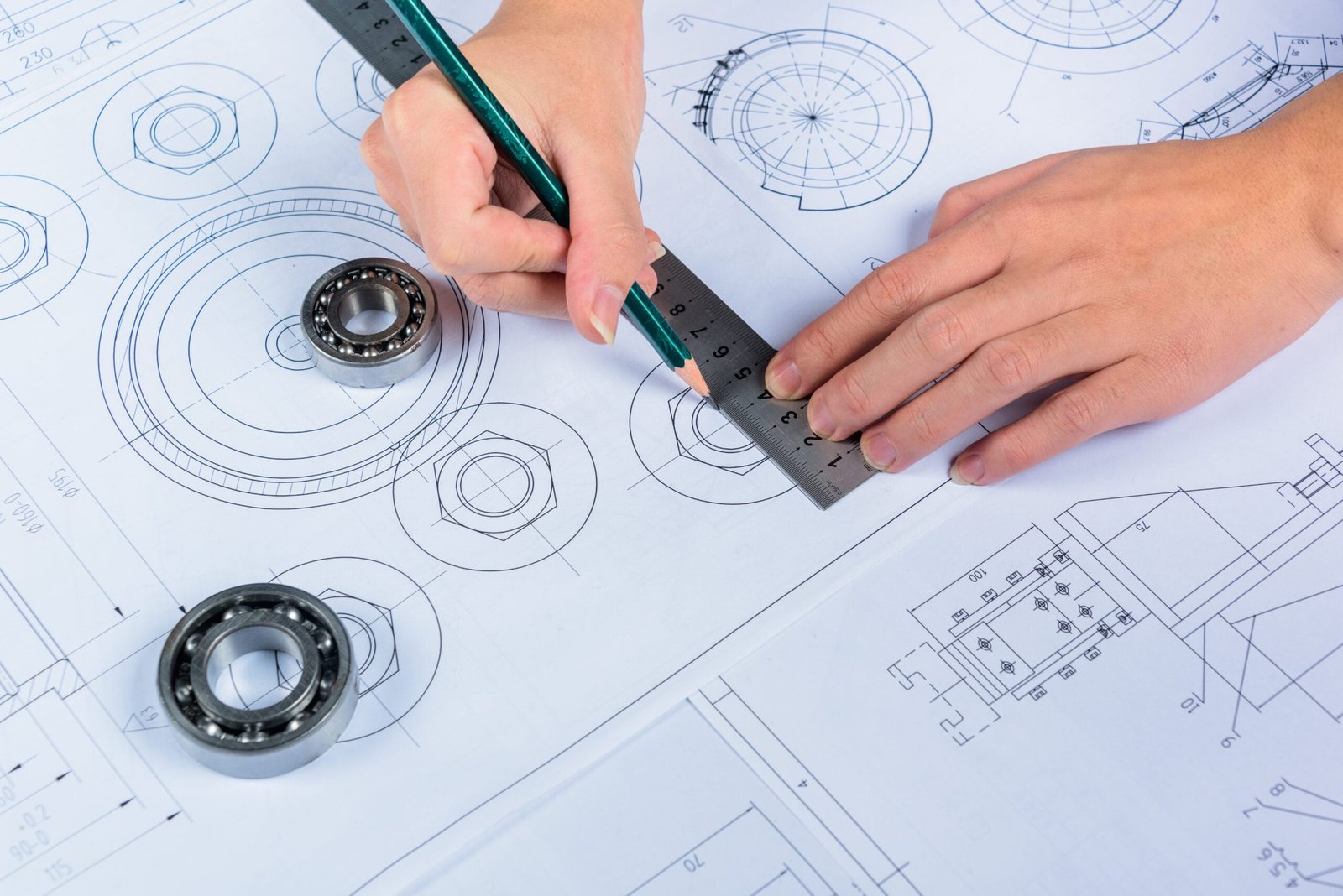
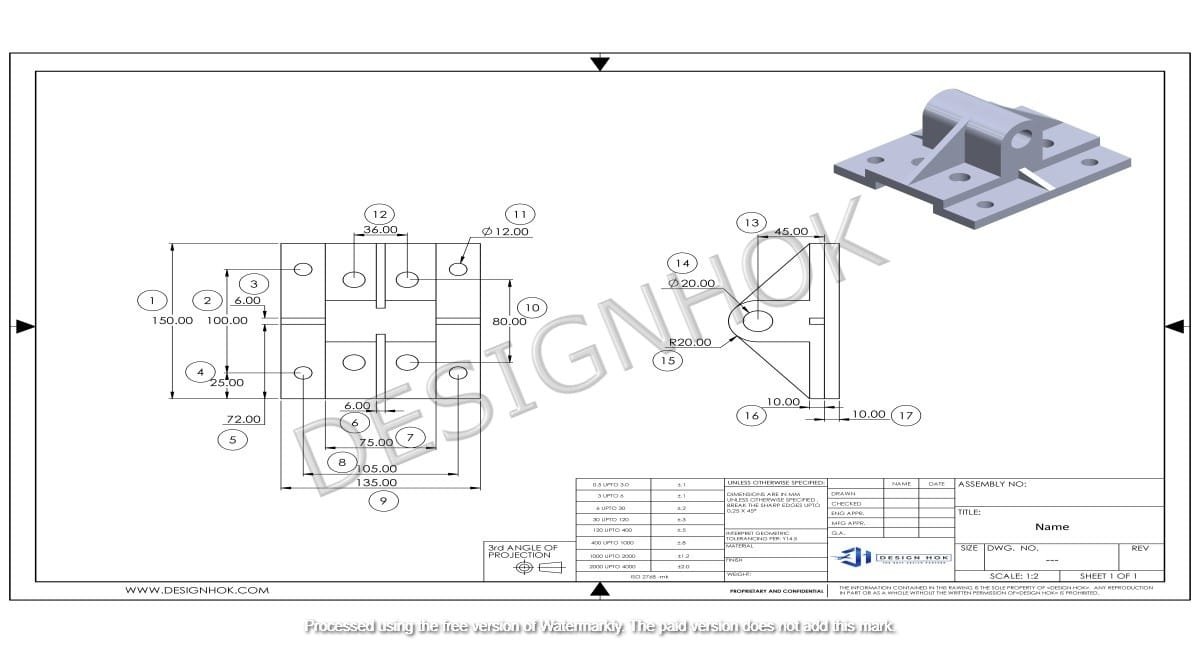
Typically, mechanical designs start with understanding what’s needed for the project. Typically, you will speak to the customers or others who are part of the design process concerning the future use of the product and what functions it should perform, as well as the limits of the product’s design, prior to creation/designing the product. Once the designer gathers all the necessary information, the designer will create initial concept sketches, and the initial concept sketches can subsequently be developed into more detailed drawings through the use of Computer-Aided Design (CAD) software.
After creating the design, many analyses will be performed to make certain the design meets all requirements. To prove the performance of the product, engineers create various simulations based on different environmental conditions (stress, heat, and wear, mainly). During this phase of engineering, consideration is also given to the material selection criteria, the manufacturing processes that will produce the final product, and cost-effectiveness.
After completion of the mechanical design, prototypes are usually manufactured and evaluated to determine whether the design meets operational specifications. During this stage in the process, if necessary, further refinement and optimization of the mechanical design occur prior to the design moving into mass manufacturing. Mechanical designers collaborate with other engineering disciplines (i.e., electrical, civil, etc.) and manufacturing personnel in the project development process to ensure products are manufactured to the required specifications and performance standards.
Main duties of an engineer in mechanical design – Conceptual Design:
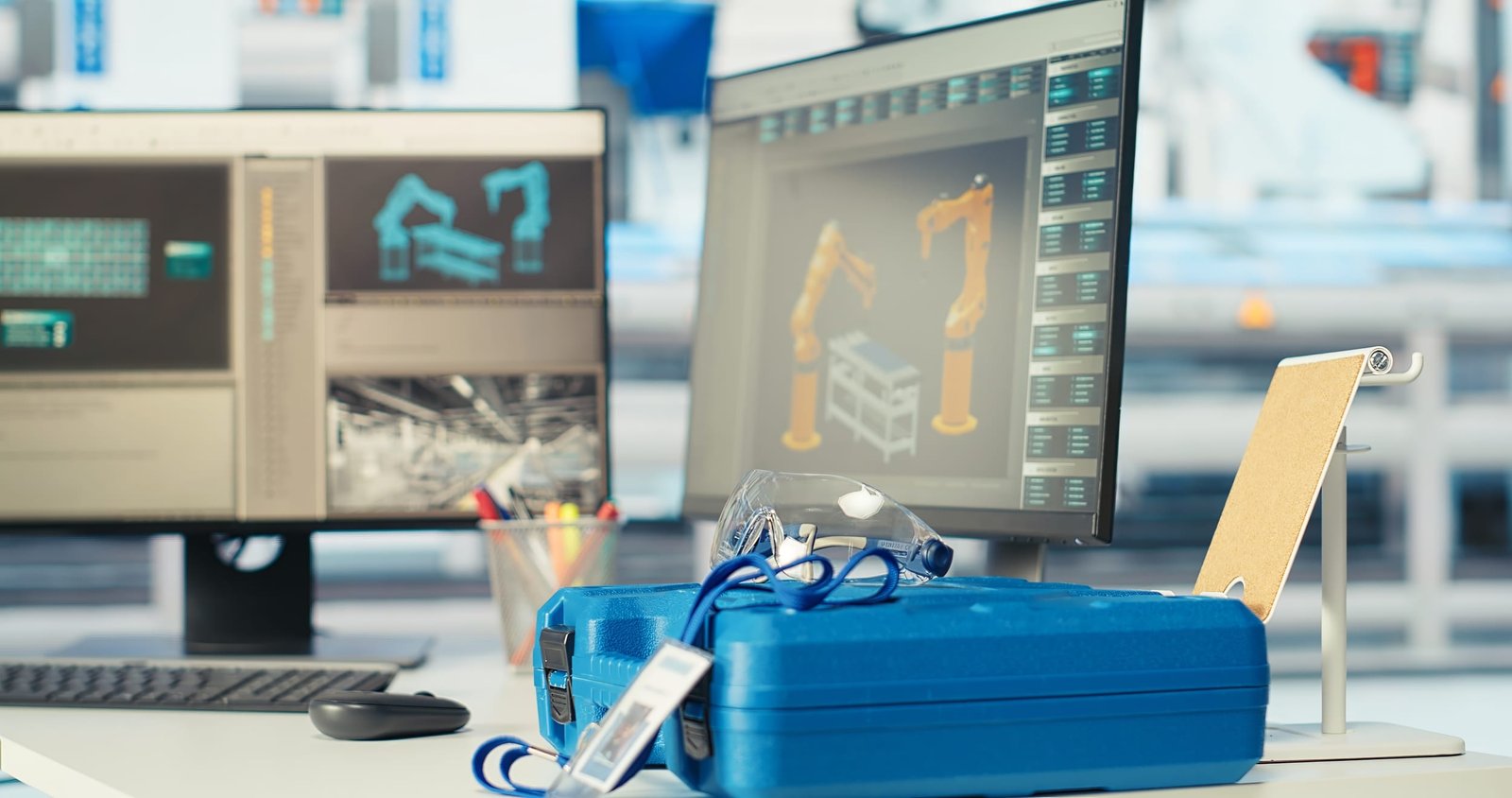
Creating new products or systems is one response to a request for assistance. Creating an innovative drilling project requires brainstorming, sketching your drill idea, and coming up with methods of accomplishing that idea. A designer must develop a detailed (CAD) version of their design after finalizing their design concept and developing its specifications that include its size, weight, material, etc. In addition, CAD can provide some modeling and/or simulation of product behavioral characteristics after it’s been created. At Design HOK, we have professional mechanical design engineers for your projects.
Model Building & Testing: A prototype is generally made when the design phase is done in order to check if the design works. It is the mechanical designer’s responsibility to check and survey the prototype through testing and evaluate the results, making sure it meets the specifications.
Teamwork: Mechanical designers interact with other types of engineers, project managers, and organizations involved in manufacturing/delivery to ensure that they are coordinating their designs with all of the other projects involved and that they are meeting the overall goal.
Reporting & Documentation: All of the engineers will document everything they did in the design process. This includes any calculations or design modifications, as well as capturing test results. All documentation is essential for future use, but especially so to demonstrate that the design conforms to all laws and regulations, as well as all safety requirements. Mechanical design engineers are responsible for managing the design process through either the production phase or as part of the mechanical engineer’s job responsibilities. Regardless of the method of design management, it is essential to keep in mind the project deadlines and estimated costs (that include the effects of non-compliance with applicable laws and regulations) and have adequate resources available to complete the project on time and within budget constraints.
Mechanical Design Engineers
Essential Attributes and Qualifications
A winning mechanical design engineer will possess numerous competencies and attributes. Understanding how engineering works (mechanical engineering) through either your university studies (at the undergraduate level) OR your postgraduate education (i.e., a master’s in mechanical engineering) is critical, along with being proficient in either AutoCAD or SolidWorks and/or CATIA (computer-aided design (CAD) programs). Being able to analyze drawings with CAD programs is also very important, as it will enhance your ability to make accurate design selections based on the properties of the various types of materials, thermodynamics, and fluid flow in the context of manufacturing. Problem-solving capacity is an important skill for mechanical designers to use throughout the design process by allowing them to foresee possible problems.
Engineers need to be detail-oriented so that they can avoid producing large problems from very small mistakes made during the design phase. In addition to good problem-solving abilities, creativity is very helpful to engineers. This article is to better assist you in your understanding of mechanical design engineers.

Why Mechanical Engineering Design Is Important. Designers continue to evolve many industries because of the critical role their work plays in creating new products that function well and efficiently, are safe to use, and can be relied upon when in use.
Mechanical engineers design products in four primary categories, including automotive, aerospace, robotics, and manufacturing. Each of these industries relies heavily on mechanical engineers to develop new technologies, as well as improve the performance of older technologies, which gives companies a competitive edge in the marketplace through the production of innovative products to meet the needs of consumers.
In addition, with the increased emphasis on sustainable development in today’s world, mechanical engineers have to find ways to develop products that consume less energy, generate less waste, and use renewable materials where possible. This puts an even greater priority on their job of addressing global issues like climate change. Mechanical design engineers are essential for both the design and the development of machines and system technologies that enhance various aspects of our everyday lives. By using creativity, technical expertise, and teamwork, mechanical design engineers are able to take their ideas from conceptual drawings to physical products. The mechanical design engineering profession offers more opportunities than ever before. As new industries are created and established industries continue to create new products, qualified mechanical engineering designers will be in high demand, making it a great career option for anyone who wants to work in the fields of engineering and design.
Mechanical designers bring imagination to reality! The world of engineering is always changing with new challenges, which means that there will be continued increases in the need for skilled mechanical engineers in design; this provides a terrific starting point for anyone who likes engineering and design.
FAQ: Mechanical Design Engineers
1. What does mechanical design engineering encompass?
A mechanical design engineer designs and develops mechanical systems and components, ensuring they function effectively, dependably, and harmlessly.
2. In which industries do mechanical design engineers work?
Mechanical Design Engineers are typically employed in Automotive, Aerospace, Manufacturing, Energy, and Consumer Products industries.
3. What software does a mechanical design engineer use to do their designs?
Mechanical design engineers use many CAD packages, including but not limited to: AutoCAD, SolidWorks, and Revit as the primary design platforms used by mechanical designers.
4. Mechanical Design Engineers Need Skills Like?
Problem Solving, Analytical Thinking (Strong), Familiarity with Design Software, and Knowledge of Mechanics and Material Science.
5. Mechanical design engineers conduct
Simulations, stress analysis, and prototypes to evaluate and improve their designs before the production stage.