

Solidworks 3D Modelling
SolidWorks 3D modelling is an engineering solution that helps engineers create highly accurate and precise digital designs of products, industrial machines, and various mechanical systems. This involves sophisticated CAD technologies to generate fully functioning digital models that help analyze the design process, plan the product manufacturing, and provide the technical appraisal of a product or machine. Modern industries use SolidWorks 3D modelling to enhance the precision of engineering and to minimize the engineering risk factors and the overall product development time. The digital models generated help the company have a reliable baseline for the innovation, appraisal, and production of products.
Mechanical Component Modeling
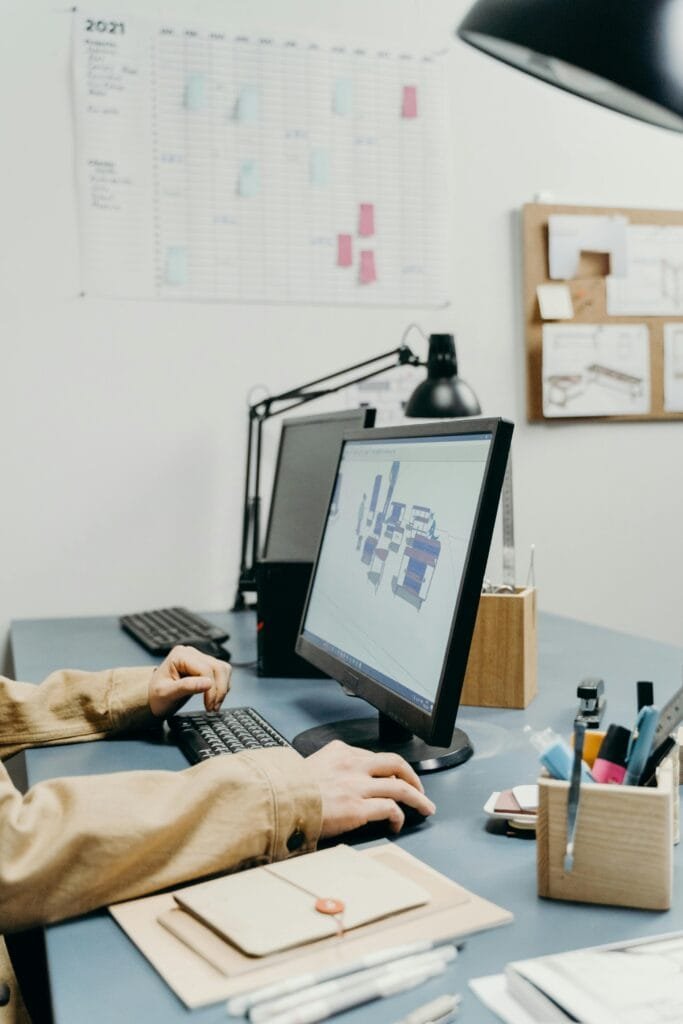
The most common usage of SolidWorks involves the mechanical component modeling application. This process is carried out by the engineering team that builds up digital representations of machine parts, industrial equipment, mechanical components, brackets, machine housing, shafts, and other components used in the machinery construction process. These accurately formed component models allow for appropriate functionalism, as well as manufacturing compatibility.
Surface Modeling for Complex Product Geometry
Several product designs require intricate, fluid, or aesthetically pleasing shapes that can only be efficiently designed using advanced surface modeling techniques. With the surface modeling toolset from SolidWorks, engineers can create complex design elements. Consumer products like household appliances, industrial machinery such as CNC machining centers, and other products where both functionalism and design are paramount often use surface modeling during design.
Sheet Metal Design and Fabrication Modeling
The SolidWorks package also has the sheet metal design toolset that allows the engineering team to build complete fabrication models. This can involve designing and building models for industrial panels, cabinets, enclosures, brackets, and other industrial machine structural elements. It is important to mention that the sheet metal modeling toolset aids in creating a flat pattern that can be used during fabrication; also, it is crucial to correctly estimate bending processes in sheet metal models so the part does not deform or break when folded.
Assembly Development and Component Integration
Many engineering products consist of numerous interconnected components that must work together effectively. The process of making an assembly model using SolidWorks helps engineers assemble products using individual parts and also helps validate the assembly fit and functioning. This helps in identifying problems at an early stage and improving product reliability.
Reverse Engineering and CAD Modeling
There is much emphasis on reverse engineering in many companies dealing with older products that lack complete documentation. SolidWorks 3D modelling enables the reverse engineering process through the conversion of real-world objects or scanned objects into precise CAD models. Such modeled objects help companies improve their product designs and documentation without having to reinvent the wheel from scratch.
Optimization of Designs through Digital Modeling
Through the use of SolidWorks, designers can optimize designs to enhance the performance of their product designs. This process makes a positive contribution to the success of the engineering process and results in the manufacture of efficient products.
Creation of Manufacturing-Ready CAD Models
Efficient manufacturing is achieved when designs that are ready for manufacturing are used. The CAD models that are generated by SolidWorks software enable manufacturers to carry out tasks such as CNC machining, fabrication, and assembling. These models contribute to efficient manufacturing through better communication between engineering and production departments.
Customization of Products and Design Changes
There are several instances when there is a need for customized products to satisfy the business requirements. The SolidWorks software can help modify designs easily while being accurate in measurements. It allows product customization projects to be carried out conveniently by organizations.
Documentation and Technical Outputs
Proper documentation is important in any engineering project. Using SolidWorks software, it becomes easier to create all the necessary outputs that include production drawings, assembly directions, and a bill of materials, among others. Design HOK provides solidworks 3d modelling for your business.
Role of SolidWorks 3D Modelling in Product Development
SolidWorks 3D modelling serves as a critical foundation for product development workflows. Engineering models allow engineers to assess ideas, enhance designs, verify engineering requirements, and facilitate product manufacturing. SolidWorks plays a major role in ensuring that there is effective collaboration and proper decision-making.
Advantages of Professional SolidWorks 3D Modelling
There are several advantages of professional SolidWorks 3D modelling, such as improved accuracy in designing, good engineering communication, reduced risks, fast project completion, and the ability to manufacture. Such advantages help firms create excellent products while also being able to develop them efficiently.
Future of SolidWorks 3D Modelling
Innovations, like engineering solutions, collaboration tools based on cloud computing, simulation solutions, and automated systems, continue shaping the future of SolidWorks 3D modelling. Thanks to these technologies, it is possible to increase the efficiency of engineers and produce optimized products. With the development of modern digital engineering solutions, SolidWorks will become one of the leading software solutions.
Conclusion
Professional SolidWorks 3D modelling is an important part of engineering that helps engineers develop products, design components, manufacture parts, and perform other tasks. Modern engineering tasks can be conducted effectively by the utilization of professional CAD solutions. The various tasks can include the design of mechanical components, their subsequent manufacturing and customization, and many other works related to modern engineering, included in SolidWorks.
FAQs
1. What is SolidWorks 3D modelling?
SolidWorks 3D modelling can be regarded as the creation of detailed 3D CAD models that serve the purpose of product design, engineering analysis, manufacturing process preparation, and the technical documentation of a product.
2. Why is SolidWorks 3D modelling significant in the product development process?
It enables engineers to visualize and evaluate, as well as optimize, the product design before its manufacturing, hence eradicating any sort of errors and increasing development.
3. In which sector is the SolidWorks 3D modelling service prevalent?
The manufacturing, automobile, aviation, industrial machinery, robotics, consumer goods, and medical equipment sectors widely employ the SolidWorks modeling service.
4. What is mechanical component modeling in SolidWorks?
“Mechanical Component Modeling” can be used to describe the development of highly detailed computer models of mechanical components of the machine and engineering assembly/system.
5. In what way is SolidWorks involved in sheet metal design?
Sheet metal modeling software allows engineers to create models that can be produced and calculate bending data.
6. What is reverse engineering using SolidWorks?
Reverse engineering is all about transforming information about the physical object into digital form for further redesigning and calculating.
7. Can the SolidWorks 3D models be used for manufacturing purposes?
Yes, the SolidWorks 3D model can be used for machining operations (like CNC), fabrication, layout design, assembly design, tool production, and so on.