
Introduction
The creation of customized 3D modeling involves the generation of unique computer models that satisfy the project requirements. Custom 3D models differ from regular templates in that they are made to fit the exact measurements, purposes, tastes, and manufacturing demands of a particular project. Companies from various sectors, such as engineering, manufacturing, the development of industrial equipment, and product design, use customized 3D modeling to create their unique solutions that cannot be achieved by other computerized models.
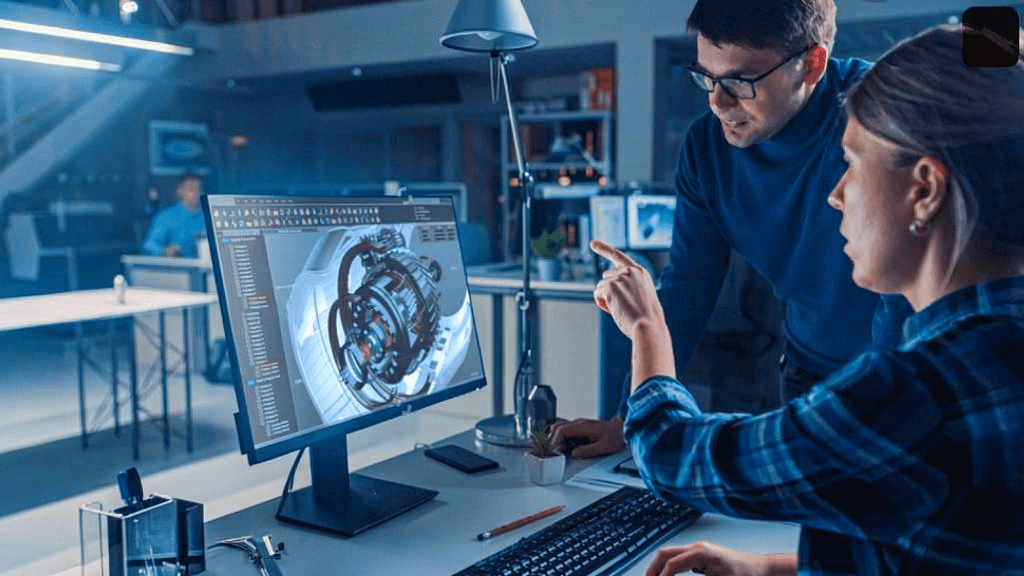
Custom 3D Modeling
In a custom 3D modeling process, 3D models are created according to the specific needs of each customer instead of using an already designed library of models. The process entails designing and creating the geometry, assembly, and structure that will match what the designer envisions at the end. As each project has its own requirements, customization is important in such scenarios. Design HOK provides custom 3d modeling for your products.
Why Custom 3D Modeling Is the Right Choice
Many organizations require products, components, and systems that cannot be developed using standard designs. The customized nature of 3D modeling gives businesses the ability to produce customized solutions that are suited to their technical and production requirements. The tailored method allows businesses to come up with new products while at the same time making sure that every aspect of the design fulfills some function.
Design Requirement Conversion
Among the crucial steps that one can take when undertaking customized 3D modeling is translating the client’s thoughts into digital models. This involves engineers and designers understanding all the specifications associated with the project in terms of its dimensions, functionality, and so on before creating the model.
Custom Product Modeling
Custom 3D modeling plays a significant role in modern product design by helping businesses develop products that address specific market needs. Precise engineering designs can incorporate such attributes as product geometry, customization, and specialized assembly. Design customization is essential in design evaluation, quality improvement, and preparation for manufacturing processes.
CAD Technologies
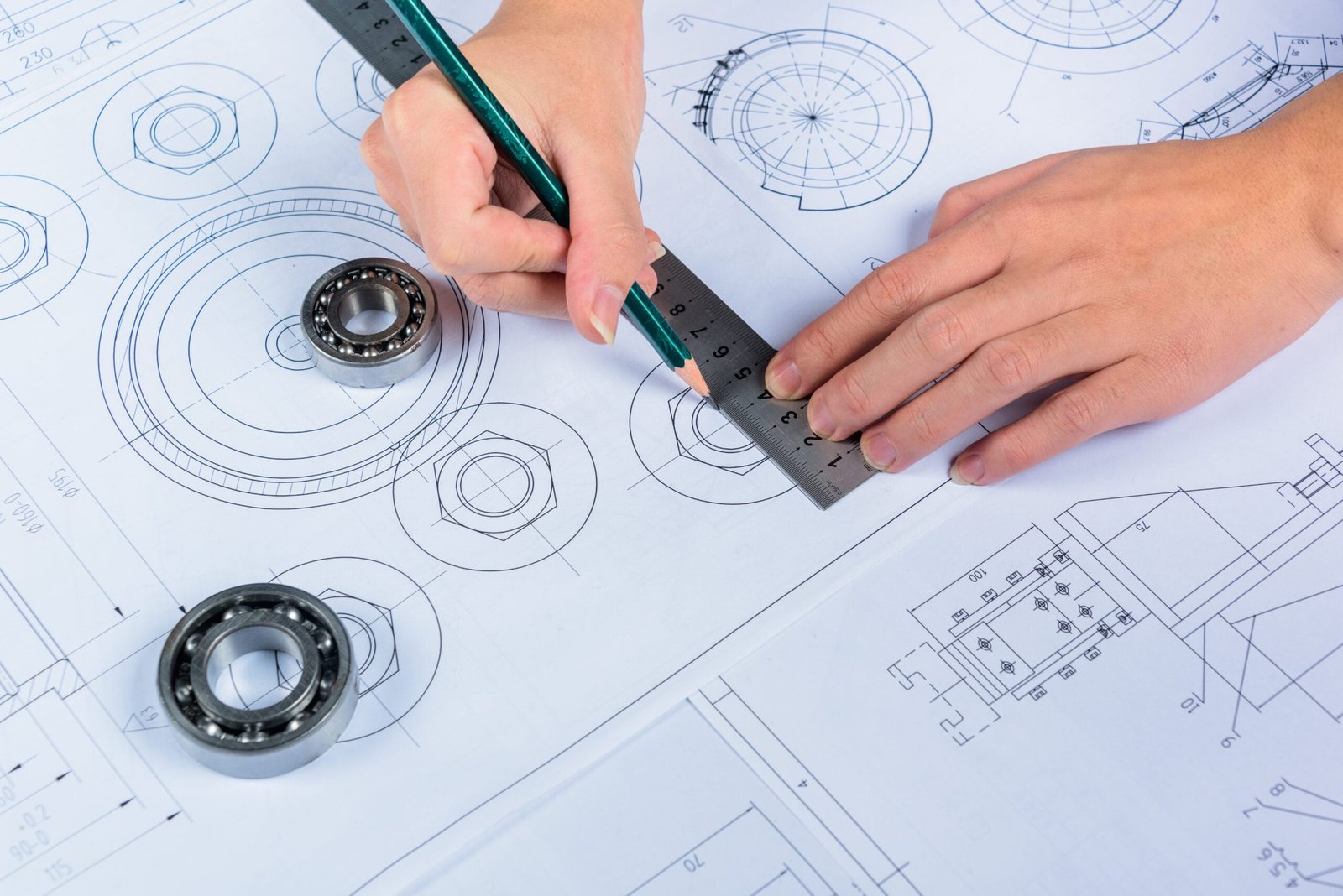
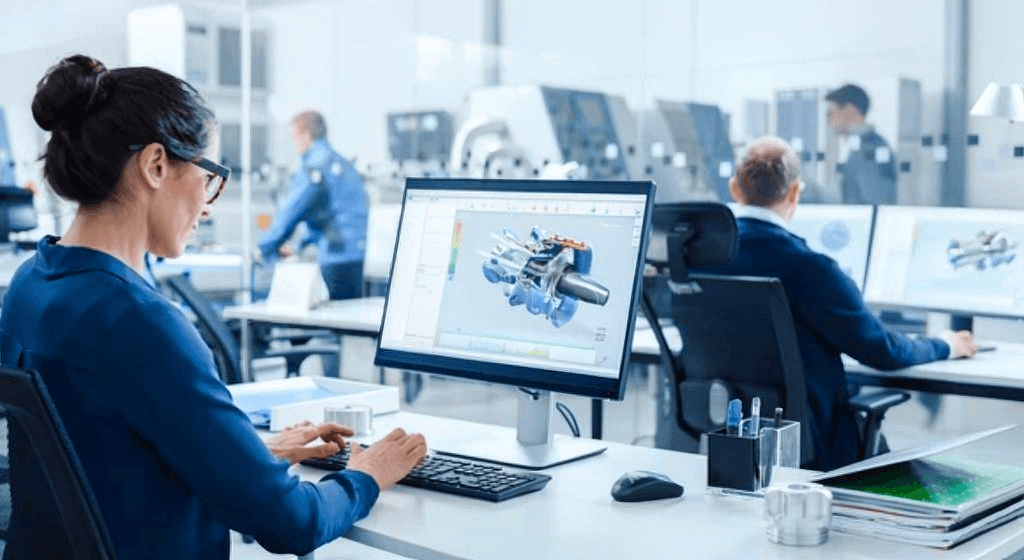
There is an increased usage of advanced CAD technologies in designing 3D models with high precision and control. This technology helps designers in developing digital designs without any complications in terms of dimensions and assemblies. CAD also enhances consistency and simplifies collaboration processes.
Reverse Engineering Models
A custom 3D model used in reverse engineering, especially when old physical pieces are to be built using 3D technology. Engineers create 3D models of original parts that can then be enhanced, redesigned, or even manufactured. Legacy devices, replacement parts, or products under design will benefit greatly from custom 3D models in such circumstances.
Visualization of Products
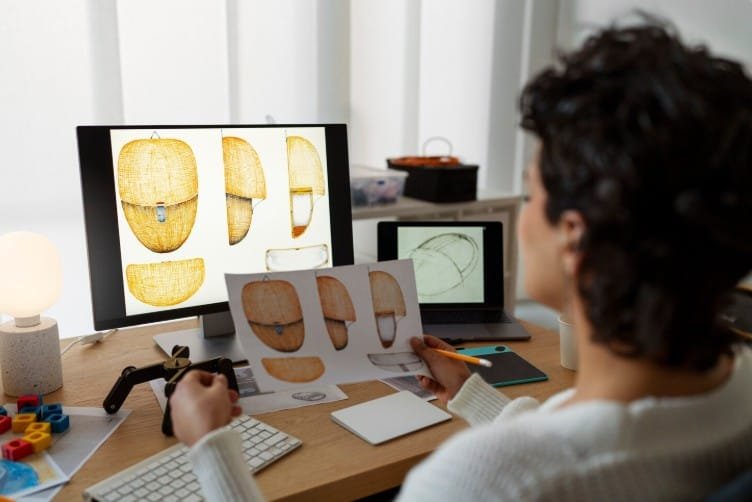
Companies use custom 3D models to see how their products will look before being manufactured. The realistic models make it easy for them to consider any changes that should be made or the general appearance of the final product. Better visualization makes decision-making much easier.
Production & Prototyping
Custom models made accurately can act as useful tools for manufacturing preparation and prototyping. These can be applied in CNC machining, manufacturing processes, documentation, and additive manufacturing. These models enable companies to assess the designs they have developed, avoid any risks, and ensure that their preparations are ready before production commences.
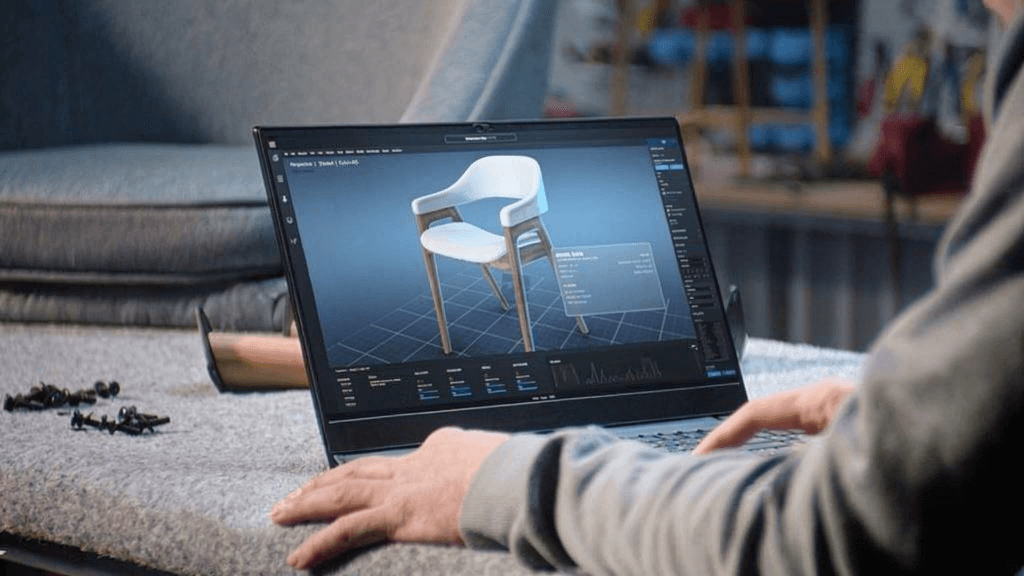
Advantages
Professional custom 3D modeling presents several benefits, such as flexible design, more accurate products, efficient execution of the project, and compliance with customer needs. Custom 3D modeling also allows businesses to come up with innovative designs that are not possible using other modeling techniques.
Applications
Specialized engineering projects often entail customized components with particular specifications that must be adhered to. With custom 3D modeling, engineers can create customized solutions to specific uses with the added benefit of accuracy in designing. This advantage would be beneficial to industries dealing with customized goods, equipment, and machines.
Future
The future of customized 3D modeling will be determined by several factors, such as AI-powered design tools, collaboration with cloud computing, simulation technologies, and automation technologies. These factors will play an important role in aiding firms in creating customized digital solutions. With rising demand for product customization and complexity of engineering, custom 3D modeling will continue to be a key component of modern product engineering and manufacturing.
Conclusion
With custom 3D modeling, companies can be able to develop customized digital solutions that fit their respective engineering or manufacturing needs. Custom models for custom projects aid companies in designing, engineering, and manufacturing their products effectively. The digital engineering and product development space is now dominated by custom 3D modeling, from custom product designs and reverse engineering to prototyping and manufacturing planning.
FAQs
1. What Is Custom 3D Modeling?
Custom 3D modeling refers to the creation of 3D models that are created based on the special specifications and functions of the client. It means that custom 3D models are always created specifically based on the specifications.
2. What makes custom 3D modeling different?
Custom 3D modeling differs from conventional modeling in the sense that conventional models employ predefined templates or models, while custom models are made from scratch according to the requirements.
3. What industries employ the use of custom 3D modeling?
The industries utilizing custom 3D modeling include but are not limited to manufacturing, product design, industrial design, the auto industry, medical equipment and machines, etc.
4. What software do we use to create custom 3D models?
Some industry-standard software for the creation of custom 3D models includes SolidWorks, Fusion 360, CATIA, Creo, Inventor, and AutoCAD. We use SolidWorks!
5. Why use custom 3D modeling in product development?
Custom designs allow an organization to evaluate its designs prior to engaging in production processes.
6. Are custom 3D models used in prototype production?
Yes, custom 3D models are useful in 3D printing of objects and even CNC machining of parts.
7. How do custom 3D models facilitate visualization?
Custom 3D models enable visualization of a realistic representation of the product design, facilitating clarity of features and aesthetics.