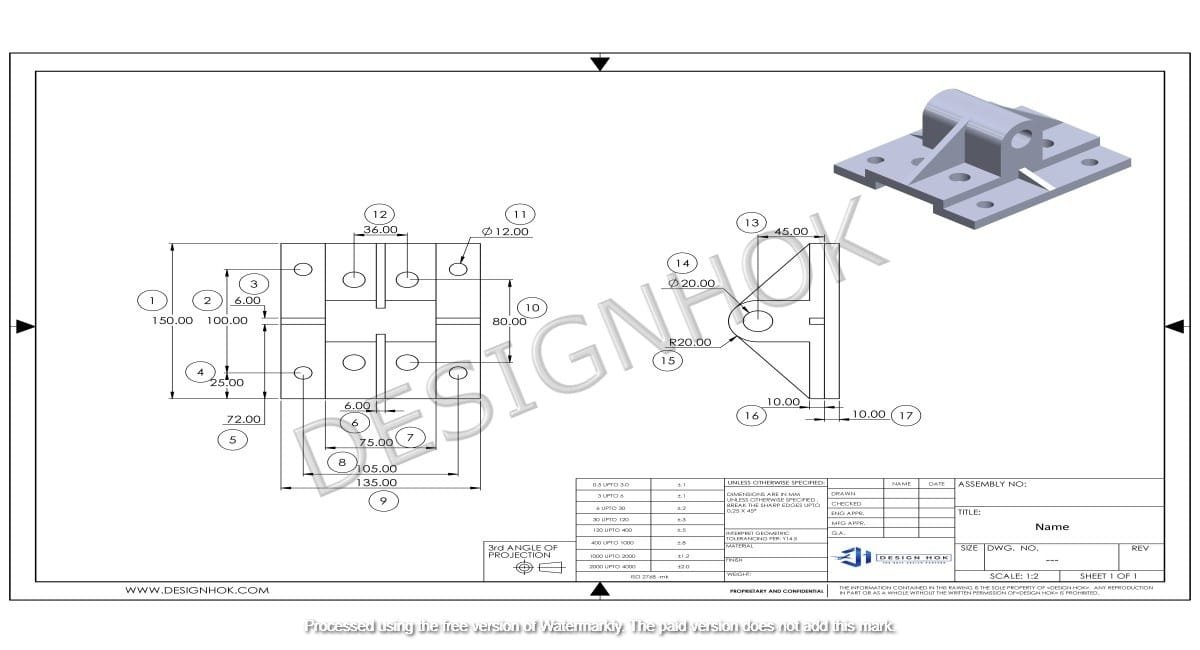

In today’s fast-paced digital world, 3D rendering has revolutionized the way we visualize products before they are physically made. It is a powerful tool used by designers, engineers, and marketers to create digital models of products that look as real as photographs, all through advanced computer graphics.
But what exactly is 3D rendering for products?
Simply put, What is 3D Rendering for Product Design is the process of creating a 2D image from a 3D model. These models can be of anything, from a simple household item to complex machinery, and the rendering process transforms them into a lifelike visual that can be manipulated, adjusted, or enhanced before any real-world production begins.
Why is 3D Rendering Important for Product Visualization?
The significance of 3D rendering cannot be understated. It allows designers and manufacturers to visualize their ideas and bring them to life without needing to produce costly prototypes. Some of the primary reasons 3D rendering is so crucial for product visualization include:
- Lifelike Images: 3D renderings enable designers to create highly detailed, realistic images that show how a product will look in the real world.
- Client Presentations: For companies, it’s a chance to present a product’s design before it’s even produced, which can help in securing clients and investors.
- Cost and Time Savings: With What is 3D Rendering for Product Design, it’s possible to iterate and refine designs digitally, saving both time and money that would otherwise be spent on physical models or prototypes.
Types of 3D Rendering Products
Different products require different rendering techniques. Depending on the desired outcome, there are several styles of 3D rendering:
Photorealistic Rendering
This style aims to replicate real-world visuals as closely as possible. Photorealistic renderings are ideal for showcasing products that require precise and accurate representations, such as consumer goods or architecture.
Stylized Rendering
Some products, especially in the entertainment industry or advertising, benefit from a more artistic, less realistic approach. Stylized renderings focus on highlighting creative elements or a particular aesthetic.
3D Animation Rendering
Incorporating movement into the design, 3D animation rendering brings products to life. This type of rendering is essential for illustrating how a product works in real life, such as in engineering, medical devices, or even video games.
Industries That Benefit from 3D Rendering
3D rendering has found applications in various industries:
- Architecture and Real Estate: Architects and developers use What is 3D Rendering for Product Design to present building designs and layouts to clients, offering a more immersive experience than static blueprints.
- Product Design and Manufacturing: Designers can see their products in action before manufacturing, helping to fine-tune designs and avoid costly mistakes.
- E-commerce and Marketing: Online retailers can showcase products through 3D renderings, allowing customers to view items from different angles and customize options.
- Entertainment and Video Games: 3D rendering is central to creating the characters, environments, and animations we see in video games and animated films.
How 3D Rendering Improves Product Design and Development
By using What is 3D Rendering for Product Design, product development becomes more efficient. Key improvements include:
- Enhanced Decision-Making: Designers and stakeholders can explore various design options and make informed decisions before committing to production.
- Prototyping and Virtual Testing: Virtual prototypes allow for thorough testing without building physical models, saving both time and money.
- Collaborative Feedback: Teams can review 3D models in real-time, providing quick feedback and making adjustments as needed.
Technologies Behind 3D Rendering
3D rendering isn’t just about fancy software – it involves a combination of various technologies that make it possible. Some key components include:
- 3D Modeling Software: Programs like Blender and Autodesk Maya help create detailed 3D models from scratch.
- Rendering Engines: Software like V-Ray, Corona, and Arnold convert those models into high-quality images.
- Hardware: Powerful graphics processing units (GPUs) play a significant role in speeding up the rendering process.
3D Rendering for Product Marketing and Sales
3D renderings are a powerful tool in the marketing world. Not only do they create stunning visuals, but they also aid in sales strategies. Here’s how:
- Visual Content for E-commerce: Online stores use 3D models to offer customers a more interactive shopping experience, increasing engagement and conversion rates.
- VR and AR Integration: With the rise of virtual reality (VR) and augmented reality (AR), 3D renderings can be used to create immersive experiences that allow customers to visualize products in their own environments.
Benefits of Using 3D Rendering for Products
The benefits of 3D rendering extend far beyond just making things look good. These include:
- Realistic Representation: 3D renderings provide accurate, detailed visuals that make it easier for clients to imagine how a product will look in real life.
- Quick Iterations: Designers can easily modify their models and render new versions within hours or days, not weeks or months.
- Cost-Effective: By reducing the need for physical prototypes, companies can save significantly on manufacturing and design costs.
Challenges in What is 3D Rendering for Product Design
However, it’s not all smooth sailing. There are challenges involved in 3D rendering, such as:
- Time-Consuming: High-quality renders can take hours or even days to complete.
- Software and Hardware Demands: Advanced rendering requires specialized software and powerful hardware, which can be expensive.
- Achieving Photorealism: While photorealistic renderings are often the goal, they can be difficult to achieve, especially with complex designs.
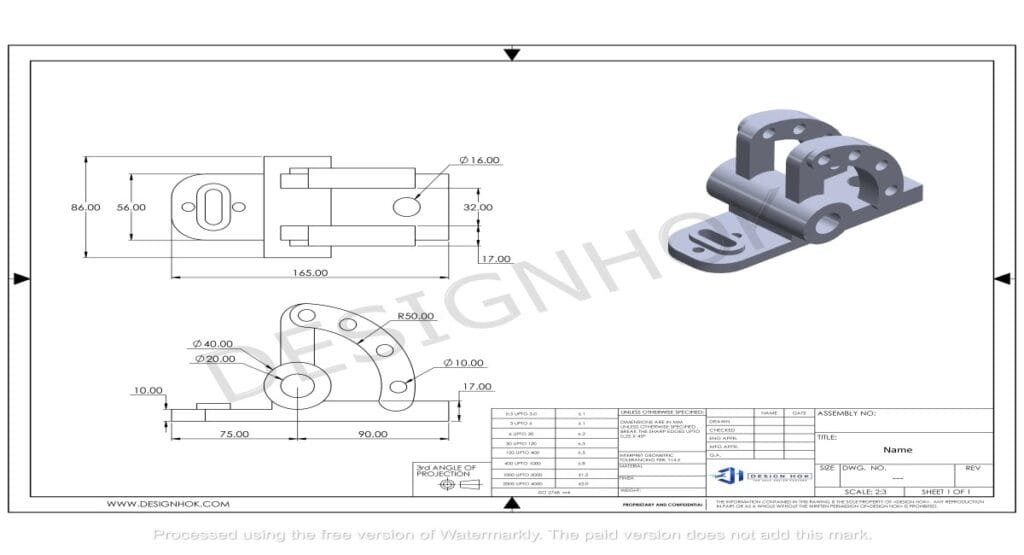
What is 3D Rendering for Product Design vs. Traditional Photography for Product Images
When comparing 3D rendering with traditional photography, several advantages of digital rendering stand out:
- Time and Cost Efficiency: 3D renderings eliminate the need for expensive photoshoots, especially for products that don’t yet exist.
- Flexibility: Unlike traditional photography, where you’re limited to the physical product, 3D renderings can show any angle or customization of a product.
- Consistency: It’s easier to maintain consistency in 3D renderings, especially for mass-produced products.
The Future of What is 3D Rendering for Product Design Visualization
Looking ahead, 3D rendering is bound to become even more sophisticated. Innovations like real-time rendering, AI-driven design, and interactive 3D models are pushing the boundaries of what’s possible.
How to Choose the Right 3D Rendering Service
When selecting a rendering company, consider these key factors:
- Portfolio and Experience: Review past work to gauge quality and expertise.
- Pricing Structure: Understand how the service charges and ensure it fits your budget.
- Communication: Effective collaboration with the rendering team is essential for success.
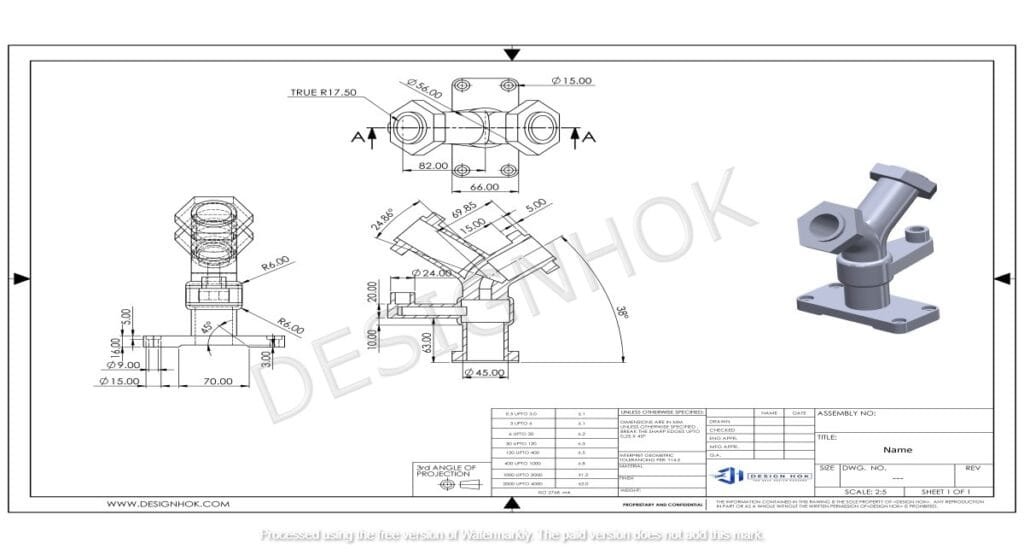
Case Studies of Successful 3D Rendering Products
Real-world examples demonstrate the value of 3D rendering in product development and marketing. Some standout examples include architectural firms using renderings to sell properties, and e-commerce businesses offering virtual try-ons.
Tips for Maximizing the Potential of 3D Rendering in Product Development
Here are some strategies to make the most out of 3D rendering:
- Collaborate: Work closely with 3D renderers to bring your design vision to life.
- Use it in Presentations: Incorporate 3D renderings in pitches and presentations to impress clients and stakeholders.
- Stay Updated: Keep up with new rendering techniques and software for the best results.
Conclusion
In conclusion, 3D rendering products have become a vital part of modern design and marketing. Their ability to create stunning, realistic visuals helps businesses save time, reduce costs, and improve communication with clients. As technology continues to evolve, the future of 3D rendering looks even brighter, with more industries adopting this tool for product development and visualization.
FAQs
1. How long does it take to create a 3D rendering?
It depends on the complexity of the product and the desired level of detail, but typically, it can take from a few hours to several days.
2. Can 3D renderings be used for prototypes?
Yes, 3D renderings are a great tool for virtual prototyping, allowing designers to test and refine products before creating physical models.
3. What industries use 3D rendering?
3D rendering is used in a variety of industries, including architecture, product design, real estate, entertainment, and e-commerce.
4. What is the cost of 3D rendering?
The cost varies depending on the complexity of the project, the level of detail required, and the service provider.
5. Can 3D rendering help with product marketing?
Absolutely! 3D renderings can be used to create stunning visuals for advertising, product launches, and e-commerce, helping to boost sales.