


Polygon modeling is one of the most widely used techniques in 3D computer graphics and digital design. It is a way to create objects in three dimensions. They are flat geometries that are obtained by gluing several points in space. These forms are combined to produce detailed, complex 3D models that are used across industries. Polygon modeling is a fundamental process in today’s digital production, as it allows designers to create simple or detailed models with full control over their structure and appearance. It is the basis of most of the 3D modeling workflows used today.

Understanding Polygon Modeling
The basis for polygon modeling is three basic elements: vertices, edges, and polygons.
A point in 3D space is a vertex, a line segment connecting two vertices is an edge, and a flat surface bounded by edges is a face. These faces put together make a complete 3D object. The process starts with a basic shape such as a cube, sphere, or cylinder. The designers then work on this shape step by step, changing and refining it to make more complex models. This procedure is highly versatile and thus suitable for both simple designs and highly detailed visual elements. At Design HOK, we provide polygon modeling services for perfect modeling.
Importance of Polygon Modeling in Modern Industries
Polygon modeling is extremely important in the modern design world because it provides a balance between visual quality and performance. It’s used to create characters, environments, and objects that play well in real time. It helps to develop expressive characters and extensively detailed scenes in animation. It allows engineers and designers to digitally test and illustrate ideas before a product design is produced. Polygon modeling is a very versatile technique and has become a standard in most 3D design pipelines.
Techniques Used in Polygon Modeling
Polygon modeling uses different methods to create accurate and detailed 3D objects. Box modeling is one of the most common ways. It begins with a simple shape and gradually turns it into a complex model. Edge modeling deals with the control of the flow of edges to more accurately define structure and shape. Extrusion is used to extend surfaces, giving the model depth. Subdivision modeling adds more polygons for smoother and more detailed surfaces. Boolean operations enable designers to combine, subtract, and join shapes to create complex geometries.
The techniques selected depend on the project requirements and the level of detail required.
Applications of Polygon Modeling
Product Visualization Design
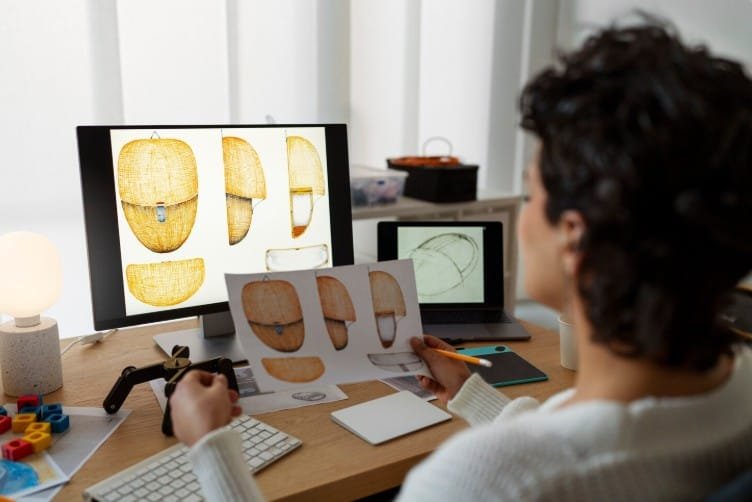
In order to get quality results, 3D visualizations of products are often done with polygon modeling before the actual production of the product. It allows designers to make realistic digital models of electronics, tools, packaging, and consumer products. The models are used for marketing, presentation, and client sign-off. It lets companies see the finished product without making it.
Industrial Concept Modeling
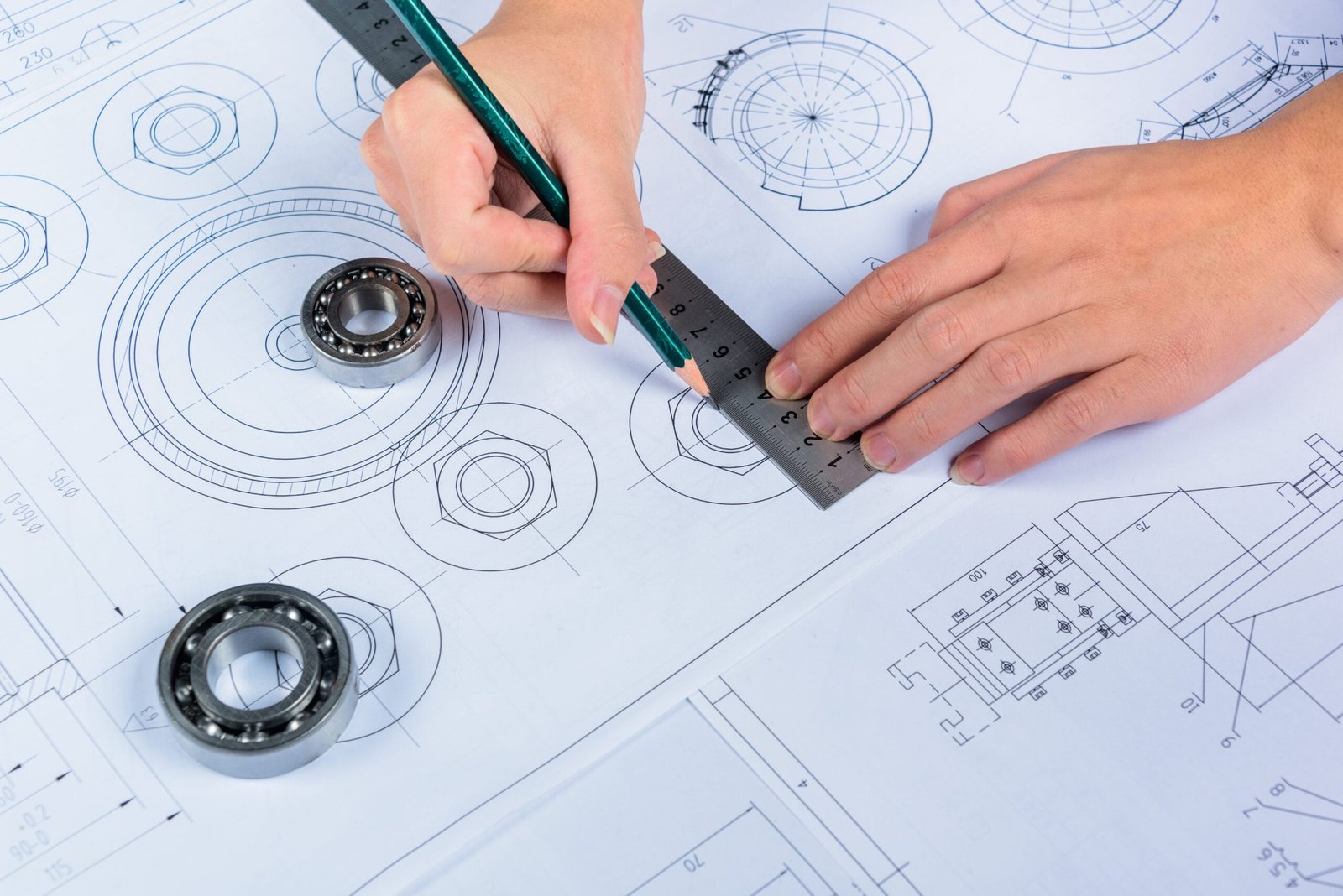
In industrial design, polygon modeling is used to develop early-stage concepts of machines, components, and mechanical parts. To test shape, structure, and usability, designers can quickly build and refine ideas in 3D form. This process helps in improving design accuracy and reduces the chances of errors during actual production. It also speeds up the decision-making process.
Advertising and Brand Visualization
The modeling of polygons is a critical factor in the generation of visual content for advertising and branding. It’s used by designers for 3D product images, promotional images, and creative marketing assets. These models help the brands to show their products more attractively and professionally. It assists in enhancing visual communication and increasing customer engagement.
3D Presentation and Client Proposals
It is also used to make detailed 3D presentations for the clients and stakeholders. Designers are presenting their products not only as flat pictures or sketches but also in fully modeled 3D models. This makes it easier for clients to request changes and to understand design concepts. It helps keep your communication professional.
Advantages of Polygon Modeling
Polygon modeling is very popular with 3D designers because of its many advantages. It allows you to fine-tune things at each step and gives you total control over the form and structure. It is also very popular because it works with all the major 3D software. It is also efficient to render, especially for real-time applications such as games and simulations. Polygon models are also relatively easy to animate and optimize, so they can be used in dynamic digital environments.

These benefits made polygon modeling popular with both amateur and professional designers.
Challenges in Polygon Modeling
An adequate understanding of geometry and spatial structure is required for detailed models. Another challenge is to find the right balance between detail and optimization, particularly when working with real-time applications. The designer has to plan and organize the work process in order to obtain efficient and quality results.
Future of Polygon Modeling
The future of polygon modeling is highly dependent on technological advancement. The way we create and use 3D models is changing because of artificial intelligence, real-time rendering engines, and virtual reality. Modeling in modern times is faster, more automated, and more exact because of tools. With technological advances, polygon modeling will be more efficient and integrated in advanced digital workflows. This evolution will allow designers to produce more realistic, interactive, and complex 3D environments with less manual effort.
FAQs
1. What is polygon modeling in 3D design?
Polygon modeling is a technique used to create 3D objects using connected polygons, such as triangles and quadrilaterals. These polygons form vertices, edges, and faces that together build a complete digital model used in visualization and design projects.
2. Why is polygon modeling widely used in product design?
It is widely used because it allows designers to create accurate and editable 3D models of products before manufacturing. This helps in improving design quality, reducing errors, and saving production costs by testing ideas digitally.
3. What skills are required for polygon modeling?
A designer needs a strong understanding of 3D geometry, creativity, and a good command of 3D software tools. Attention to detail and spatial thinking are also important to create clean and professional models.
4. Which industries use polygon modeling the most?
It is mainly used in product design, industrial visualization, advertising, branding, and digital presentations. These industries rely on it for creating realistic and professional 3D visual content.
5. What software is commonly used for polygon modeling?
Popular software includes Blender, Autodesk Maya, 3ds Max, and Cinema 4D. These tools provide advanced features for creating, editing, and refining polygon-based 3D models.
6. What is the difference between low-poly and high-poly modeling?
Low-poly modeling uses fewer polygons and is optimized for performance, while high-poly modeling contains more detail and is used for high-quality rendering and realistic visualization.




Thanks for expressing your ideas in this article. The other factor is that every time a problem appears with a computer system motherboard, individuals should not take the risk with repairing that themselves for if it is not done right it can lead to permanent damage to the complete laptop. It’s usually safe just to approach any dealer of your laptop with the repair of the motherboard. They’ve got technicians that have an competence in dealing with notebook computer motherboard troubles and can make right diagnosis and conduct repairs.
I appreciate you sharing your opinions. You raise an excellent point regarding motherboard repairs, and I concur that the safest course of action is typically to have them done by trained professionals. Thank you for contributing this insightful viewpoint to the conversation.