

Structure engineers do? In this modern world, most people think structural engineering is all about designing, but it’s not like this. We may call structural engineers guardians of safety. They work on safety and stability. If you ever see a skyscraper, what do you think? How about every home with earthquake resistance or a sustainable power supply that saves energy and reduces pollution? All of this stuff is because of structural engineers.
In 2025, modern civilisation stands because of structural engineering. It makes sure that modification or any progress is still safe, and it does not compromise safety.
What Is the Basic Work of a Structural Engineer?
A structural engineer deals with physical forces such as gravity, strong winds, earthquakes, and disasters. These engineers analyse all these activities in detail, then design the structure to withstand these types of physical forces. Structural engineers calculate wind speed and examine the ground structure. After this, they select materials such as steel, concrete, or timber and ensure that everything complies with international standards.
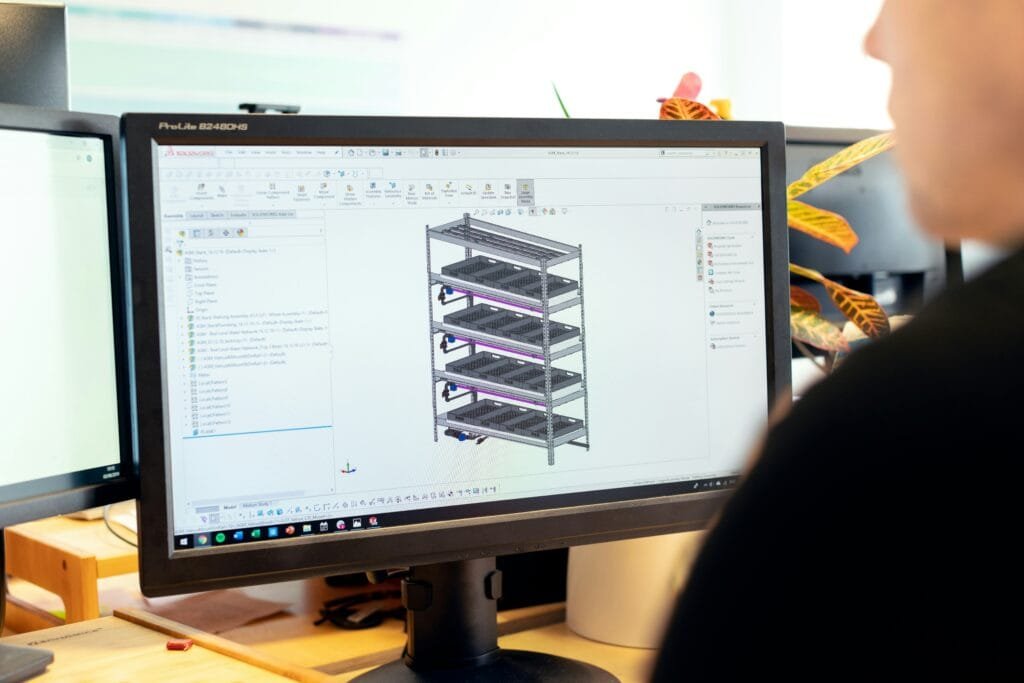
In this digital world, structural engineers use software to save costs, like SolidWorks, AutoCAD, and Fusion 360. They use these programmes to analyse the forces and anticipate any potential failures.
Site Analysis
Engineers examine the ground and soil to understand the conditions. This examination helps them to understand the strength of the soil and the depth of water.
These investigations answer questions like this:
- Does the soil support the planned structure?
- Is this site resistant to flooding or earthquakes?
- What would be the best material to ensure the safety of a building?
Structural engineers ensure that the earth itself is ready to carry the vision above it.
Choosing the Right Load-Carrying System
Engineering has various fields. So, if you have to choose the right load-carrying system, then the architect’s design determines how the building looks, and structural engineers make sure that the building stands. They examine the load-carrying system by using it and decide how buildings travel safely to the ground.
This work includes analysing:
- Slab and beam configurations
- Column spacing and placement
- Load distribution
- Cantilever
Engineers make every decision to ensure the balance between safety and aesthetics.
Structural Repairs
To stay safe and useful, old structures may need extra strength. Structural engineers find cracks, rust, or bends and suggest different ways to fix these problems, such as adding steel cables, using carbon fibre, or underpinning. These ways make these buildings stronger, and they increase their lifespan.
4. Wind Design
Some places on Earth are where earthquakes and hurricanes happen a lot. In these areas, structural engineers have to plan for how nature might shake or push a building. They use digital software, which also reduces your cost, such as SAP2000 and ANSYS, to test how the building reacts to natural disasters.
They use materials that absorb shocks and stand up to natural disasters. It’s not just design; it’s the engineering that saves lives.
5. Structural Health Monitoring (SHM)
Structural engineers use modern technology. They place a smart sensor inside beams and columns that can monitor the stress, to-and-fro motion, and bending in real time.
Engineers analyse the data from these sensors, which spot problems early before they cause a disaster.
So, if you’re thinking about what a structural engineer does, then you know the answer now: they ensure your building stays strong and safe every single day.

6. Sustainable Design
In 2025, structural engineers will play a vital role in making construction more environmentally friendly by selecting low-carbon fibre. They ensure that the project meets the LEED standards.
In design requirements, sustainability is no longer a trend, and it starts with engineering. Some common strategies of this engineering include steel recycling, solar design for natural heating, and reducing waste.
7. BIM Collaboration
Now everyone is working inside one shared model, where every part of the design connects in real-time visualisation.
At Design Hok, we use BIM to plan reinforcements more accurately and estimate material costs with precision. This saves cost and time and keeps every detail perfectly in place.
8. Infrastructure Engineering
Structural engineers also work on big projects that keep cities running safely. They design and check the safety of infrastructure.
- Bridges
- Tunnels and overpasses
- Dams, retaining walls, and storage tanks
These projects need a profound understanding of how the material is going to react to the weight, heat, and time. Every detail matters because of public safety, so engineers have to be careful while designing infrastructure.
9. Industrial Structural Design
Industrial facilities like production plants and factories need a special design to handle the pressure of heavy machinery and dynamic loads.
Structural engineers not only design the system, but they also produce reports in case of failures. This kind of project needs advanced knowledge of who understands how materials react to weight, heat, and time.
10. Aerospace and Advanced Applications
Structural engineering is also important in the aerospace industry. They analysed in detail how materials are going to behave under high pressure and vibration during takeoff. Therefore, because of this, there’s no room for even a minor error. Everything has to be perfect. Engineers test every part that supports aircraft, satellites, and launch stations.
Conclusion
Structural engineering is one of the most modern professions in the world as of 2025. These engineers help to make our world safer, stronger, and more precise. This includes building safe bridges that never fail.
At Design Hok, we don’t just obey the rules; we aim to get better day by day. We use smart engineering and modern technology and combine them to build a strong and long-lasting structure.
FAQs
Q1. How do the roles of structural engineers differ from those of architects?
Architects focus on how a structure looks and functions; structural engineers ensure it can physically stand and remain safe under all conditions.
Q2. When should I hire a structural engineer?
When planning a new build, renovation, solar installation, or retrofitting project—or when safety, load capacity, or compliance are concerns—you should consider hiring a structural engineer.
Q3. What tools do Design Hok engineers use today?
In Design Hok, our engineers use AutoCAD, Solidworks, and Fusion 360 for drafting of 2D and 3D models.
Q4. Is structural engineering expensive?
Not really. Compared to the total construction cost, engineering fees are minimal—and skipping them can lead to much greater financial and legal risks.





[…] can find structural engineers in many places, such […]
Hmm it looks like your blog ate my first comment (it was extremely long) so I guess I’ll just sum it up what I wrote and say, I’m thoroughly enjoying your blog. I as well am an aspiring blog blogger but I’m still new to the whole thing. Do you have any tips and hints for novice blog writers? I’d definitely appreciate it.
Utterly composed content material, Really enjoyed reading through.