

Introduction
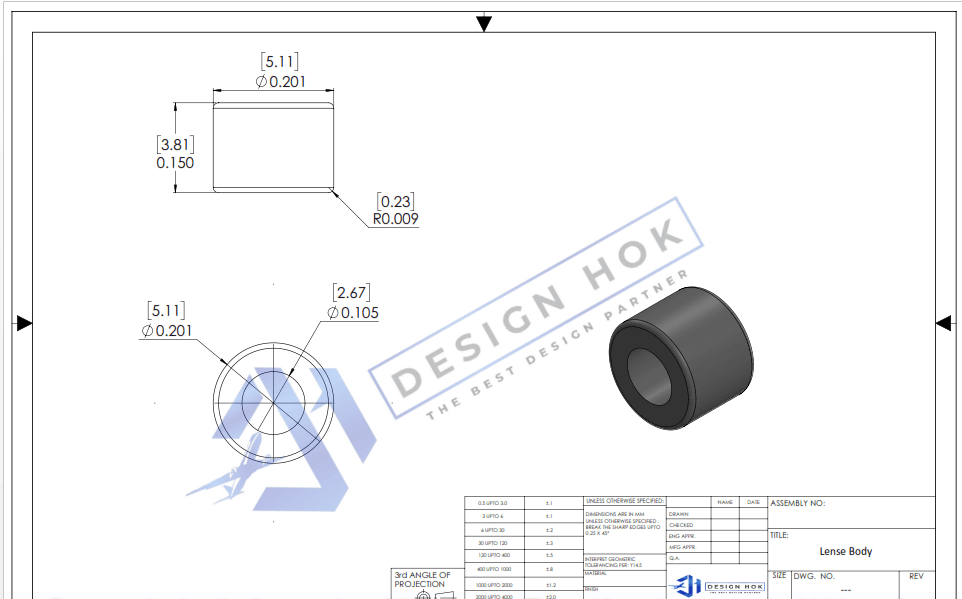
In engineering, accuracy is everything. Even the smallest mistake in measurement can cause major problems. That’s why inspection is very important. It helps engineers check every detail and ensure that each part follows the international standards. This guide will help you learn about these tools and why they matter, and which ones are the most common.

What Are Mechanical Parts Inspection Tools?
These tools are instruments that help in checking the size, shape, and quality of a mechanical part inspection.
It ensures everything matches the design and works the way it should.
Engineers use these tools to measure things like:
- Dimensions
- Angles
- Surface smoothness
- Thread quality
- Roundness and flatness
In easy words, inspection tools make sure every part is made right and accurately with others.
Why Are Inspection Tools Important?
You can’t make parts that are 100 percent perfect. There’s always a chance that a variation will happen during the process of production. Inspection tools help catch those small errors before they turn into big problems. Mechanical parts inspection helps to implement international standards for perfect models.
1. Check Accuracy
These tools ensure that a part matches its drawing or 3D model. That may prevent errors during assembly. So in CAD service mechanical parts inspection make your work easy. You don’t feel hesitation while you are showing your models to international clients.
2. Keep Quality Consistent
They make sure all parts meet the international standards, and there are no weak links or defective batches.
3. Build Reliability
Those tools that are perfect have a better life and perform better, which means fewer failures and more trust in your products. Mechanical parts intspection tools boost the process of creating any model, even its about 2d drafting, 3d rendering, manufacturing.
4. Industry Standards
In fields like aerospace or automotive, the quality rules are strict. Inspection tools help engineers follow these standards every time.
5. Save Time and Cost
You can save a lot of time and cost by spotting the problems early, which means no repetition, less scrap, and smoother production
10 Common Mechanical Parts Inspection Tools
Inspection tools come in all shapes and sizes, from simple hand tools to advanced digital machines.
Here are the most commonly used ones
1. Vernier Caliper
This tool is one of the most basic but important measuring tools. It measures inner and outer dimensions and the depth. It’s most commonly used in general measurement or assemblies.
2. Micrometer
This tool is used to measure very small dimensions, which are up to 0.001mm. It’s perfect for checking tiny parts like pins and shafts.
Types include:
- Outside micrometer
- Inside micrometer
- Depth micrometer
It’s used for precise measurement where high accuracy is needed.
3. Height Gauge
This tool helps in measuring part height or marking reference points on the surface plate. The digital model of this tool can measure up to 0.001 mm accuracy. It’s used for layout work or inspection of component height.
4. Dial Indicator
This tool is used to measure tiny movements or uneven surfaces. It’s great for spotting alignment or other errors. It’s used for checking surface flatness, shaft alignment, or part roundness.
5. CMM
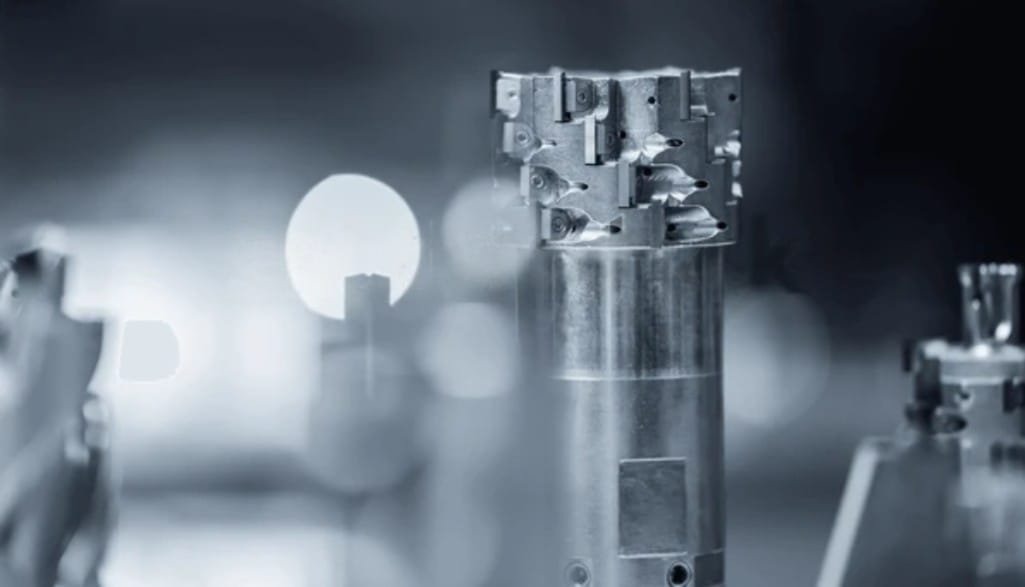
It’s mostly used in the aircraft industry and the automotive industry. It is used in measuring complex 3D shapes with extreme precision. Mechanical parts inspection tools are important in CAD services for perfect models.
How to Pick the Right Inspection Tool
Choosing the right tool depends on your work type and accuracy needs.
Here’s a simple rule
- Use a micrometer instead of a caliper for tight tolerances.
- Soft materials need gentle or non-contact tools.
- Check complex 3D parts with CMMs or laser scanners.
- You can use digital tools for large production batches.
- You can invest in advanced tools only when your project requires them.
Best Practices for Accurate Inspection
If you want perfect results every time. You just have to follow these simple habits:
- Always clean your tools because dust and oil may affect accuracy.
- It maintains the temperature at stable conditions because metal is a good conductor.
- Handle these machines with care because dropping these tools can ruin precision.
- Keep these tools perpendicular to the surface so they can’t be damaged.
- Always keep the instrument in cases to avoid rust or damage for store safety
Modern Trends in Inspection
Mechanical parts inspection is evolving fast. New technology makes quality checks faster and smarter.
Here are a few modern methods you’ll see:
3D Laser Scanning: Captures millions of points for full digital inspection.
Optical Systems: Use cameras and light for non-contact measurement.
AI-Based Software: Automatically detects patterns and defects.
Portable CMMs: They allow real-time inspection right on the production floor.
These tools improve accuracy and speed, which makes inspection easier and more reliable than ever.
Inspection in Product Development
At Design HOK, inspection isn’t something we do at the end; it’s part of our design process from the start.
By using inspection tools early, we:
- You can catch design issues before production
- Always verify prototype dimensions
- Make sure consistent quality in every batch
We combine traditional tools with modern systems to deliver high-quality, precise mechanical parts inspection every time. In mechanical engineering your drawings and models must be accurate according to international standards. You can make it easy with mechanical parts inspection tools.
Final Thoughts
These inspection tools turn good design into a great product by making sure every part is accurate, reliable, and ready for assembly. You can also start with simple tools like a vernier caliper and micrometers. By the period of time, you can gain experience, explore CMMs, digital inspection, and surface testers for advanced projects. If you’re a student, machinist, or professional, mastering these tools increases your skills in engineering and boosts your confidence.





It’s hard to search out knowledgeable folks on this topic, but you sound like you recognize what you’re talking about! Thanks