
Introduction
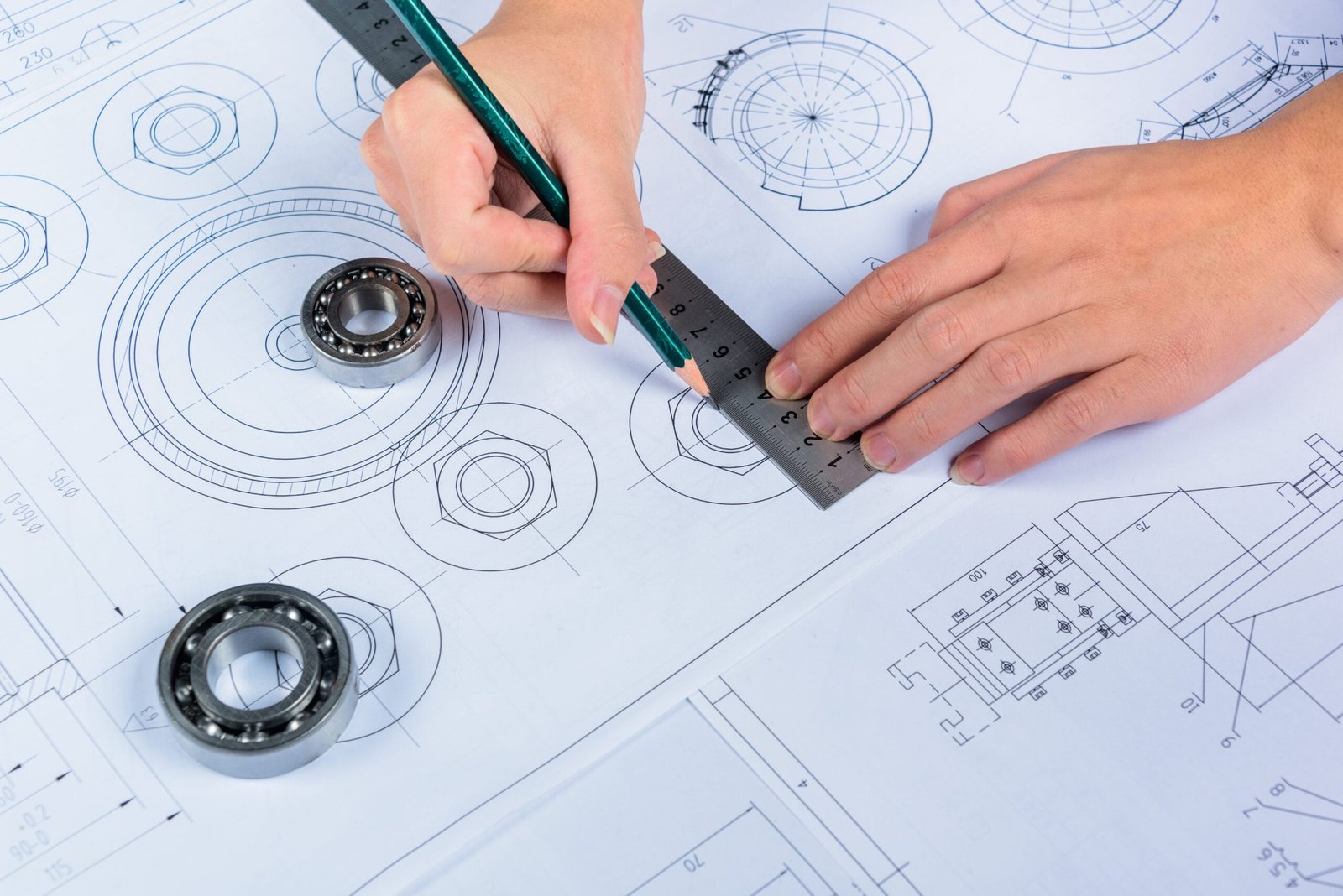
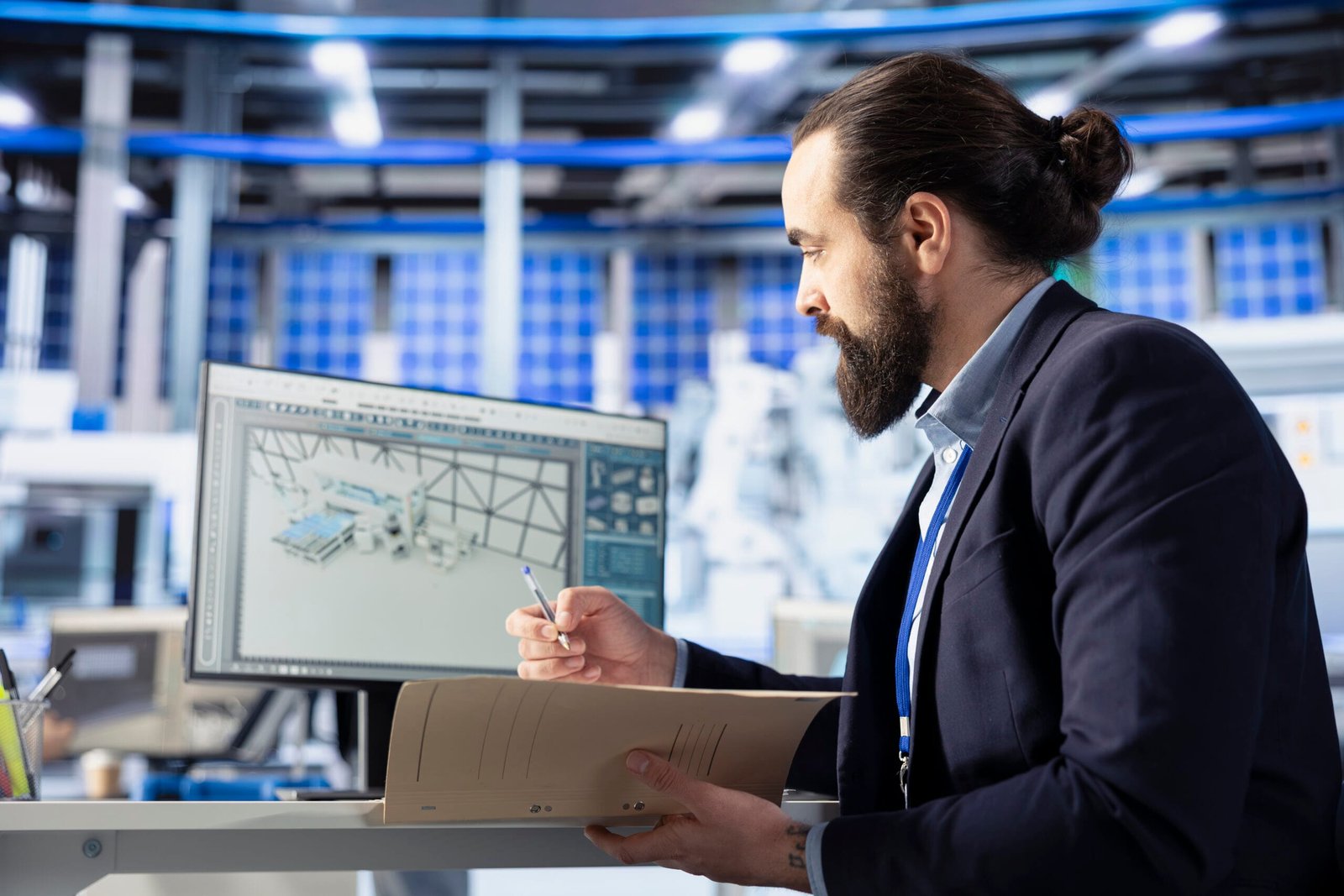
In modern engineering and manufacturing, the development of industrial parts has moved far beyond traditional sketching and standard drafting techniques. Advanced digital tools are widely used to design, analyze, and visualize components with a high level of precision and accuracy. Using these technologies, engineers and designers can create more reliable models. In elaborating communication between designers and clients, digital visualization plays a vital role.
What are Industrial Parts?
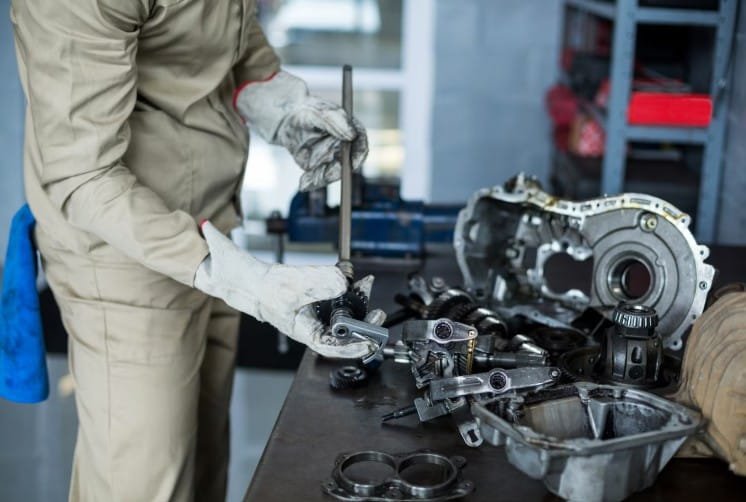
An industrial part is a mechanical or structural piece that is used in machines, systems, or equipment. These parts are made to do certain things and must be very precise and long-lasting. They vary in size and levels of difficulty, depending on how they are used.
Every industrial part must work well-organized to make a system work.
Their design and quality have a direct influence on how reliably industrial operations run.
Importance of Industrial Part Design
Designing industrial parts is important because it makes sure that parts work well together in a system. A well-designed part makes machines run better. It also helps keep models the same during production. At Design HOK, we provide industrial parts services for perfect CAD services.
Effective design helps reduce material waste and lower production costs. It can make production processes more beneficial. By focusing on accuracy and optimization, industries can get better results while still meeting quality standards.
Precision and Accuracy
One of the most important parts of designing industrial parts is getting the measurements correct. Precise measurements make sure that parts fit together perfectly and work without causing any mechanical problems. Even minor mistakes in measurements can cause big problems in complicated systems.
High accuracy also makes machines last longer by cutting down on wear and tear. This means that precision is very important for keeping things running smoothly and reliably in industrial settings.
Cost Optimization
Cost optimization is a major goal in industrial parts design. By creating efficient designs, manufacturers can reduce material usage and production expenses.
Without compromising quality, this leads to more economical manufacturing processes.
Additionally, optimized designs minimize the chances of defects and rework. This not only saves time but also improves overall project efficiency and profitability.
3D Rendering of Industrial Parts
3D rendering is the process of turning digital models into realistic images.
It helps show off industrial parts in a way that looks like how they really look. This makes it easier to see how the design and structure work.
These realistic images are great for marketing and presentations.
They let stakeholders look at the design before it goes into production, which saves time and money.
Industrial Part Design Workflow
To ensure quality and accuracy, the design of industrial parts follows a structured workflow. It begins with understanding the requirements and defining the purpose of the component.
Modeling, optimization, and visualization are included in the next stage. To make the final output accurate, each phase focuses on improving the design.
Applications of Industrial Parts
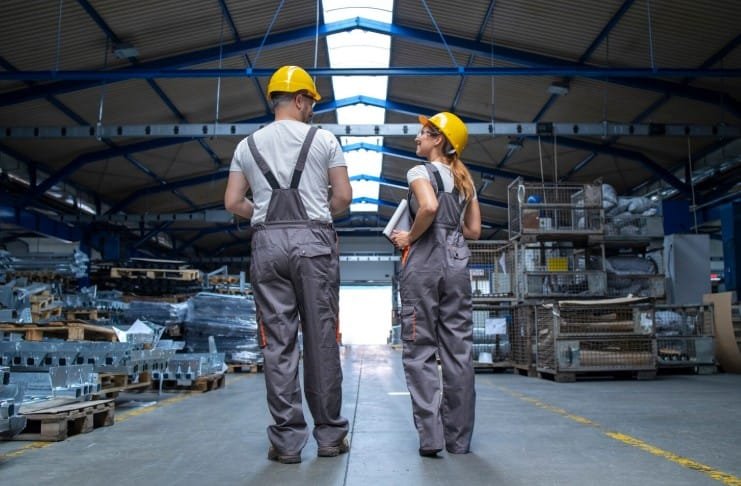
A wide range of industries, including manufacturing, automotive, and engineering, use industrial parts. These components are essential for building machines and systems that perform complex tasks efficiently. Their role is critical in maintaining operational processes.
In addition to functionality, industrial parts are also important in product development and innovation. They help industries create advanced solutions that meet modern technological demands.
Future of Industrial Part Development
New technologies are enhancing the future of industrial parts development. These modernizations enable better analysis and expansion of components. Industrial design will become more advanced as technology continues to evolve. This will lead to improved product quality and more innovative engineering solutions.
Conclusion
The design, accuracy, and performance of industry parts directly affect the performance of machinery and equipment. Industries can accomplish superior results with the help of CAD and 3D rendering.
By adopting modern design techniques, organizations can improve efficiency, reduce costs, and enhance product presentation.
This conclusively leads to faster production times and higher quality outputs. This makes industry parts development a key factor in technological progress.
FAQs
Q1: Why is CAD important in industrial part design?
CAD is important in industry parts design because it creates accurate models, allows straightforward modifications, and enables simulation before manufacturing begins.
Q2: What is the purpose of 3D rendering?
3D rendering creates realistic visuals of industry parts, making it accessible for engineers, designers, and clients to present, understand, and evaluate the design effectively.
Q3: Where are industrial parts used?
Industry parts are used in manufacturing, automotive, engineering, and many other industrial sectors.
Q4: Why is material selection important for industrial parts?
Material selection plays an important role in determining the strength, endurance, and performance of industry parts.
Choosing the right material ensures that the component can tolerate environmental conditions. It also impacts the cost and lifespan of the product.
Q5: What is the difference between CAD modeling and 3D rendering?
CAD modeling is the cynosure of creating meticulous digital designs with definite measurements and technical details. While 3D rendering converts these models into realistic images. Both processes are essential but serve different purposes in development.
Q6: How do industrial parts affect overall system performance?
Industy parts directly affect the efficiency and reliability of a system. Corruptly designed components can lead to mechanical failures. High-quality parts ensure eternal stability.
Q7: Can industrial parts be tested before manufacturing?
Yes, CAD software has simulation tools that can be used to test industry parts. These tests check how well a product works in different situations and help find possible problems. This reduces the chance of failure and makes sure that the design is accurate before it goes into production.