
What Is Rendering in 3D Modeling?
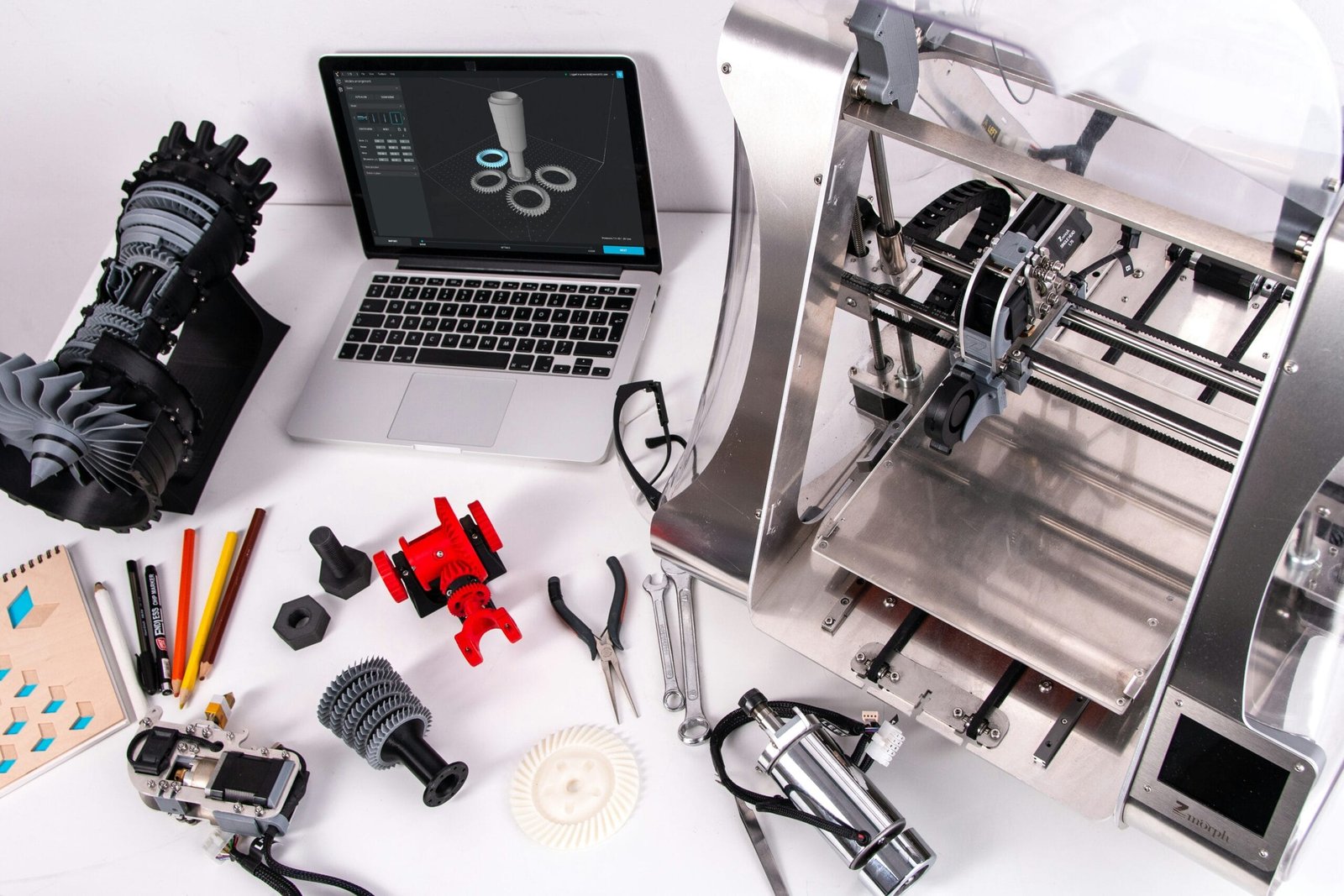
Our advance 3d modeling helps businesses to rearrange, and it’s the process of converting a digital 3D model into a 2D animation. In this final design process, a flat 2D model is converted into an animation by using different textures, shadows, and lighting. In easy words, rendering turns your design into a real-time view. This time of VR is used to represent products, animations, or advertisements. For example, an architect or designer creates a 3D model of a house and renders a house design to see how it looks after construction. It helps the client to see their house in virtual reality and make improvements early.
Advance 3D modeling is revolutionizing how industries visualize their projects.

Why 3D Rendering Is Important
1. Realistic Understanding
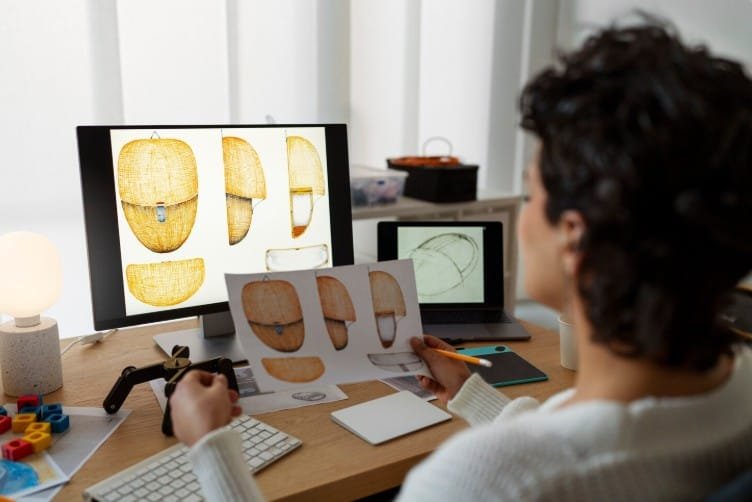
Designers use 3D rendering to show the outcome to the clients before any real work begins. It gives a real-time preview of used material, colors, and proportions. This will help you to spot the flaws early and make better decisions.
2. Marketing and Presentation
A 3D image or video makes your project look more professional. Now, if you are launching a new product or presenting any concept, Advance 3D modeling and renderings help you to create a strong and engaging first impression. It’s great for websites, social media, and digital ads.
3. Inspection and Testing
With advance 3D modeling, designers can ensure their creations are both functional and aesthetically pleasing. In the realm of architecture, advance 3D modeling offers unparalleled insight into the final product. In 2025, modern rendering softwares allows you to test the material or environmental effect on your design. For example engineer tests how light is going to reflect with metal or how shadows fall in a building’s interior. It helps to improve the product.
4. Client Engagement
Advance 3D modeling techniques enable artists to produce stunning visual effects. Utilizing advance 3D modeling, engineers can simulate real-world conditions effortlessly. Advance 3D modeling is an essential tool in product design and development. It helps designer to manage their client easily because high-quality renderings are easy to understand and connect with your design. When a client can see a life-saving version of what they’re investing in, then a 3D presentation of their house gives them more confidence. This makes the decision-making and approval process faster and smoother. Many industries rely on advance 3D modeling to streamline their design processes.
Types of Rendering in Advance 3D Modeling
Advance 3D modeling allows for greater creativity and flexibility in design. Rendering also has more than one type now; it depends on your requirement and budget. Architects often use advance 3D modeling to present concepts to clients more effectively.
Photorealistic Rendering
The foundation of many visual projects starts with advance 3D modeling. Photorealistic rendering focuses on generating images that look like real photographs. It’s mostly used in automotive design and product visualization. Every texture and shadow is adjusted so the model can look realistic.
Real-Time Rendering
In real-time rendering, the images are rendered instantly. It‘s used for gaming purposes or most of the time in virtual reality (VR) applications, where users can move around in open-world games and see the design from any angle.
Non-Photorealistic Rendering
NPR is used to create artistic or stylized visuals. Now, not every client has the same requirement; we all know that, so NPR rendering offers cartoons, sketches, and hand-drawn illustrations. It’s used in animation and creative design.
Cloud Rendering
Cloud rendering offers high-level servers because rendering needs a lot of power and time. The high-performance online servers are used to process the visuals faster. It’s useful for large and complex projects.
The Rendering Process Workflow
The workflow of rendering is not simple; it needs multiple steps, and each step has its own contribution to the final results of animation or image. At Design Hok, we handle your project professionally and ensure every workflow.
1. Advance 3D Modeling
From concept to completion, advance 3D modeling is integral to the design workflow. It is the base structure of the rendering process to start building a 3D model using CAD or 3D software. Effective collaboration is made possible through advance 3D modeling techniques.
2. Materials and Texture
Modern rendering tools also offer different types of textures and materials. To give the model a realistic look. For example, every surface is adjusted to match how it would appear in real life, such as metals being made shiny.
3. Visualization Setup
This step makes the model visually better. Different types of lighting define the mood and appearance of the model, such as natural sunlight, indoor lighting, or studio light are used to create shadows and reflections.
4. Camera Framing
The setting of the camera decides how the final image will be seen. Designers choose the best camera angle for more focus
5. Rendering Engine
We use rendering engines for the visualization of light, camera, and material data in detail. The bigger or complex the project is, the longer this step takes.
Tools Used for 3D Rendering
At Design Hok, we use SolidWorks Visualize. It’s specialized for delivering high-quality and accurate results. These programs allow batch rendering, environmental control, and plugin support.
Challenges in 3D Rendering
Although rendering is powerful, it also comes with a few challenges: We knew that rendering is powerful, but it also comes with challenges
- Long Processing Time: The High-quality renders may take hours or even days to process a 3D model.
- Hardware Demands: Rendering requires strong GPUs and large memory.
- Over-Realism: Sometimes visuals look too perfect, which leads to unrealistic expectations.
- Large File Sizes: Rendered images and animations can be heavy and hard to share.
Rendering vs. Animation
Both rendering and animation use similar software, but they are not the same.
- Rendering creates a single image or a few static shots.
- To play images together, we rendered images and played them together to create motion.
For example, A product that can’t move shows one perfect angle, while an animated product demo rotates or opens the product to show different functions.
How We Can Choose the Right Rendering Partner
Choosing the right form for your rendering projects can make a big difference in how your project looks in the end:
Here are a few simple points before hiring
Using advance 3D modeling can significantly enhance user experience in digital products.
Ultimately, advance 3D modeling is a powerful tool for any design-oriented project.
Utilizing advance 3D modeling can boost your project’s potential to succeed.
- Always check the portfolio for quality and style.
- Check the history of past clients to confirm the turnaround time for delivery.
- Make sure they use Modern software for your file formats.
At DesignHok, we keep our clients involved and updated throughout the process, ensuring that the final render matches your vision perfectly.
Conclusion: Rendering with Purpose
3D rendering is not just about creating beautiful visuals. This tool helps designers and engineers bring their ideas to life. It improves design understanding, boosts your marketing, and supports smarter and creative decisions.
Now, if you’re a designer, mechanical engineer, or entrepreneur who is thinking of launching your brand, 3D rendering helps you. By telling the story in virtual reality or showing the product in a 3D view.
At design hok, we render with purpose. Our mission is to turn your idea into reality successfully
FAQs
1. What is 3D rendering in modeling?
It’s the process of turning a 3D digital model into a 2D image or animation using rendering software.
2. Why is rendering important in design?
It helps you see the final version of your design before production and improves marketing, communication, and testing.
3. Which rendering software is best?
Popular tools include Blender, V-Ray, KeyShot, Lumion, and SolidWorks Visualize, depending on your needs.
4. How long does rendering take?
It can take from a few seconds for simple designs to several hours or days for high-resolution or animated scenes.
5. Can I render on a laptop?
Yes, you can perform basic rendering on a mid-range laptop, but for high-quality results, a powerful GPU or cloud rendering is recommended.


I like what you guys are up also. Such smart work and reporting! Keep up the excellent works guys I have incorporated you guys to my blogroll. I think it will improve the value of my website 🙂
I’m not sure why but this website is loading incredibly slow for me. Is anyone else having this problem or is it a problem on my end? I’ll check back later and see if the problem still exists.