

Introduction
Aerospace engineers are the people who make flying and space travel possible for humans. They design, build, and test everything from airplanes and rockets to satellites. Their work turns complex ideas into a real machine that can fly safely. You may think aerospace is the study of creating designs and manufacturing aircraft, but it’s not like this; it also includes how air moves. Testing new material and ensuring safety in different conditions.
In this article, we’ll learn what engineers do, what skills they use, and how their work shapes the future.
1. Conceptual Design
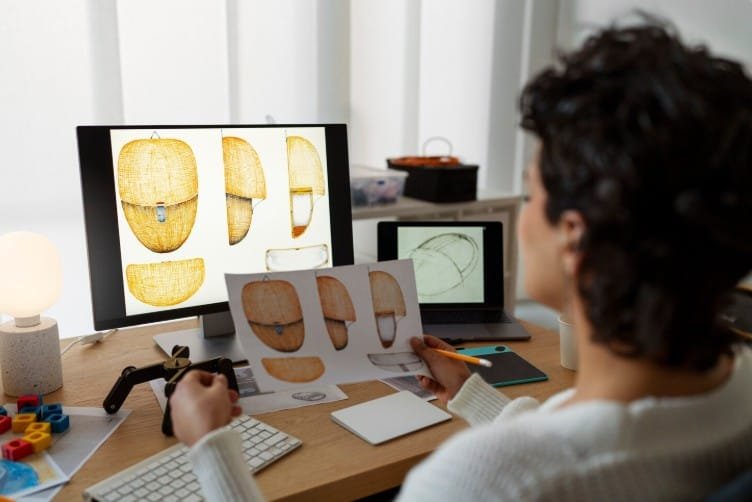
In this field, every project starts with innovation. The first step is to turn that idea into a design that can actually work.
Engineers ask questions like:
- What will this aircraft or spacecraft do?
- How much weight can I carry?
- What fuel and speed will it need?
They make sketches, then create 3D models, and do mathematical calculations to check if the design is possible or not.
2. Understanding Airflow and Energy
Thermodynamics is about how heat and energy behave. Aerospace engineers use it to make engines that perform well at different temperatures and pressures.
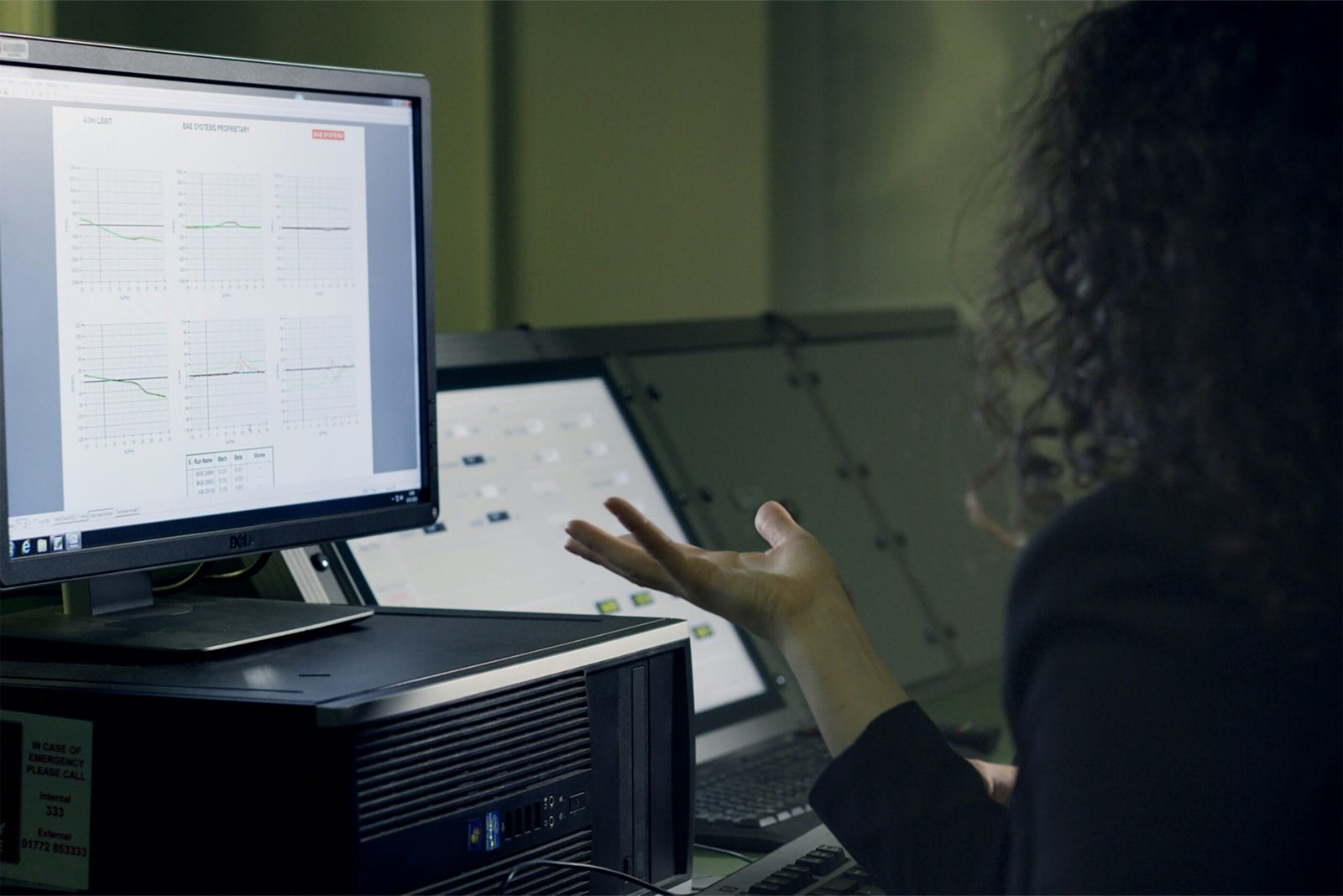
Together, these two areas help make flying machines faster, safer, and more fuel-efficient. Do you ever think about how air flows around the surface of aircraft? It’s because of aerodynamics. They make sure that rockets and planes move smoothly without causing any trouble. For this purpose, they use different tools to test the beta version of how air moves around the design.
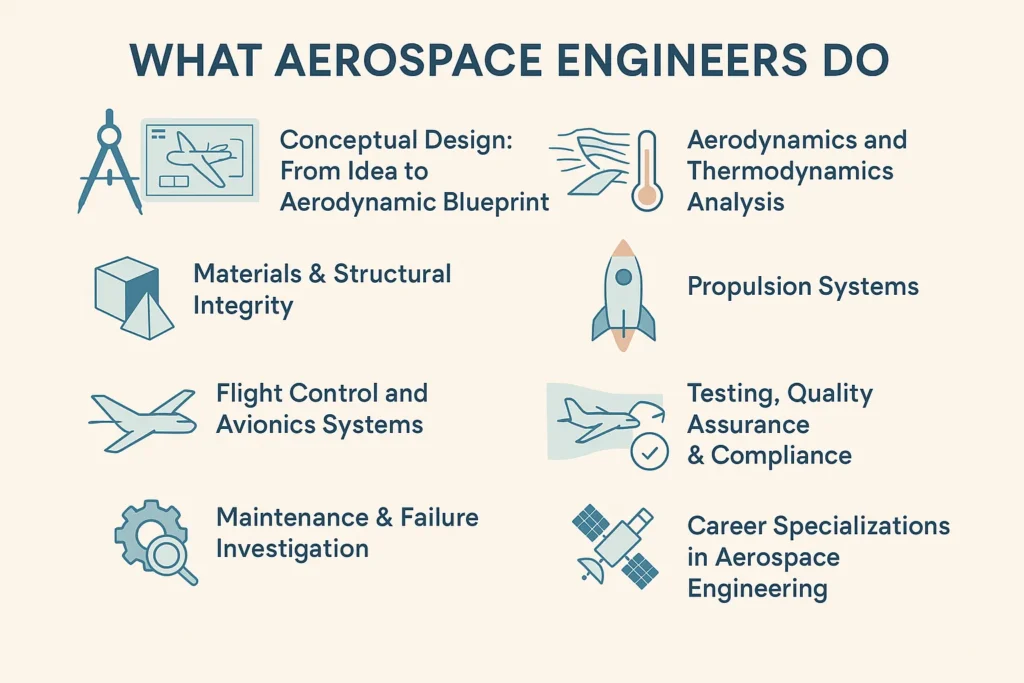
Materials and Structural Integrity
Airplanes and rockets face a huge amount of stress, heat, and vibration. They must have to be strong enough to survive an extreme-level natural disaster, but also have to be lightweight so they can fly efficiently. Aerospace engineers carefully choose materials like aluminum, titanium, and carbon fiber. They test how these materials handle pressure, heat, and long-term wear.
4. Propulsion Systems: The Power Behind Flight
Propulsion is the science which means movement. In aerospace, it’s about engines, rockets, or thrusters any anything that produces thrust to move the vehicle. Engineers at Design HOK for airplanes, rockets, and even satellites. They study fuel efficiency, emissions, and power output. New technologies, like electric and hybrid propulsion engineering, are being developed to make flight more eco-friendly and cost-effective.
5. Flight Control
Flying machines now use a modern control system to fly smoothly. This advanced system includes sensors, computers, and an autopilot program. Engineers design these systems so efficiently that the aircraft can respond correctly to the pilot, and if needed, it can fly on their own. Such as drones or spacecraft, they use autopilot mode that controls everything, even responds to hurdles and balances the machine without a pilot. These systems make flying more reliable and safe for everyone.
6. Testing and Quality Assurance
Once the designs of a plane or rocket are ready, the testing phase starts. At this stage, the engineer makes sure everything because it’s a phase where imagination is converted into reality.
Here are some common types of testing which is done by the inspection office after design.
- Wind test – It’s the test where engineers check how the airflow around the design
- Structural testing – In this test, engineers check the strength of aircraft.
- Thermal testing – In thermal testing, they check the heart and temperature limits.
- Flight testing – to evaluate how the aircraft performs in the sky.
All these tests help engineers fix problems early, improve safety, and meet international standards before production.
7. Maintenance
After the launch of an aircraft or machine, aerospace engineers still have work to do. They maintain the system after a specific time period to ensure the safety of everyone, and if something happens, then this process is called failure of analysis in post-flight. They then suggest design improvements, stronger materials, or a new procedure to prevent future issues. This post-flight analysis is the key part of the job; it also keeps aircraft safe and reliable.
8. Different Specializations in Aerospace Engineering
Aerospace engineers offer a variety of areas to specialize in. It totally depends on the interest of the engineer. Here are a few most common fields:
- Aerodynamics & CFD.
- Propulsion Systems
- Structural Engineering
- Guidance, Navigation & Control (GNC)
- Avionics & Embedded Systems
- Satellite Engineering
- Unmanned Aerial Vehicles (UAVs)
These roles play an important part in building the future of aviation.
9. Challenges in the Aerospace Engineers Industry
In this industry, engineers also face some toughest challenges.
Here are a few simple examples:
- Tiny error: In this field, even the smallest errors can cause serious problems.
- Strict rules: All components must meet strict international rules.
- Expensive testing: Flight tests need a large budget.
- Time-taking process: It can take years or even decades to bring a new aircraft or spacecraft to life.
Engineers enjoy the reward of technology that changes the world, despite all these challenges.
10. Future of Aerospace Engineering
The aerospace industry is evolving rapidly. Emerging technologies are opening new frontiers in innovation and sustainability.
Key future trends include:
- Green aviation
- Autonomous flight
- Space exploration
- Artificial intelligence
In this modern world, the aerospace industry is moving faster than ever. Engineers are now working on smarter and more advanced designs.
Conclusion
It’s one of the most exciting and major careers in technology. At Design HOK, we offer a machine in which people can explore the skies and go beyond the universe. They use almost all major fields altogether, such as science and mathematics, to solve complex problems. In simple terms, what aerospace engineers do is more than engineering; they don’t just build machines that can fly, but they also design the future of technology and advancement.


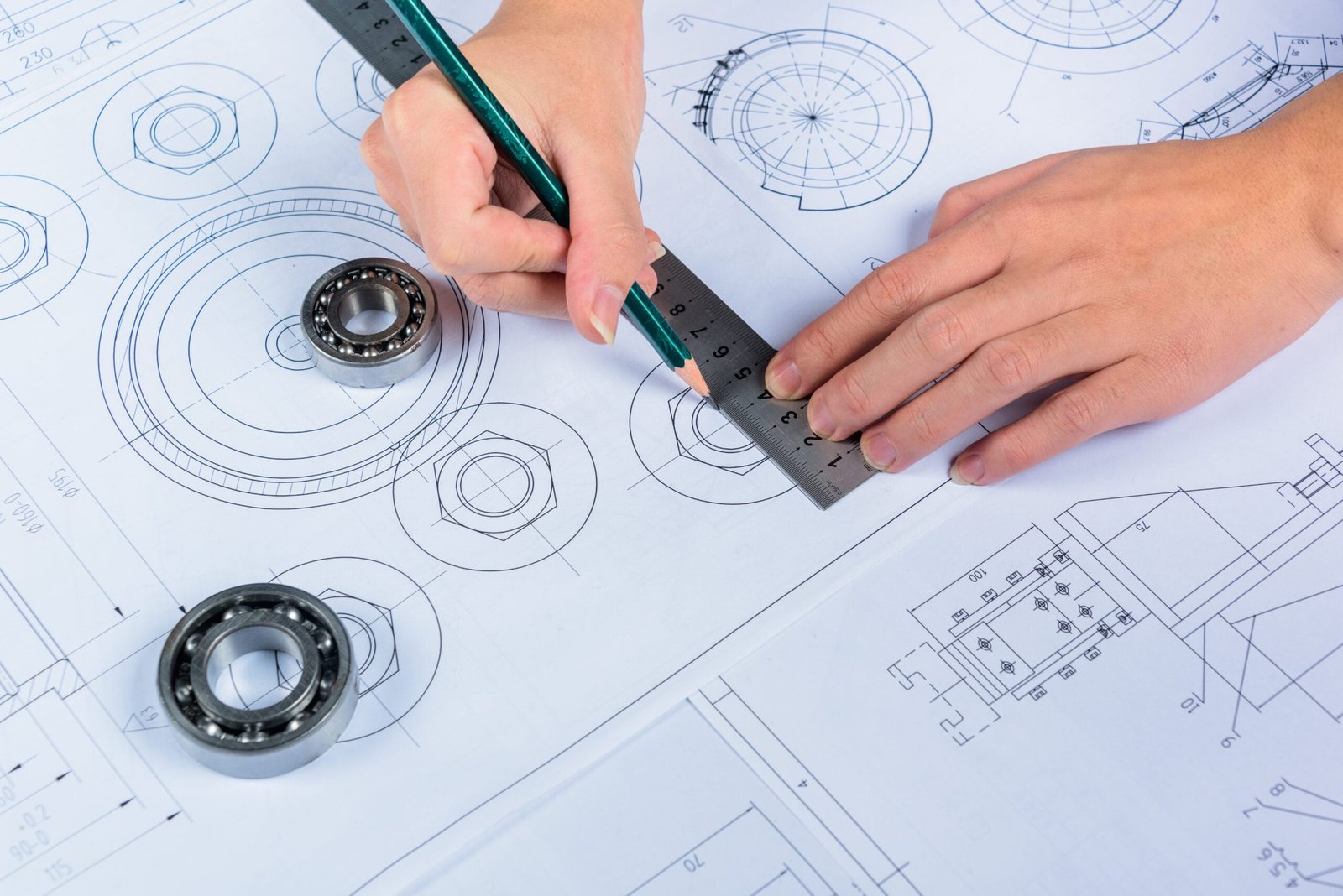
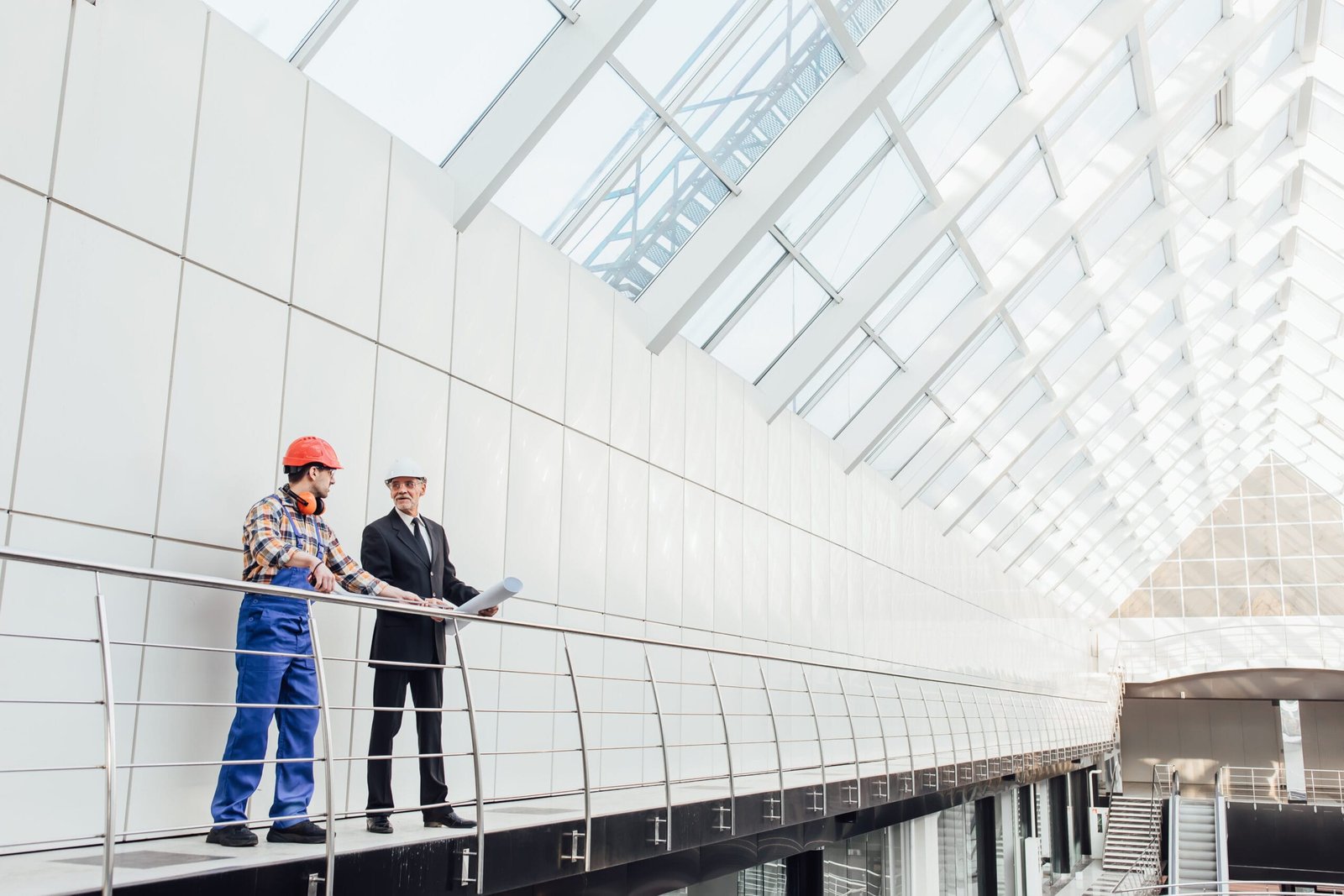

[…] Aerospace engineering means making things related to aerospace vehicles. For example, planes, helicopters, rockets, drones, etc. Their role involves studying the movement of machines. They also learn about the strength and safety of their designs. This is the reason why they are needed in a number of fields. The following are the places that answer the basic question that where do aerospace engineers work. […]
I’m extremely inspired with your writing skills and also with the format for your weblog. Is this a paid subject or did you customize it your self? Either way keep up the excellent quality writing, it is rare to look a nice blog like this one these days..
Very nice post. I just stumbled upon your blog and wished to say that I have truly enjoyed surfing around your blog posts. After all I’ll be subscribing to your feed and I hope you write again soon!