
Introduction to 3D Rendering Design
3D Rendering Designers are the core part of the CAD service. In the modern digital design landscape, visual clarity & accuracy are no longer optional, it’s essentials. Businesses today operate in an environment where design decision made quickly condifently. Traditional and 2d drawings and static sketches often fall short in complex shapes and product functionality. Here’s 3d design plays a role by transforming ideas into realistic representations. 3d rendering allows designers to convert digital models into lifelike images. These visuals make it easier for engineers. designers and stakeholders to understand a product before manufacturing. Another reason for the importance of 3d rendering is its ability to reduce risk.
Growing Demand for Professional 3D Design Rendering Services
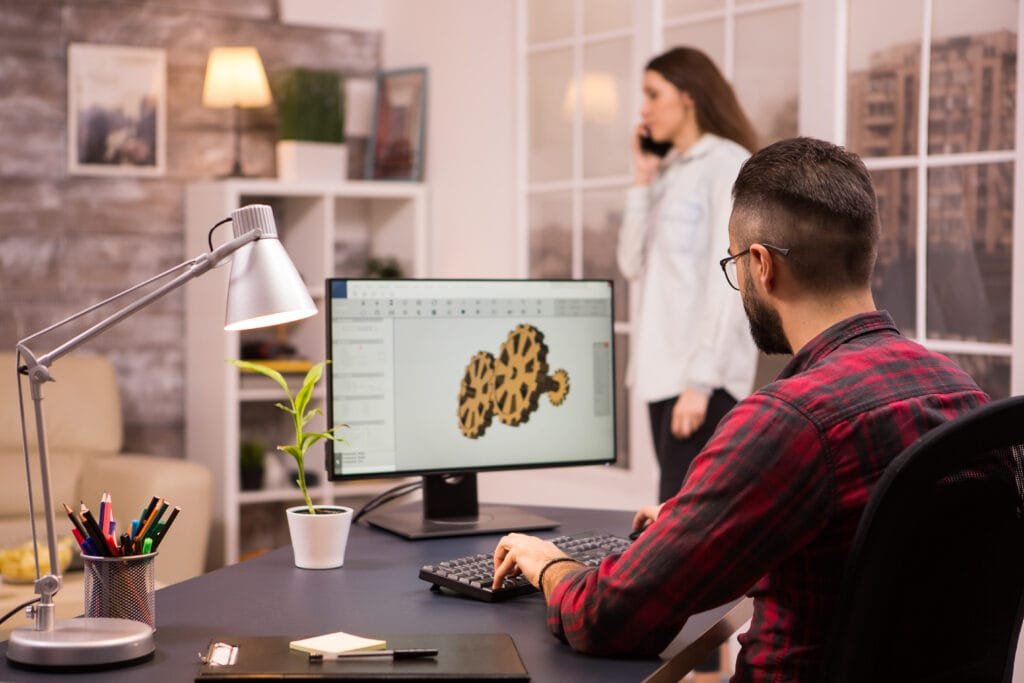
As industries continue to adopt digital-first processes, Professional 3d design rendering service has increased. Companies rely on quality rendering not only for design but also for presentations, investor pitches, and marketing campaigns. In product-focused industries, 3d rendering design enables firms to showcase products even before physical prototypes exist. This boosts time to market and allows early customer feedback.
Who Are 3D Rendering Designers?
Definition
3d rendering designers are professionals who focus on creating realistic visuals from three-dimensional models. Their work involves digital models by using quality materials, textures, lighting, shadows, and environments to produce images or animations. These visuals help to simulate a product or design appearance in real-world conditions.
Responsibilities
Creating Realistic Visual Outputs
Creating 3d renderings is the primary responsibility of rendering engineers to produce high-quality visuals that closely resemble real products. That helps to reduce transparency, surface, details, and light balance, which are crucial in 3d product design rendering.
Interpreting Design and Engineering Data
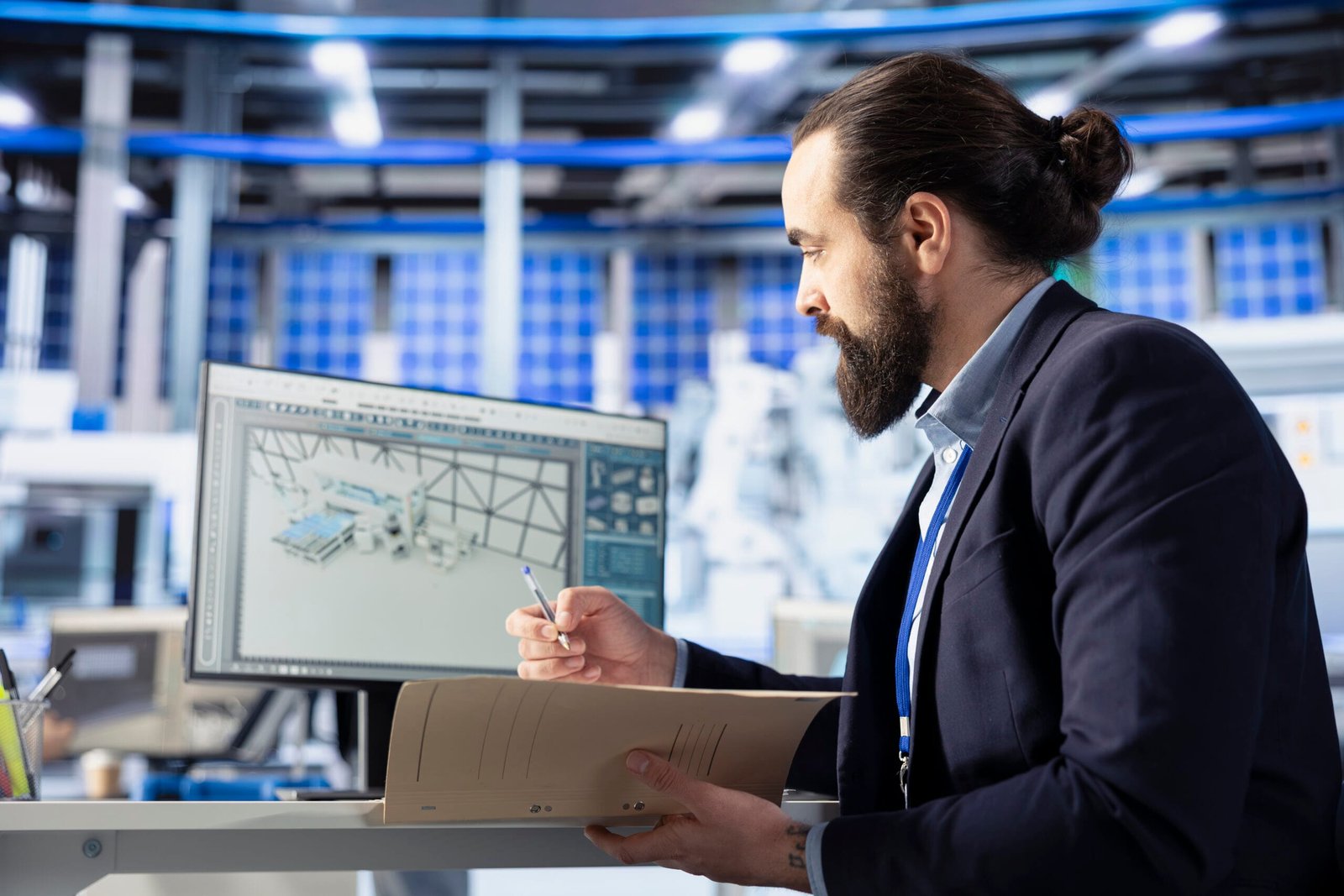
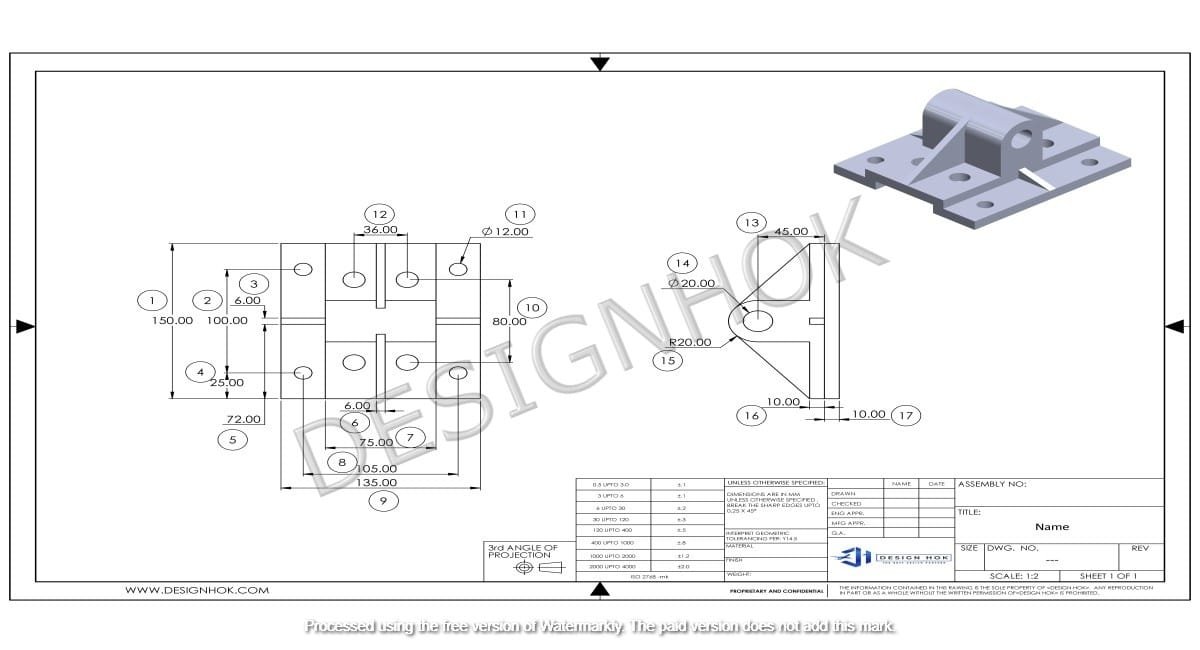
3D rendering designers work closely with CAD files, technical drawings, and detailed design specifications provided by engineers or product designers. 3D rendering designers carefully analyze and interpret this information to create accurate and visually compelling representations.
Supporting Design, Marketing, and Manufacturing Teams
While creating 3D rendering models, we emphasize high-quality, realistic models. Our designer carefully analyzes the dimensions and interprets the differences to create accurate and visually compelling designs.
Difference Between 3D Designers and 3D Rendering Designers
Focus of a General 3D Designer
Our designers focus on building the geometry and structure of a model. Which include defining shapes, dimensions, assemblies, and overall form. Design HOK professional CAD services for your product visualization.
Specialization of a 3D Rendering Designer
Our specialized 3d rendering experts transform models into realistic visuals. They focus on lighting, materials, texture, and environmental effects. We ensure that visuals are suitable for decision-making and external presentation.
Role of 3D Rendering Designers in the Design and Development Process
Concept Development Stage
During early design stages, we analyze the concept of the development of 3d rendering model. We check the clarity of dimensions, model simulation, and tolerance, and create it according to clients requirement.
Design Validation and Review
High-quality renderings allow stakeholders to review design dimensions, size, usability, and feasibility. To ensure accurate alignment and reduce misunderstandings, we ensure everything before production begins.
Pre-Manufacturing and Marketing Support
Before the manufacturing of a model, 3d rendering services help finalize the product’s appearance. At the same time, marketing teams in any field can use these visuals for catalogues, websites, and promotional campaigns.
Core Skills Required for 3D Rendering Designers
3D Modeling and Technical Accuracy
A strong understanding of 3D modeling principles is essential. At Design HOK, we ensure that 3d rendering product design visuals reflect real-world dimensions and proportions.
Material and Texture Knowledge
Our experts have a good understanding of international standards, which enables them to design realistic textures and produce believable visuals in 3d product design rendering.
Lighting and Visualization Expertise
Lighting defines mood, depth, and realism. Skilled lighting setup is a key component of professional 3D rendering design.
Tools Used in 3D Design Rendering Services
Modeling and CAD Software
In CAD modeling, these tools are used to build and refine 3D models. Many softwares are used in 3D design rendering services, e.g, SolidWorks, CATIA, Fusion 360, and more.
Rendering Engines
This process involves complex calculations to generate realistic images with accurate shadows, reflections, and global illumination.
Post-Processing Tools
The final output can be adjusted by colors, contrast, and sharpness, making it more effective for marketing-focused product design.
Applications of 3D Rendering in Product Design
Concept Visualization
In 3D product design, rendering helps teams to visualize the product for better ideation.
Design Review and Validation
Rendering helps engineering teams and the design team to validate fit, form, and function.
Marketing and Sales
In CAD solutions, 3D design rendering services are widely used in brochures and digital platforms.
Benefits of Professional 3D Design Rendering Services
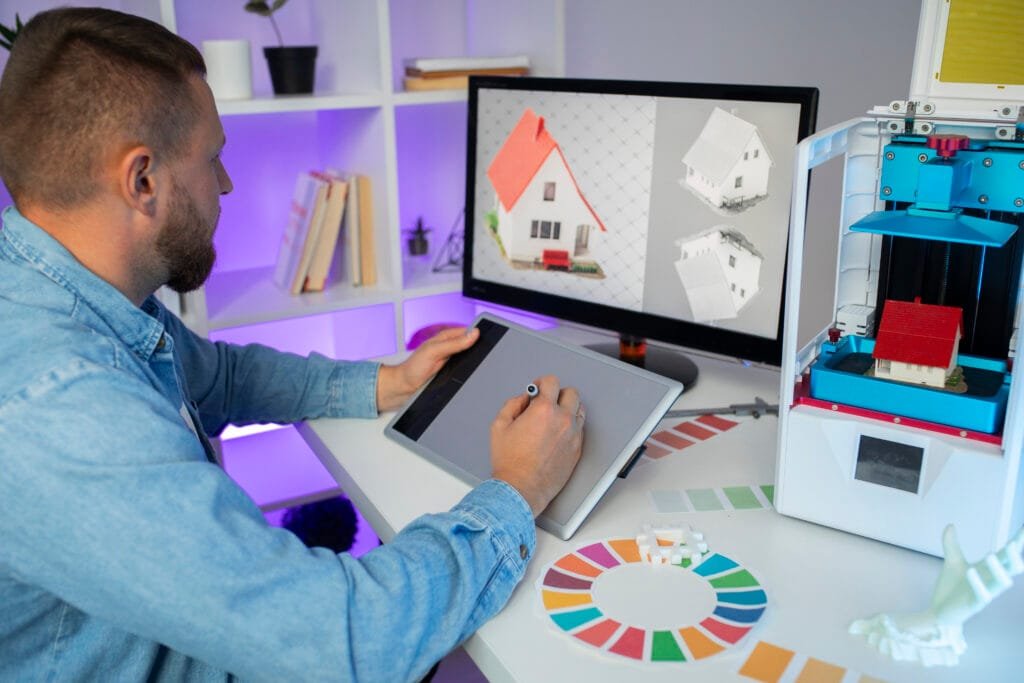
Improved Communication
3D visuals eliminate ambiguity and improve collaboration across teams.
Reduced Costs and Faster Approvals
Early detection of issues reduces rework and accelerates approvals.
Enhanced Product Presentation
High-quality 3D rendering design improves brand perception and customer trust.
Future Trends in 3D Rendering Design
Real-Time Rendering
Real-time updates enable faster design iterations and instant feedback.
Virtual and Augmented Reality Integration
Immersive technologies are expanding the impact of 3D design rendering services.
Increasing Industry Adoption
More industries are adopting 3D rendering product design as a standard practice.
Frequently Asked Questions (FAQs)
1. What is 3D rendering design?
3D rendering design is the process of creating realistic images from 3D models using lighting, textures, and materials.
2. What do 3D rendering designers do?
They produce realistic visual representations used for design validation, manufacturing support, and marketing.
3. How are 3D design rendering services used in product development?
They help visualize concepts, test designs, and present products before manufacturing.
4. What is a 3D product design rendering?
It focuses on creating realistic visuals that show how a product will look and feel in real life.
5. Why is 3D rendering product design important?
It reduces errors, improves communication, and enhances decision-making.
6. Which industries use 3D design rendering services?
Manufacturing, engineering, architecture, real estate, and consumer products.
7. Can 3D rendering be used before manufacturing?
Yes, 3D rendering design is most valuable before production begins.